What is AKITA INU (AKITA)?
AKITA INU (token ticker AKITA) is a memecoin launched in 2021 on the Ethereum blockchain, inspired by the Shiba Inu dog breed. A notable event in the project's history was when half of its initial total supply was sent to Ethereum co-founder Vitalik Buterin, who subsequently donated these tokens to charity. The original developers have since exited the project, which is now maintained and planned for future development by a community-driven decentralized autonomous organization (DAO). The project team previously proposed a roadmap to expand its ecosystem and increase applications in areas such as gaming and DeFi.
Current Trading Market and Liquidity Status
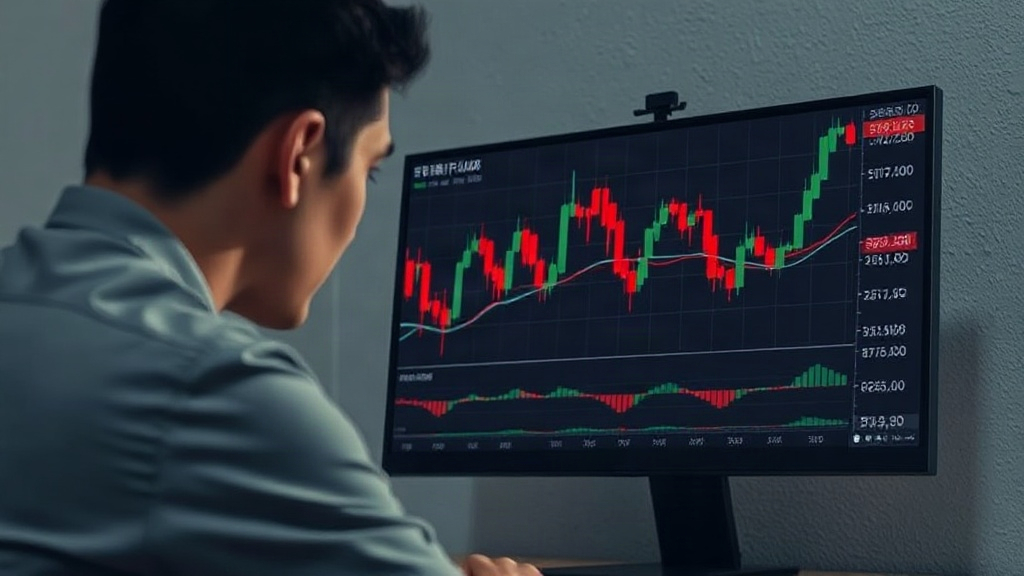
According to recent data, AKITA's market capitalization has fallen to the hundreds of thousands of dollars, with its price dropping over 99% from its all-time high of $0.00003433 in May 2021. Its 24-hour trading volume is fragmented and generally low, indicating relatively thin liquidity.
Major trading activities occur through the following channels:
- Centralized Exchanges (CEX): Platforms such as MEXC, KuCoin, Gate.io, and Poloniex offer AKITA/USDT and other trading pairs. Among these, trading pairs on platforms like KuCoin contribute a relatively significant portion of spot trading volume.
- Decentralized Exchanges (DEX): On the Ethereum network, users can connect Web3 Wallets like MetaMask to Uniswap V2 to swap AKITA with ETH or stablecoins. Additionally, the project has been deployed on the Avalanche C-Chain, and trading pairs may exist on other compatible DEXs.
It is worth noting that while platforms like Kraken may show relevant data, actual trading volume is extremely low. Investors should check the latest price and liquidity data on market platforms like Svmuu before trading.
Key Risks and Considerations

As a community-operated micro-cap memecoin, AKITA carries extremely high investment risks:
- High Speculation and Volatility: Its price is entirely driven by market sentiment and speculation, lacking fundamental support, which can lead to significant asset value fluctuations or even total loss.
- Liquidity Risk: Low trading volume means large buy or sell orders may be difficult to execute or could result in significant price slippage.
- Project Uncertainty: Although the community DAO has proposed development plans, there is immense uncertainty regarding their actual implementation and value creation. The project itself does not generate revenue.
Therefore, it is considered a high-risk speculative asset and is not suitable for investors with low-risk tolerance.
How to Trade AKITA?
For traders who decide to participate, the usual steps are as follows:
- Choose a Trading Platform: Based on local regulations, select a compliant centralized exchange mentioned above that still supports AKITA trading, register, and complete identity verification.
- Purchase and Storage: After depositing funds into a CEX, you can trade directly. If using a DEX, you will need to prepare a compatible Web3 Wallet (e.g., MetaMask), deposit ETH for gas fees and trading funds, then connect to a DEX like Uniswap to perform the swap.
- Asset Custody: Withdrawing tokens from a CEX to a personal Wallet allows for self-custody, but private keys must be securely managed.
Regardless of the channel used, it is crucial to be fully aware of the aforementioned risks and only invest funds that you can afford to lose entirely.