Blockchain Market Trend Software: Market Insight and Data Analysis Tools
Blockchain market trend software is an indispensable tool for cryptocurrency investors and traders, providing real-time market data, technical analysis, and in-depth on-chain insights. The functionalities of these software are increasingly rich, ranging from basic candlestick charts to complex derivative data analysis, meeting the needs of diverse users.
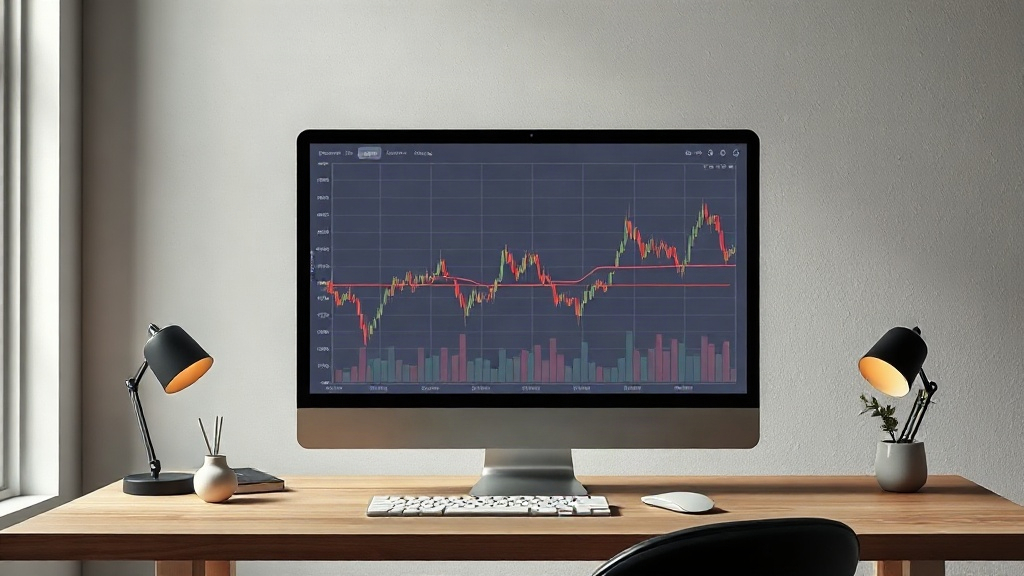
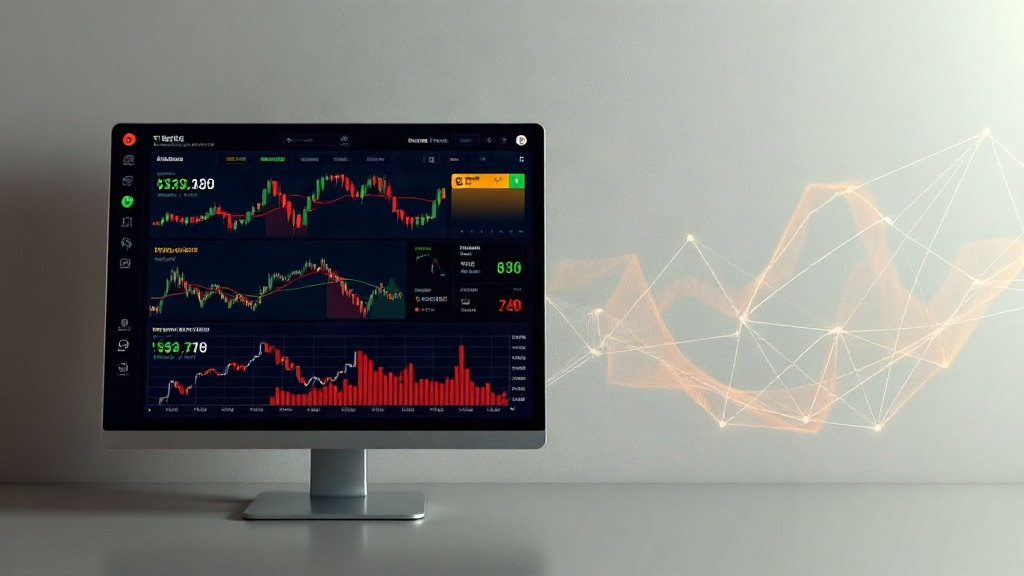
- Real-time Quotes and Technical Analysis: Most market trend software offers real-time prices for cryptocurrencies, candlestick charts, various technical indicator analyses, custom price alerts, and portfolio management features. For instance, TradingView, a professional global charting website, covers not only cryptocurrencies but also provides charting functions for other financial products. Tools like AICoin and MyToken focus on the cryptocurrency sector, offering real-time quotes, data analysis, and news updates.
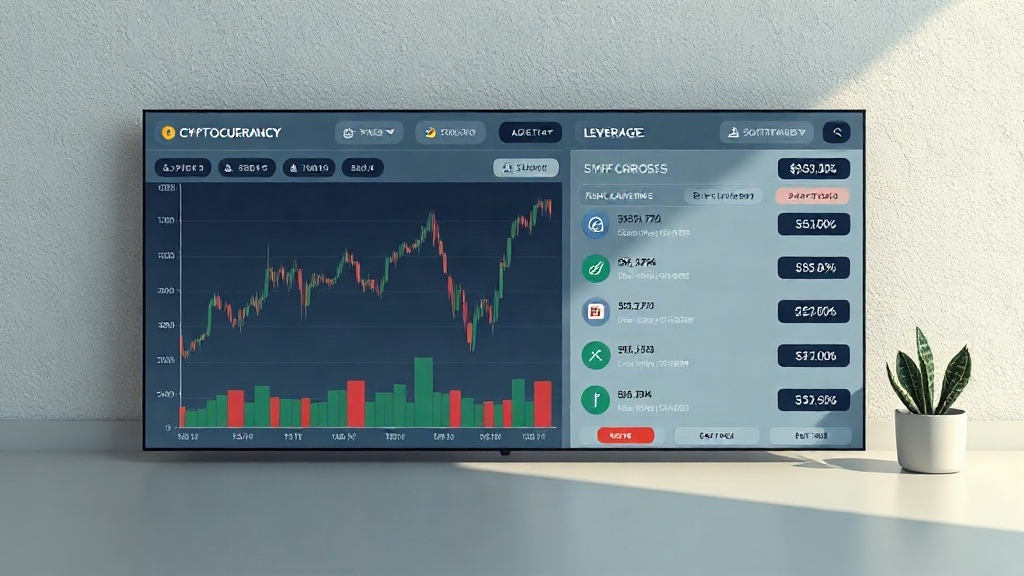
- On-chain Data and Derivatives Analysis: As the market matures, platforms specializing in on-chain data analysis such as Glassnode, CryptoQuant, Dune, and DeFiLlama have become increasingly important. They provide in-depth information like fund flows, position changes, liquidation data, and DeFi Total Value Locked (TVL), helping users understand underlying market dynamics. CoinGlass and CoinAnk, on the other hand, focus on crypto derivatives data, offering advanced features such as price trends, contract trading volume, open interest, funding rates, liquidation data, and liquidation heatmaps, covering major exchanges like Binance and OKX.
- Comprehensive Information and Investment Management: Investing.com's cryptocurrency App provides real-time and historical price data for over 1300 cryptocurrencies, market capitalization, trading volume, news analysis, and portfolio management, offering users a one-stop service.
Global Blockchain Trading Platforms: Centralized and Decentralized
Cryptocurrency trading platforms are mainly divided into two categories: Centralized Exchanges (CEX) and Decentralized Exchanges (DEX). CEXs attract a large number of users with their user-friendly interfaces, high liquidity, and rich trading products, while DEXs emphasize user asset autonomy and transaction transparency. When choosing a trading platform, users typically consider fee structures, security measures, platform reputation, types of services offered, and the number of supported cryptocurrencies.
Many leading trading platforms not only offer spot trading but also expand into diversified products such as contract trading, staking, lending, NFT marketplaces, and Web3 wallets. Security and compliance are core competencies for top exchanges; for example, Kraken is renowned in the industry for its strict KYC processes and high transparency.
Ranking and Features of Major Trading Platforms (Based on 2025-2026 Data)
Below is an overview of major global cryptocurrency trading platforms based on market performance and data from 2025 to 2026:

- 1. Binance: As one of the world's largest cryptocurrency exchanges, Binance continues to hold a leading position in the industry. It supports trading hundreds of cryptocurrencies, offers diverse services like spot and contract trading, and has its own public chain and ecosystem projects. According to data from September 2026, Binance's average daily trading volume exceeded $30 billion. Its fee structure is competitive, with a 0.10% spot trading fee, and a 25% discount for holding BNB tokens. Binance's BNB token ecosystem provides utility through quarterly burning mechanisms. Although its reserve transparency shows high reserve ratios for Bitcoin and Ethereum, audits only covered 31 of its more than 350 assets.
- 2. Coinbase: Founded in 2012, Coinbase is one of the largest cryptocurrency exchanges in the United States, serving over 100 countries. Coinbase was listed on Nasdaq in 2024 and included in the S&P 500 index, further solidifying its leading position in the North American market. The platform attracts a large number of institutional and individual investors with its robust security system and intuitive user experience.
- 3. OKX: Founded in 2017, OKX offers a diverse range of products including crypto-to-crypto trading, margin trading, options/delivery/perpetual contracts, DEX trading, DeFi mining, and lending. The platform boasts tens of millions of users, and according to CoinGecko statistics, its average daily trading volume remains above $15 billion. OKX maintains its leading position in the industry through global expansion and product innovation, having also launched an NFT marketplace and Web3 wallet.
- 4. Kraken: Founded in 2011, Kraken is one of the earliest crypto exchanges in the industry. The platform is known for its strict KYC processes and high transparency, offering multi-currency trading and fiat deposit channels. 2025 data shows Kraken's average daily trading volume surpassed $25 billion, and it provides professional trading depth, real-time charts, and customizable order types. Its Kaiko liquidity score is 83/100.
- 5. Bybit: Bybit excels in the derivatives trading sector, attracting users with its zero-fee strategy. The platform employs advanced technology to ensure the security of user assets. Its Q1 2025 report showed a 140% year-over-year increase in contract trading volume.
- 6. KuCoin: KuCoin entered the crypto market relatively early and has a wide international user base. The platform is known for its community-driven operational model, offering spot, contract, and staking services. According to a Chainalysis report, KuCoin accounts for approximately 6% of global trading volume.
- 7. Gate.io: Founded in 2013, Gate.io is known for supporting a wide range of niche cryptocurrencies and low trading fees. The platform offers over 3800 listed tokens and is famous for having the fastest listing speed in the industry. In May 2025, Gate.io rebranded to "Gate" and launched the Gate.com domain. Its 2026 trading performance shows it ranked third globally in spot trading (monthly $137.2 billion) and second in derivatives market share (monthly $763.2 billion). Its fee structure is highly competitive, with a 0.10% spot fee and 0.02%/0.05% futures fee. Although its history includes security incidents (such as the 2015 Bter.com hack and being accused of concealing a hack in 2018), its current trust score on CoinGecko is 10/10.
Additionally, Bitget, HTX, Bitstamp, Crypto.com, Bitfinex, Gemini, MEXC, and Upbit are also active and influential trading platforms in the global cryptocurrency market.