What is ASIC Mining?
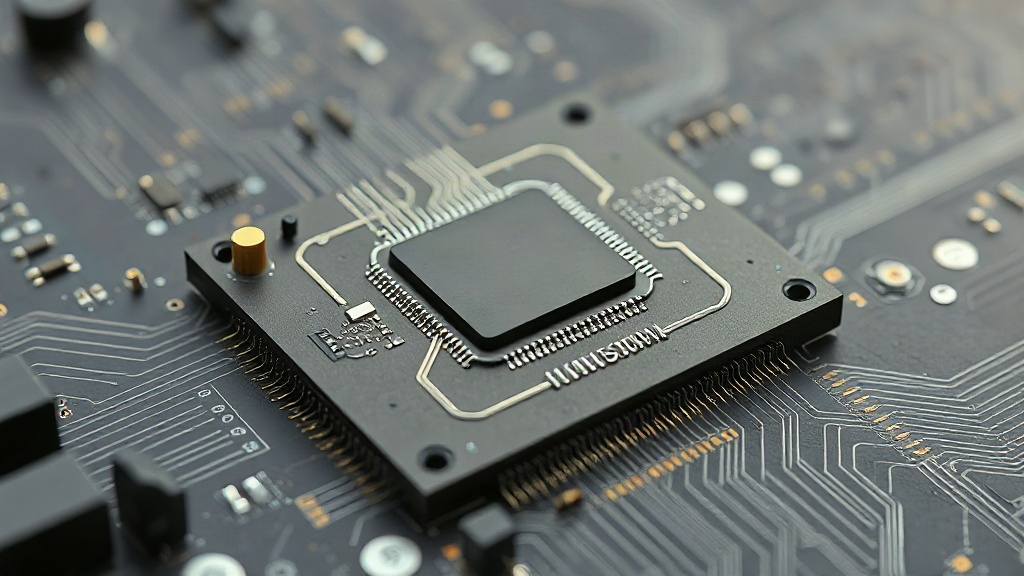
ASIC mining, which stands for "Application-Specific Integrated Circuit mining," refers to the process of using hardware specifically designed to perform particular computational tasks to verify cryptocurrency transactions and mint new coins. Unlike general-purpose processors (such as CPUs) or graphics cards (GPUs) commonly found in personal computers, ASIC chips are hard-coded and optimized for a single or a closely related set of cryptographic hash algorithms (e.g., Bitcoin's SHA-256 algorithm). This specialized design allows ASIC miners to achieve far greater efficiency and speed in performing mining calculations than general-purpose hardware.
How ASIC Mining Works
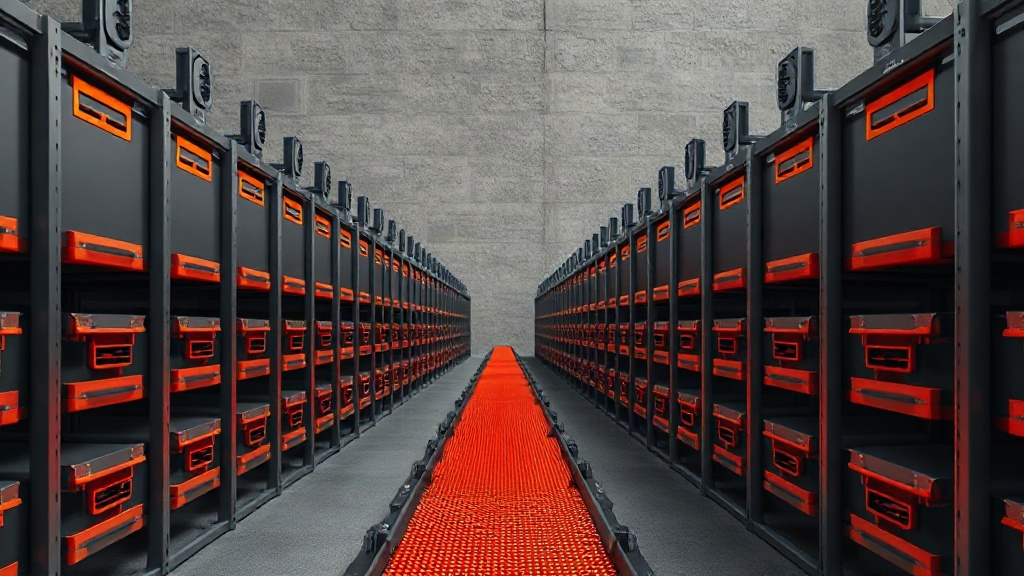
ASIC miners play a central role in Proof-of-Work (PoW) blockchain networks. Their basic principle is to receive data from the cryptocurrency network (containing transaction information to be verified) and then repeatedly perform hash calculations at extremely high speeds. The miner continuously tries different random numbers (nonces), combining these nonces with block data for hashing until a hash value that meets the network's set conditions is found. This condition typically requires the hash value to start with a specific number of zeros, which controls mining difficulty and block production speed.
The first miner to successfully find a valid hash value has the right to propose the next transaction block and add it to the blockchain. In return, this miner receives a preset block reward (typically newly minted cryptocurrency and transaction fees). ASIC miners, through their powerful hashrate, significantly increase the probability of finding a valid hash value, thereby improving mining efficiency and potential returns.
Evolution and Efficiency of ASIC Miners
Cryptocurrency mining hardware has evolved from early CPUs and GPUs to Field-Programmable Gate Arrays (FPGAs), and finally to ASICs. The advent of ASICs was a milestone in the mining industry, transforming mining from a hobbyist pursuit on personal computers to professional, large-scale industrial operations. Because ASIC chips are custom-designed for specific algorithms, they excel in energy efficiency and hashrate, performing far more calculations per second than other hardware.
Taking Bitcoin as an example, as its mining difficulty and competition continue to rise, the energy efficiency of ASIC miners (typically measured in joules per terahash, J/Th, where a lower value indicates higher efficiency) becomes a critical factor in determining profitability. For instance, after Bitcoin's fourth halving in 2024, the block reward has decreased to 3.125 BTC, which further incentivizes manufacturers to develop more efficient ASIC miners to help miners maintain operational costs and profitability in an environment of reduced rewards.
Advantages of ASIC Mining
- High Efficiency and Speed: ASIC miners can perform computational tasks at extremely high hashrates, significantly increasing mining efficiency and block production speed.
- Reduced Electricity Costs: Compared to general-purpose hardware, ASIC miners consume less power per unit of hashrate, helping to lower operational electricity costs for mining.
- Enhanced Network Security: The concentration of powerful ASIC hashrate in the network makes it difficult for malicious attackers to launch a "51% attack" by controlling the majority of the hashrate, thereby enhancing the blockchain network's resistance to attacks and overall security.
- Profitability: High efficiency and speed typically mean a higher success rate in mining and a faster return on investment, leading to higher potential mining profits.
Disadvantages and Challenges of ASIC Mining
- High Barrier to Entry: The initial investment cost for ASIC miners is typically high, and a single device can consume over 3000 watts of power and generate a significant amount of heat. This makes ASIC mining difficult to conduct in a home environment, requiring specialized facilities and cooling systems.
- Rapid Obsolescence: ASIC miners are single-purpose hardware designed for specific algorithms. As mining difficulty increases and new generations of miners are introduced, older models can quickly become obsolete, leading to shorter return on investment periods.
- Centralization Risk: Large mining companies or pools have the capacity to purchase and operate a large number of ASIC miners, which can lead to an excessive concentration of hashrate. This concentration raises concerns about the decentralization of blockchain networks, as a few entities could wield disproportionate influence over the network.
- Anti-ASIC Algorithms: To address potential centralization risks, the blockchain community has been researching and implementing anti-ASIC mining algorithms. These algorithms are designed to negate the advantages of ASIC miners through their design, thereby encouraging a more decentralized mining ecosystem.
Key Manufacturers
The main players in the ASIC miner market include several well-known hardware manufacturers. For example, the Chinese company Canaan Creative launched the first commercial Bitcoin ASIC miner, Avalon, in 2013. In the same year, Bitmain also introduced its Antminer S1 series products. Its Antminer product line currently dominates the industry and is one of the world's leading suppliers of ASIC miners.