BNB’s Globalization Strategy: Compliance First and Localized Expansion
As the core token of the Binance ecosystem—the world’s leading cryptocurrency exchange—Binance Coin (BNB) has adopted a globalization strategy designed to navigate an increasingly complex international regulatory landscape and strike a delicate balance between global expansion and localized compliance.Binance is shifting from its early “rapid expansion, product-first” model to a long-term, sustainable path centered on compliance, prioritizing “survival over rapid growth.”
Strategic Transformation and Compliance Investment
Since February 2026, Binance has clarified its strategic focus by placing compliance at the forefront. This shift is reflected in its substantial investment in compliance infrastructure. In 2025, Binance plans to allocate over $200 million to compliance initiatives and hire 1,000 compliance professionals to strengthen its global compliance teams and capabilities.These initiatives aim to ensure that Binance’s global operations comply with local laws and regulations and provide users with a safer, more transparent trading environment. Through measures such as KYC/AML policies, the SAFU security fund, and AI-driven fraud detection, Binance continues to strengthen user protection and transparency.
Localization Strategy and Market Expansion
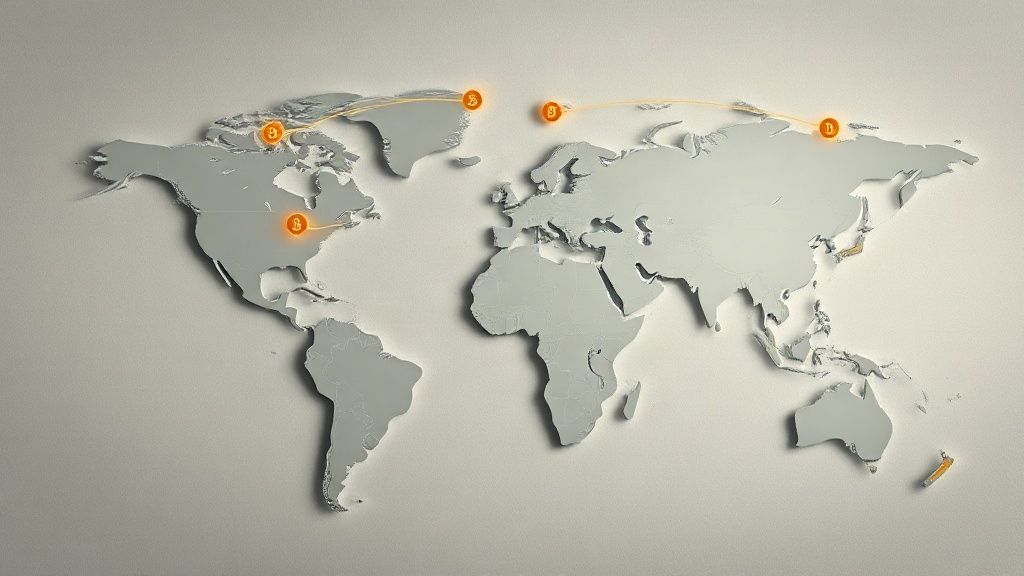
In August 2025, Binance accelerated the implementation of its localization strategy, actively seeking in-depth cooperation with governments and regulatory bodies worldwide. As of November 2025, Binance had obtained regulatory licenses in 19 regions globally, including India, Kazakhstan, and Indonesia.In terms of market expansion, Binance expanded its operations in February 2025 to emerging markets such as Latin America (offering services in Spanish and Portuguese), Southeast Asia (offering services in Indonesian, Vietnamese, and Thai), and Africa (including Nigeria and South Africa).To better integrate into local ecosystems, Binance integrated Binance Pay with Vietnam’s mainstream payment systems VietQR and MoMo in May of this year, aiming to transform cryptocurrency into a tool for everyday payments and further drive its global adoption. Stay tuned to Svmuu for ongoing coverage of these developments.
Technical Upgrades and Market Performance

On the technical front, the BNB Chain activated the Pasteur hard fork in August of this year, designed to enhance bridge security and increase transaction capacity, providing a solid foundation for the continued development of the BNB ecosystem. As of October 19, 2026,the price of BNB ranged from approximately $717.34 to $719.88, with a market capitalization of approximately $94.621 billion to $95.81 billion and a circulating supply of approximately 133.15 million to 133.16 million BNB.BNB reached its all-time high of $1,904.65 on September 23, 2025.
Perspectives and Challenges
- Binance (the company): Views regulation as both a challenge and an inevitability, continuously adjusting its operations, policies, and products to maintain compliance and competitiveness. It meets the legal requirements of specific regions through local entities such as Binance.US and views Asia, Africa, and Latin America as key growth areas for future development.
- Regulators: Bodies such as the U.S. Securities and Exchange Commission (SEC) and the UK Financial Conduct Authority (FCA) require Binance to implement stricter compliance measures, including licensing, KYC/AML procedures, and increased transparency. Some regulators have issued warnings to Binance or restricted its business scope, and have questioned the securities status of certain digital assets on its platform.
- Users: In emerging markets, users value Binance’s mobile app and localized payment options, as well as the financial opportunities it provides in regions with high inflation or limited banking services. In developed countries, users may utilize Binance for more complex trading strategies. Although KYC processes and geographic restrictions can be inconvenient, compliance also enhances the industry’s legitimacy and user protection.
- Market Analysts: They believe Binance’s global influence makes it both powerful and vulnerable, requiring it to constantly adapt to rapidly changing regulatory environments across countries. Regulatory inconsistencies pose a major challenge for Binance, forcing it to tailor its products and services to specific regions. Compliance reforms may temporarily reduce market activity but will facilitate the entry of institutional capital and help the crypto market move toward a more mature stage.
BNB Trading Channels

BNB can be traded on several major cryptocurrency exchanges.Currently, platforms supporting BNB trading include CoinUp.io, Binance, LBank, BTCC, Toobit, XT.COM, Tapbit, GroveX, OrangeX, CoinW, Aivora Exchange, FameEX, Azbit, Poloniex, and MEXC, among others.When selecting a trading platform, users should base their choice on the laws and regulations of their jurisdiction and the services offered by the platform.
The information on available platforms in this article is subject to change based on each exchange’s listing and delisting activities; please refer to the exchanges’ official announcements for the most up-to-date information.