ARDR is the native token of the Ardor blockchain platform. Ardor is an open-source, multi-chain platform known for its unique parent-child chain architecture, designed to address blockchain scalability, bloat, and customization issues.
Core Features of ARDR and the Ardor Platform
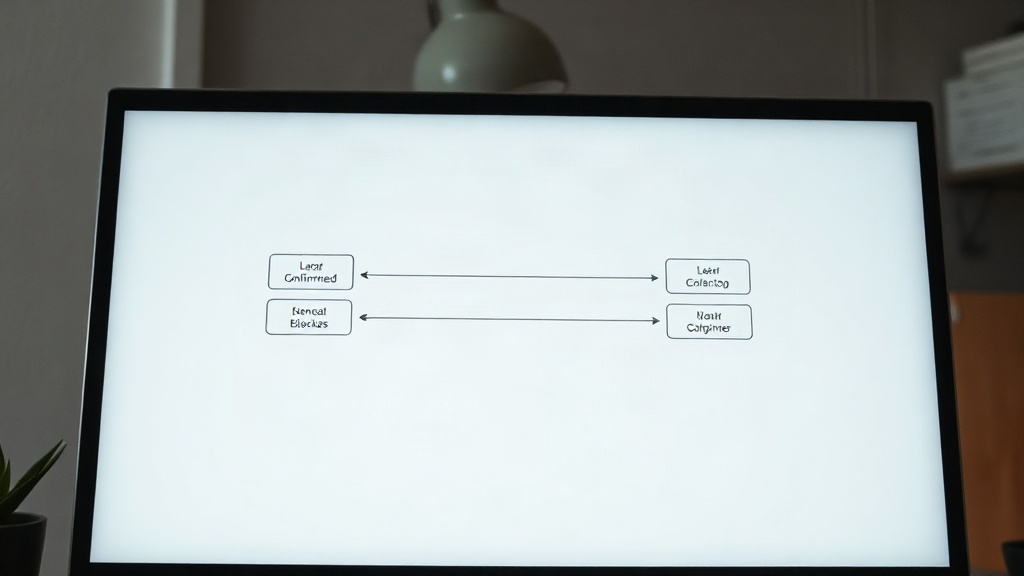
The core innovation of the Ardor platform lies in its "parent chain-child chain" architecture. The parent chain (Ardor mainnet) is responsible for the security and consensus of the entire network, utilizing a 100% Proof-of-Stake (PoS) mechanism, which is more energy-efficient than Proof-of-Work. Various functions and applications run on customizable child chains, and transaction data from child chains is anchored to the parent chain through "bundling," thereby mitigating blockchain data bloat. This design allows enterprises and developers to build customized applications on child chains without needing to maintain a separate, full blockchain. ARDR tokens are used to pay transaction fees on the parent chain (e.g., child chain transaction bundling fees) and to participate in network governance (e.g., voting).

Development History and Recent Market Dynamics
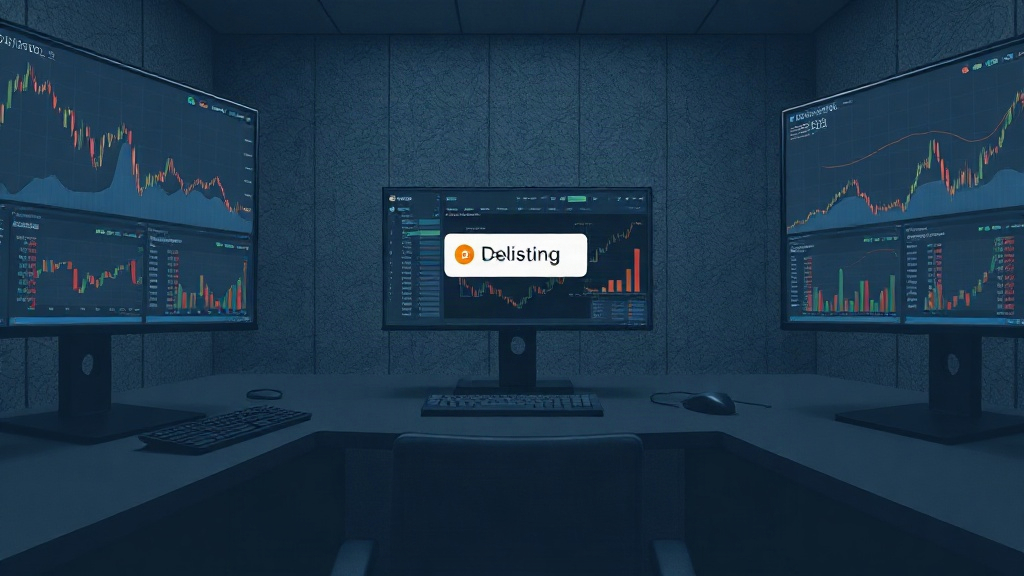
The Ardor mainnet launched in January 2018, activating its first child chains. Development continues to be led by Jelurida, the company also behind the earlier Nxt blockchain. Recently, the platform completed a version upgrade. However, a more direct event impacting ARDR's market performance was the announcement by major global cryptocurrency exchange Binance in July 2026 to delist ARDR spot trading pairs, followed by the cessation of ARDR withdrawal services in September of the same year. This event was widely regarded by the market as a significant bearish factor, exacerbating price volatility. Currently, ARDR is still traded on platforms such as Upbit, Bithumb, HTX, and Kraken.
Market Performance and Data Overview
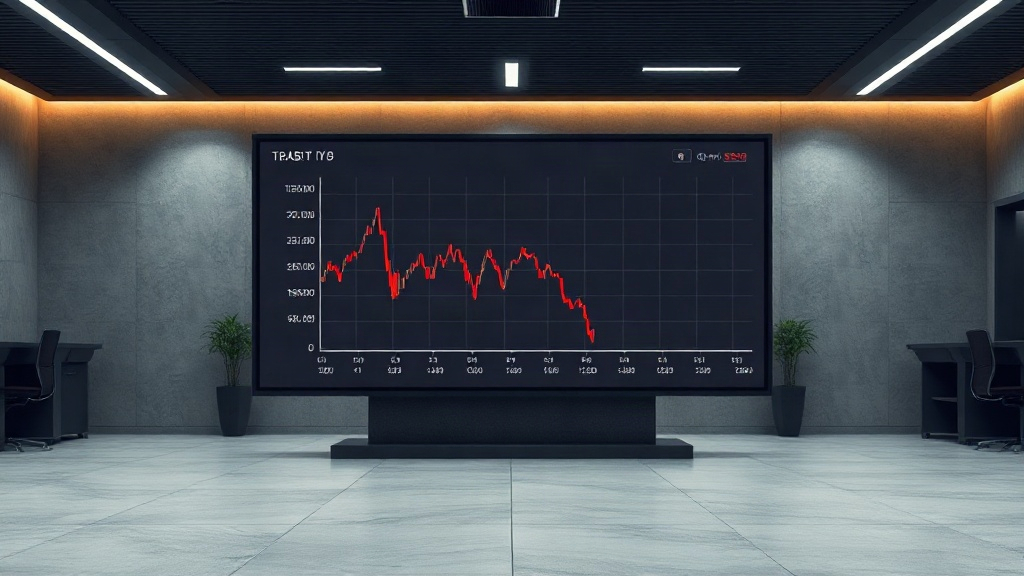
As of October 19, 2026, the ARDR price is approximately in the range of $0.024 to $0.031, with a market capitalization between $25 million and $32 million. Its all-time high occurred in January 2018, nearing $2.55, after which the price has remained low for an extended period. Over the past year, its price has seen a significant decline. Recent 24-hour trading volumes are in the millions to tens of millions of dollars, indicating some market trading activity, but liquidity has decreased compared to when it was listed on Binance.
Diverse Views on Long-Term Investment
Regarding whether ARDR is a worthwhile long-term investment, market opinions are divided.
Supporters' views are primarily based on its technical fundamentals:
- Unique Technical Architecture: The parent-child chain design is believed to have potential in addressing blockchain scalability and enterprise application customization.
- Energy-Efficient and Environmentally Friendly: The pure PoS consensus mechanism aligns with the current industry trend towards energy conservation.
- Continuous Development: The development team, Jelurida, consistently provides technical updates and maintenance.
Cautious and bearish views focus on market realities:
- Reduced Mainstream Platform Support: Binance's delisting significantly impacted its liquidity and market exposure, serving as a clear negative signal.
- Long-Term Price Weakness: Since its 2018 peak, the price has remained depressed, failing to recapture its early glory.
- Slow Ecosystem Development: Despite its technical merits, the scale of its ecosystem, user base, and prominent DApps still lag significantly behind leading public chains.
- Divergent Market Predictions: Some forecasting agencies offer a neutral short-term price outlook, while long-term predictions are uncertain or even bearish.

Summary
ARDR represents a blockchain project with innovative technical design, whose parent-child chain architecture aims to address industry pain points. However, its market performance has long been constrained by the pace of ecosystem development and mainstream exchange recognition, with the recent Binance delisting event further highlighting the challenges it faces. Any decision regarding long-term investment must be based on thorough research and independent judgment of the project's technical progress, ecosystem expansion, market liquidity, and the overall cryptocurrency market cycle. Investors should be fully aware of the high risks involved and only invest capital they can afford to lose.