Blockchain Digital Currencies: Definition and Core Principles
Blockchain digital currencies are digital assets that operate using cryptographic techniques and decentralized networks. They do not rely on traditional central banks or financial institutions but instead record and verify transactions through the blockchain, a distributed public ledger. The core of blockchain technology lies in packaging transaction data into "blocks," which are cryptographically linked to each other, forming a shared and tamper-resistant digital chain. Nodes in the network verify transactions through consensus mechanisms (such as Proof of Work, PoW, or Proof of Stake, PoS) to ensure data integrity and consistency.
Key Features and Advantages of Digital Currencies
Blockchain digital currencies possess several unique characteristics that distinguish them from traditional currencies:
- Decentralization: Operations do not rely on any central authority; they are maintained collectively by network participants.
- Global Circulation: Transactions are not limited by national borders, facilitating cross-border transfers.
- Transparency and Immutability: All transaction records are publicly viewable and, once recorded, cannot be arbitrarily altered.
- User Self-Control: Users have complete control over their digital assets through private keys.
- Relatively Low Transaction Costs: Especially in cross-border transactions, they typically reduce fees and time costs.
- Pseudonymity: Transaction records are public, but user identities are usually displayed as addresses rather than real names.

Origins and Key Milestones
The origin of blockchain digital currencies can be traced back to 2008 when Satoshi Nakamoto published the Bitcoin whitepaper, and the Bitcoin network officially launched in 2009. As the first decentralized digital currency based on blockchain technology, Bitcoin aimed to provide a peer-to-peer electronic cash system, reducing reliance on traditional banking systems.
In 2015, the launch of Ethereum marked another significant leap in the digital currency space. Ethereum introduced smart contract functionality, expanding the application scope of blockchain from mere value transfer to a wider range of decentralized applications (DApps), decentralized finance (DeFi), and non-fungible tokens (NFTs), greatly enriching the blockchain ecosystem.
Market Overview and Latest Technological Advancements
Currently, the global digital currency market is experiencing rapid development. According to forecasts, the global digital currency market size is expected to reach $39.75 billion in 2026 and grow to $98.71 billion by 2034, with a compound annual growth rate (CAGR) of 12.04% from 2026 to 2034. Cryptocurrencies dominate the digital currency market, projected to account for 57.63% of the market share in 2025.
In terms of market performance, the total market capitalization of cryptocurrencies exceeded $4 trillion in 2025, with Bitcoin's price reaching $126,000 at one point, and its market capitalization approaching $1.8 trillion, accounting for approximately 58%-60% of the total crypto market cap. US spot Bitcoin ETFs saw net inflows exceeding $21 billion in 2025, indicating increased interest from institutional investors. Ethereum, as the largest smart contract platform, continues to support thousands of DApps, DeFi, NFTs, and Web3 games.
Stablecoins play a crucial role in the crypto economy, with Tether (USDT) being one of the largest stablecoins by market capitalization. In 2026, USDe's market capitalization in the decentralized finance sector was approximately $7.3 billion. Additionally, in 2026, the crypto market liquidity reached a new high, with major exchanges' average daily spot trading volume consistently exceeding $100 billion.
Technologically, the blockchain sector continues to innovate:
- Bitcoin Network: In October 2026, Bitcoin Core 32.0 release candidate was published, aiming to enhance network speed and security by supporting parallel database reads and other features.
- Quantum-Resistant Technology: In August 2026, StarkWare successfully completed quantum-resistant Bitcoin transaction tests to address potential threats from future quantum computing.
- Scaling and Interoperability: Layer 2 scaling solutions (such as Rollups), cross-chain technology, and privacy-preserving technologies continued to mature and gain adoption between 2025 and 2026, aiming to increase transaction speed, reduce costs, and enhance interoperability between different blockchains.
Global Regulatory Landscape and Risk Considerations
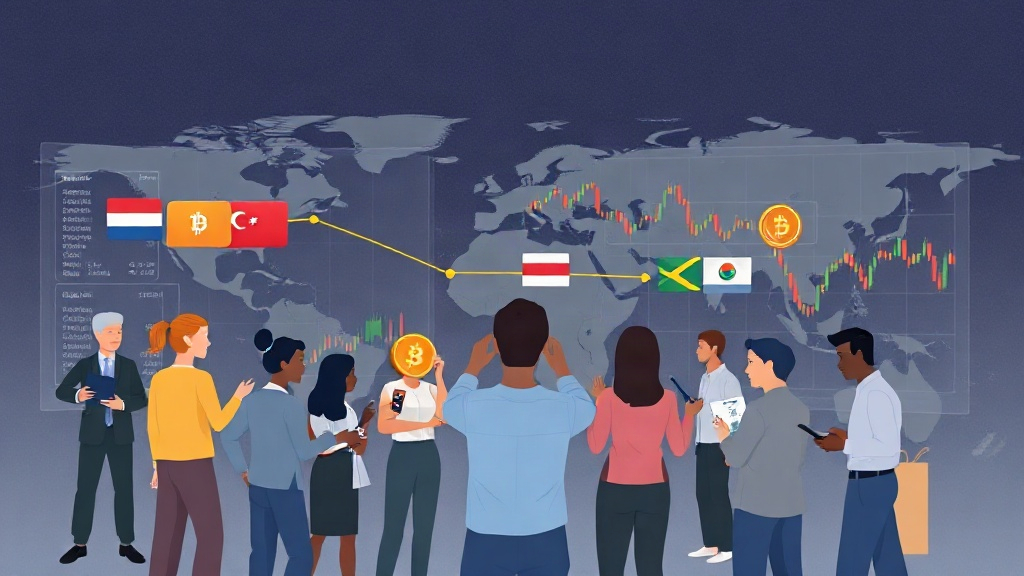
Governments worldwide exhibit significant differences in their attitudes and regulatory policies towards blockchain digital currencies:
- Proactive Regulation and Support: Regions such as the EU (MiCA regulation), Hong Kong (allowing retail trading and virtual asset ETFs), South Korea (cryptocurrencies recognized as legal assets), Japan, and the UAE have established relatively clear regulatory frameworks, focusing on investor protection and market development.
- Cautious or Restrictive: The United States lacks a unified federal law, and the Securities and Exchange Commission (SEC) has ongoing disputes over token classification. Taiwan does not recognize their currency status, treating them as speculative digital commodities.
- Outright Ban: Mainland China has completely banned cryptocurrency trading and mining activities.
Despite the numerous innovations brought by blockchain digital currencies, they also come with significant risks:
- Extreme Price Volatility: The market is nascent and influenced by various factors, leading to high price volatility, which makes them primarily serve as "investment products."
- Regulatory Uncertainty: Global regulatory policies are still evolving and may have a significant impact on the market.
- Technical Security Threshold: Users need certain technical knowledge to protect private keys and face risks such as phishing and hacking. Centralized service providers also carry custody risks.
- Scalability and Storage: Blockchain technology still faces challenges in terms of concurrency, scalability, and ledger storage.