



ADA is the native cryptocurrency of the Cardano blockchain platform. Launched in 2017, Cardano was one of the first major blockchains to adopt the Proof-of-Stake (PoS) consensus mechanism, with its design centered on building a secure, scalable, and sustainable financial infrastructure through academic research, mathematical modeling, and formal verification.
ADA's Core Role: Powering the Cardano Ecosystem
ADA plays multiple critical roles within the Cardano network: it serves as the fuel (Gas) for network transactions and smart contract execution, used to pay fees; it acts as a credential for Staking, allowing holders to participate in network security maintenance and earn rewards by staking ADA; furthermore, it is also the voting power credential in Cardano's decentralized governance system, enabling holders to delegate voting rights or directly participate in community proposal decisions.
Specific Practices at the Forefront of Financial Innovation
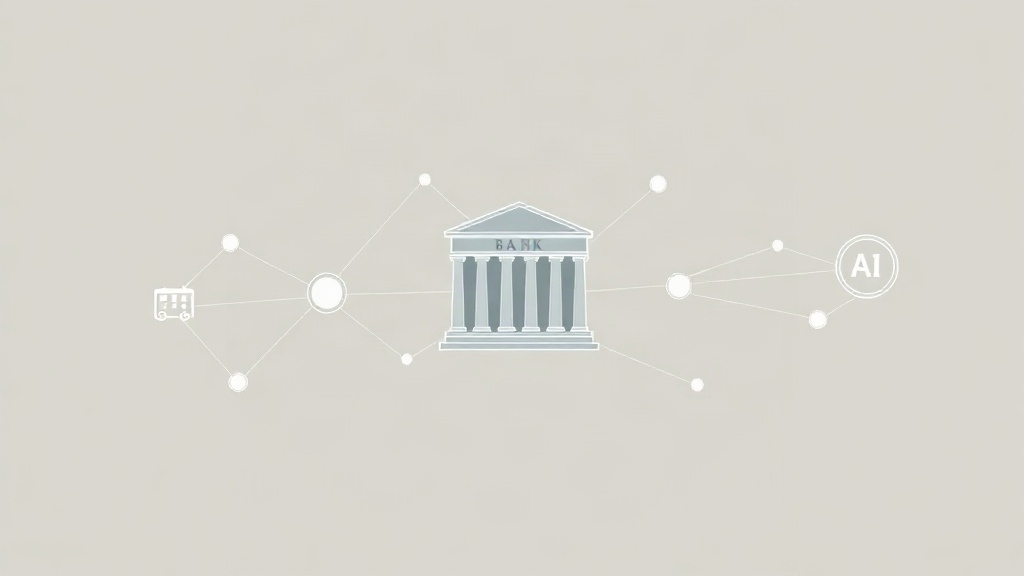
The Cardano ecosystem is expanding ADA's application boundaries in the financial sector through a series of innovations.
- DeFi and Stablecoin Expansion: Cardano's DeFi ecosystem continues to grow, encompassing decentralized exchanges, lending protocols, and more. Recently, the RealFi protocol launched on the mainnet, introducing the USD-pegged stablecoin USDrf and its interest-bearing version, aiming to connect on-chain liquidity with traditional institutional credit and trade finance markets.
- Real World Asset (RWA) Tokenization: Cardano is actively exploring the on-chain tokenization of real assets such as real estate and commodities. Recently, an upgrade named CIP-113 was merged, unlocking programmable tokenization capabilities on Cardano's unique Extended Unspent Transaction Output (EUTxO) model, providing a technical foundation for creating regulatory-compliant RWAs and stablecoins (e.g., KYC/AML, whitelisting).
- Payment and Compliance Infrastructure: Cardano is committed to integrating ADA into daily payment scenarios through collaborations with traditional financial giants like Mastercard and the development of payment protocols such as x402. Furthermore, its ecosystem treasury recently adjusted its strategy, allocating a portion of its development budget to USD stablecoins (e.g., USDC) to manage the risk of budget fluctuations against ADA's price, which is seen as a step towards financial predictability and attracting institutional partners.
- AI and Emerging Economy Integration: Cardano has achieved AI payment integration, enabling services running on the x402 protocol to use Cardano as a payment rail. This provides potential infrastructure for autonomous systems to pay for resources and services in a future "AI agent economy."
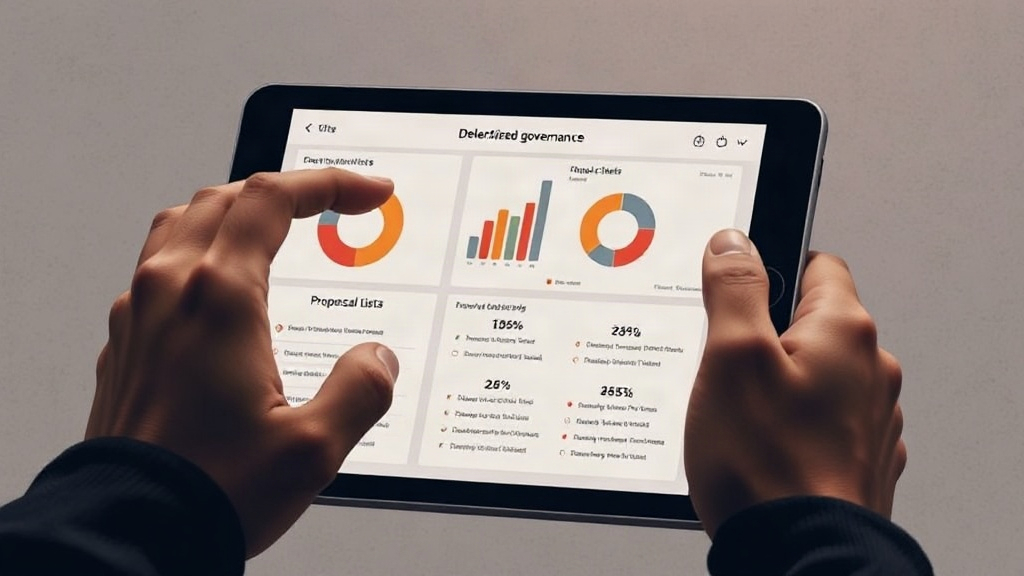
- Evolution of Governance Model: Cardano is currently in the Voltaire governance era, promoting governance decentralization through the CIP-1694 proposal. This system introduces a tripartite structure of Delegated Representatives (DReps), a Constitutional Committee, and Stake Pool Operators (SPOs), aiming to establish a community-driven, sustainable treasury and decision-making system.
Current Status, Challenges, and Market Perspective
According to recent data, ADA's circulating supply is approximately 37.56 billion, with a maximum supply of 45 billion. As of October 19, 2026, its price is approximately $0.22, with a market capitalization of about $8.3 billion.
The Cardano network remains active in terms of technological innovation, for example, the Leios upgrade aims to improve network throughput. However, its DeFi ecosystem's Total Value Locked (TVL) has retreated from historical highs, and the network's daily active addresses have recently declined. Market analysts hold differing views on this; some focus on the movements of large holders and changes in network activity that could pressure prices, while others emphasize its long-term technical roadmap and ecosystem development potential.
Overall, ADA's impact on financial innovation is profound and multifaceted. It is not only the economic unit of Cardano, a "research-driven" blockchain, but also a core element in building its next-generation compliant, interoperable, and inclusive financial system. Its practical effectiveness will ultimately depend on technology adoption, ecosystem application uptake, and the broader market environment.
How to Trade ADA
ADA is listed on numerous major cryptocurrency exchanges worldwide, and users can buy and sell it on platforms that support the token. For self-custody storage, ADA has dedicated wallets (such as Daedalus, Yoroi) and is also supported by many multi-asset wallets (such as Trust Wallet).









