



USDT Trading Platforms Overview
As the cryptocurrency market continues to evolve, stablecoin USDT (Tether) has become an indispensable part of digital asset trading. Users can purchase USDT or sell their crypto holdings through various platforms. These platforms primarily fall into two categories: Centralized Exchanges (CEX) and Self-Custody Wallets.
Centralized Exchanges (CEX)
Centralized exchanges are the most common venues for cryptocurrency trading, offering custodial services where user funds are held by the platform. The advantages of CEXs lie in their convenience, high liquidity, and extensive product offerings.

- Features and Advantages: Centralized exchanges typically offer a diverse range of trading products such as spot, futures, and options, and support various fiat deposit and withdrawal options, including debit cards, credit cards, and bank transfers. Their user interfaces are generally user-friendly, suitable for all types of investors.
- Risks and Considerations: While CEXs offer convenience, users are required to complete identity verification (KYC), and funds are held by a third party, meaning users must trust the platform to safeguard their assets.
- Mainstream Platforms:
- Binance: As the world's largest cryptocurrency trading platform by volume, Binance serves hundreds of millions of registered users in over 180 countries. In 2025, Forbes recognized Binance as one of the "most trusted cryptocurrency trading platforms."
- Coinbase: A globally renowned and reputable cryptocurrency exchange, known for its strict compliance and user security.
- Kraken: Ranks highly in CoinGecko's Trust Score, supporting over 200 cryptocurrencies and offering competitive fees and various deposit/withdrawal options.
- OKX: Provides a variety of services, including C2C (peer-to-peer) trading, allowing users to purchase USDT using various fiat currencies and payment methods.
- Bybit, Gate.io, KuCoin, Bitget, Crypto.com: These platforms are also mainstream exchanges in the market, offering comprehensive cryptocurrency trading services. Among them, Gate.io has emphasized providing 100% proof of reserves to enhance user trust.
- Market Data: As of October 19, 2026, CoinGecko tracked 157 cryptocurrency exchanges, with a total 24-hour trading volume of approximately $85.3 billion and total reserves of approximately $279 billion.
Self-Custody Wallets
Self-custody wallets allow users to fully control the private keys to their crypto assets, with funds not held by a third party. This method provides users with greater security and privacy.
- Features and Advantages: The core advantage of self-custody wallets is "your keys, your coins," giving users absolute control over their funds and mitigating potential risks associated with centralized platforms. Many self-custody wallets also integrate functions to purchase USDT.
- Risks and Considerations: Users are solely responsible for safeguarding their private keys; if private keys are lost or stolen, assets cannot be recovered. The operational threshold is relatively higher than CEXs, and they do not offer the complex trading functionalities of exchanges.
- Mainstream Wallets:
- MetaMask: A widely popular Web3 wallet that allows users to purchase USDT directly within the wallet through integrated services, with funds deposited directly into addresses fully controlled by the user.
- Trust Wallet: Offers convenient and secure USDT purchase services, supporting multiple blockchain networks.
- Ledger Live: As the companion application for Ledger hardware wallets, users can purchase USDT through its partners within the application and store it directly in the hardware wallet, further enhancing security.
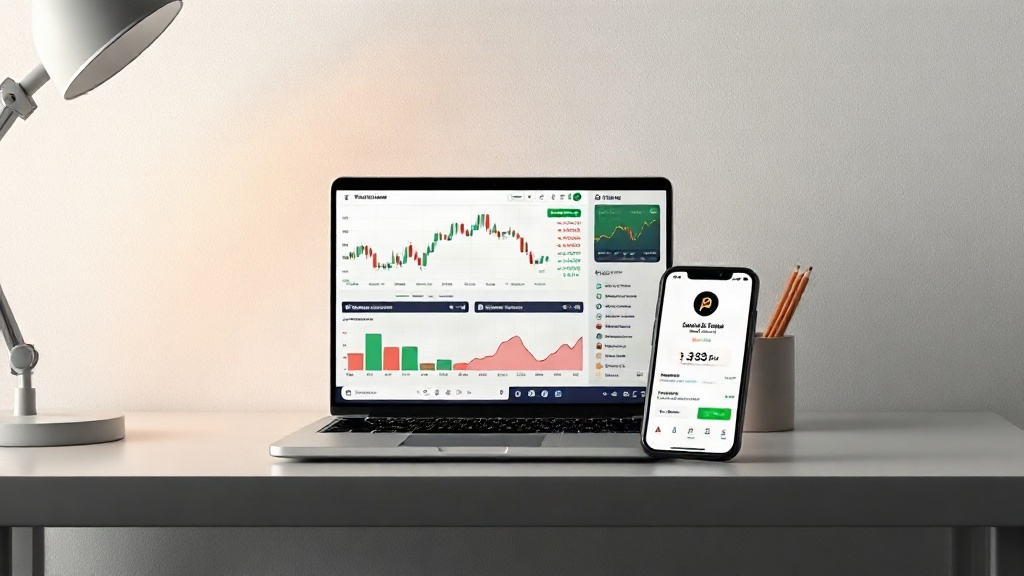
Common Payment Methods for Purchasing USDT
Whether choosing a centralized exchange or a self-custody wallet, users can purchase USDT through various payment methods, with specific options depending on the platform and the user's region.
- Common methods include: Debit cards, credit cards, bank transfers, Apple Pay, Google Pay, PayPal, and P2P (peer-to-peer) trading, among others.
- Compliance Reminder: When selecting payment methods and trading platforms, users should always comply with local laws and regulations and ensure that the chosen platform possesses the appropriate compliance qualifications.









