



Core Considerations for Choosing a Bitcoin Trading Platform
As the global crypto asset market matures, selecting a secure and efficient Bitcoin trading platform is crucial. Users should focus on the following aspects when evaluating different platforms:
- Security and Compliance: The platform's asset security is the primary consideration. This includes transparency of reserves, whether a user asset insurance fund is in place (such as Binance's SAFU fund), and the soundness of its internal governance structure. Historical events like Mt.Gox and FTX remind investors that centralized exchanges may face risks of hacker attacks and internal misappropriation of funds. Furthermore, whether the platform holds compliance licenses in relevant jurisdictions and adheres to local regulatory requirements is also an important criterion for measuring its reliability.
- Liquidity and Trading Depth: High liquidity means users can complete transactions faster and at prices closer to the market's best. Trading depth reflects the volume of buy and sell orders the market can absorb at different price levels. Leading global trading platforms typically have deep liquidity, capable of supporting large transactions without significant price slippage.
- Trading Fees and Product Features: Different platforms charge varying fees for spot, futures trading, and deposits/withdrawals. Users should choose a platform with a suitable fee structure based on their trading frequency and type. Concurrently, platform product features are becoming increasingly rich. Besides basic spot and futures trading, they may also include wealth management products, Web3 wallets, NFT marketplaces, API trading, etc., to meet diverse user needs.
- User Experience and Customer Support: An intuitive and user-friendly interface, a stable trading system, and responsive customer support are essential for enhancing the trading experience. Especially for novice users, a platform that is easy to get started with and offers multi-language support will be more attractive.

Overview of Mainstream Bitcoin Trading Platforms
Currently, there are numerous trading platforms supporting Bitcoin transactions, each with its unique characteristics. Below are a few platforms with high global recognition and user bases:
- Binance: As one of the world's largest cryptocurrency exchanges by trading volume, Binance is known for its high liquidity, low trading fees, and support for over 350 cryptocurrencies. It offers a rich array of features including spot, futures, and wealth management, and enhances asset security through its SAFU insurance fund.
- OKX: OKX is another globally renowned cryptocurrency trading platform, known for its efficient trade execution and stable system. The platform publishes monthly Proof of Reserves (PoR) to enhance asset transparency and leads in Web3 wallet and on-chain ecosystem development.
- Coinbase: As a compliant, publicly listed cryptocurrency exchange in the United States, Coinbase boasts top-tier advantages in fiat compliance and user trust. It is user-friendly for beginners and favored by institutional investors.
- Kraken: Kraken is a long-established, compliant European exchange, recognized for its high security, transparency, and comprehensive customer support. It adheres to strict regulatory standards in multiple jurisdictions.
- Bybit: Bybit offers an excellent user experience in derivatives and futures trading, with strong server capacity, making it suitable for users seeking high-performance trading.
Please note that when choosing a platform, users should verify the platform's latest service scope and compliance qualifications based on their local laws and regulations and personal needs.
Bitcoin Market Status
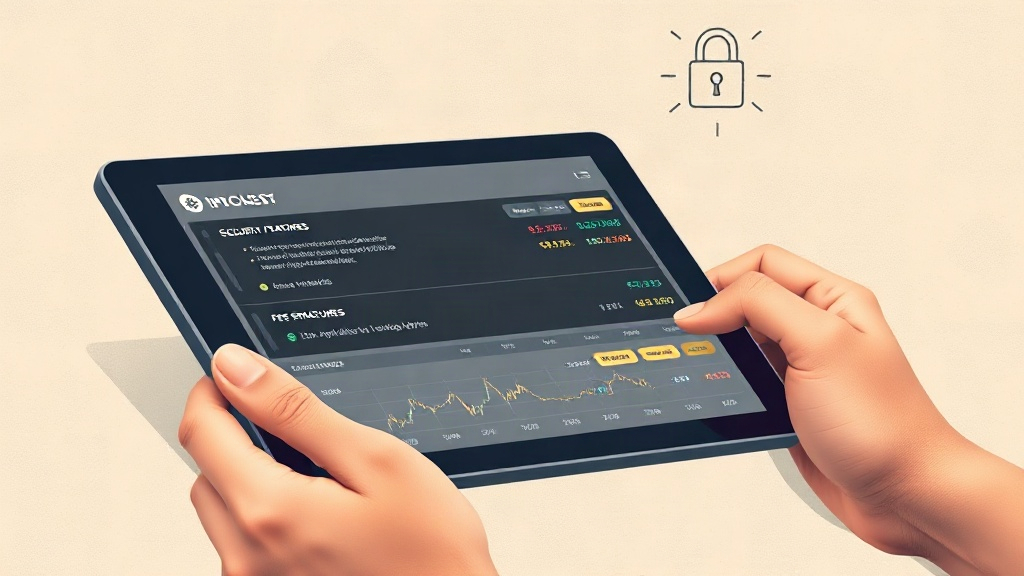
As of October 2026, Bitcoin (BTC), as the largest cryptocurrency by market capitalization, continues to attract attention for its market performance. Real-time prices fluctuate between $81,213.58 and $83,000, with a total market capitalization of approximately $1.63 trillion to $1.65 trillion. Bitcoin's circulating supply is around 20.09 million to 20.10 million BTC, close to its maximum supply cap of 21 million coins. In terms of trading activity, Bitcoin's 24-hour spot trading volume is approximately $4.238 billion, while its 24-hour futures trading volume is as high as approximately $49.712 billion, demonstrating its massive trading scale in the derivatives market. Institutional investor interest in cryptocurrencies continues to grow; for example, Metaplanet has approved the purchase of 2,100 Bitcoins and plans to transition into a Nasdaq-listed asset management platform in the fourth quarter of this year, further promoting Bitcoin's institutionalization process.
Global Regulatory Environment and Risk Warning
The global crypto asset market is experiencing increasingly stringent regulation. For instance, the EU's MiCA regulation clarifies the custody obligations and client asset segregation responsibilities of crypto intermediaries. Japan has also certified the Japan Virtual Currency Exchange Association as a self-regulatory organization. Meanwhile, some countries and regions maintain a stricter stance on virtual currencies; for example, mainland China continues to crack down on illegal financial activities related to virtual currencies, comprehensively prohibiting virtual currency settlement and the provision of trader information services. Investors participating in cryptocurrency trading must fully understand and comply with local laws and regulations, and recognize the inherent high volatility and risk of the cryptocurrency market. Any investment should be based on independent judgment and risk tolerance.
Bitcoin Trading Platform List
Bitcoin can be traded on the following platforms: CoinUp.io, BTCC, Pionex, Azbit, Binance, KCEX, BloFin, Ourbit, Hotcoin, Bybit, Gate, Tapbit, DigiFinex, CoinW, WEEX.
The information on platforms available for sale in this article changes with each exchange's listing and delisting dynamics; please refer to the official announcements of the exchanges.









