



ORDI and the Ordinals Protocol: An Extension of Bitcoin’s Capabilities
ORDI is the first BRC-20 standard fungible token created on the Bitcoin blockchain using the Ordinals protocol. This innovation does not stem from an upgrade to the Bitcoin core protocol itself, but rather from the Ordinals protocol—developed by software engineer Casey Rodarmor in 2022 and launched in January 2023.At the core of this protocol is the ability to directly “engrave” any data—such as text, images, audio, and video—onto Bitcoin’s smallest unit: the satoshi.Each satoshi inscribed with data becomes a unique, traceable digital unit. Based on this, developers can create unique assets similar to non-fungible tokens (NFTs) on the Bitcoin mainnet, as well as fungible tokens (BRC-20) such as ORDI.
This technical approach has opened up new possibilities for the Bitcoin ecosystem. It means the Bitcoin network is no longer viewed merely as “digital gold” for storing value but has the potential to serve as a foundational layer for issuing digital assets and supporting decentralized applications (albeit with relatively simple functionality). The emergence of the BRC-20 token standard is a preliminary demonstration of this potential.
ORDI’s Market Performance and Ecosystem Development
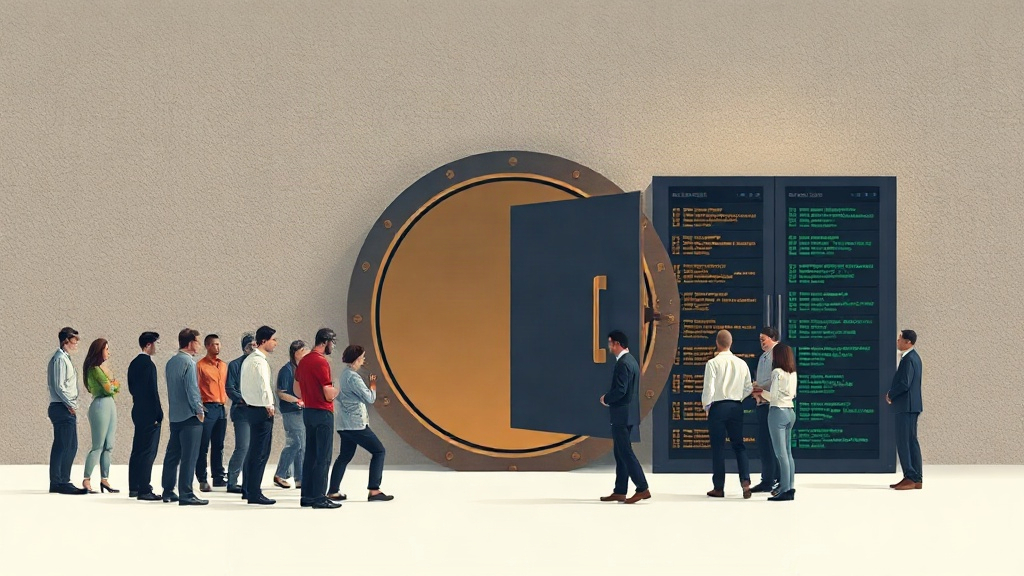
As an early representative of BRC-20 tokens, ORDI has experienced significant market volatility since its inception. According to public market data, its price surged rapidly between March and May 2023.As of October 20, 2026, ORDI’s price ranged from approximately $3.92 to $4.19, with a market capitalization between $78 million and $83 million. Its total supply matches that of Bitcoin at 21 million tokens, all of which are in circulation.
From an ecosystem perspective, the Ordinals protocol has spurred new activity on the Bitcoin blockchain. As of April 2025, the total number of inscriptions recorded on the Bitcoin blockchain had exceeded 18 million.To address network congestion and rising costs resulting from inscription activity, the ecosystem is exploring scaling and interoperability technologies such as Layer 2 solutions and cross-chain bridges. Investors and developers can monitor ORDI’s real-time price and related ecosystem developments through market information platforms like Svmuu.
Controversies and Challenges Behind the Innovation
The innovations of ORDI and the Ordinals protocol have also sparked widespread discussion and controversy both within and outside the community.
- Supporters’ View: They believe this represents a significant expansion of Bitcoin’s use cases, providing developers with tools to create assets on the most secure and decentralized blockchain, attracting new users and capital into the Bitcoin ecosystem, and enhancing its overall vitality and value.
- Critics and Challenges:
- Questions About Practicality: Some argue that early BRC-20 tokens (including ORDI) are largely experimental and speculative in nature, lacking solid underlying applications to support them, and that their value volatility resembles that of meme coins.
- Network Impact: Inscription activity consumes Bitcoin block space, potentially leading to higher transaction fees and longer confirmation times, which could negatively impact the core functionality of Bitcoin as a means of payment and value transfer.
- Philosophical Conflict: Some Bitcoin purists believe that tokenization on the Bitcoin mainnet runs counter to Bitcoin’s core design principles as peer-to-peer electronic cash and a store of value, adding unnecessary complexity and burden.

These controversies reflect differing philosophies within the Bitcoin community regarding its future direction. The future of the Ordinals ecosystem will depend on whether it can develop practical applications that go beyond financial speculation, as well as how it balances innovation with the Bitcoin network’s core performance.
Summary
As a pioneer of the Bitcoin Ordinals ecosystem, ORDI token’s technical essence lies in enabling asset issuance on the Bitcoin blockchain through inscription. This innovation has technically expanded Bitcoin’s boundaries, sparking market interest and ecosystem development, but it has also fueled ongoing debates regarding network congestion, fees, and design philosophy.For observers tracking the evolution of the Bitcoin ecosystem, ORDI and the underlying Ordinals protocol represent an important experimental direction, whose long-term value will ultimately be determined by the implementation of practical applications and the evolution of community consensus.









