Overview of Mainstream Cryptocurrency Trading Platforms
In the rapidly evolving global cryptocurrency market, choosing a secure and reliable trading platform is crucial. Currently, there are numerous centralized cryptocurrency trading platforms available, offering services for buying, selling, storing, and managing digital assets. Some widely recognized platforms include Binance, Coinbase, OKX, Bitget, Bybit, Kraken, Kucoin, Gate.io, and Crypto.com, among others. These platforms typically feature high liquidity, diverse trading pairs, and relatively comprehensive security measures.
- Binance: Widely considered one of the largest cryptocurrency exchanges globally by trading volume, offering a rich array of trading products and lower fees.
- Coinbase: As a major US cryptocurrency exchange, Coinbase has a broad service scope and is known for its compliance and user-friendly interface.
- OKX: Provides spot and derivatives trading services for various digital assets, including Bitcoin, Ethereum, and Litecoin.
- Bitget: As one of the fastest-growing trading platforms globally, its ecosystem user base and average daily trading volume continue to expand.
- Gate.io: Established in 2013, it is one of the earliest cryptocurrency exchanges globally, supporting a large number of crypto asset transactions.
Choosing a Litecoin (LTC) Trading Platform
Litecoin (LTC), as a long-standing and widely recognized cryptocurrency, is available for purchase and trading on most of the mainstream trading platforms mentioned above. Litecoin was created in 2011 by Charlie Lee as a fork of Bitcoin, designed to offer faster transaction confirmation times and lower transaction fees, making it suitable for everyday small payments and online settlements.
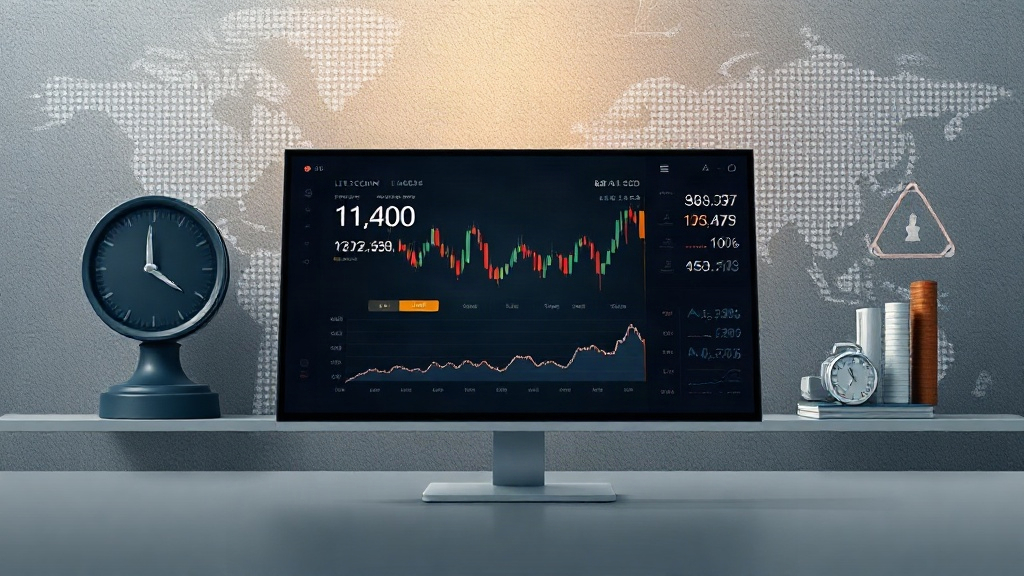
As of October 24-25, 2026, Litecoin (LTC) was priced at approximately $56.34 to $57.12, with a market capitalization of about $4.37 billion to $4.41 billion. Its circulating supply was approximately 77.75 million coins, accounting for 93% of the maximum supply of 84 million coins. During the same period, Litecoin's 24-hour trading volume was approximately $200 million. Litecoin reached an all-time high of approximately S$536.83 (about €369.15) on December 11, 2017.
Key Considerations for Choosing a Reliable Trading Platform
Investors should consider the following key factors when choosing a cryptocurrency trading platform:
- Security: Reliable platforms typically employ multiple security technologies, such as SSL encryption, cold wallet storage for most user assets, two-factor authentication (2FA), and regular security audits. Some platforms also provide 100% proof of reserves to enhance user trust.
- Regulatory Compliance: Regulatory differences for cryptocurrency exchanges vary significantly across global jurisdictions. Choosing a platform licensed and regulated in major jurisdictions (e.g., the US, Japan, EU member states) helps mitigate legal and operational risks.
- Liquidity and Trading Volume: High liquidity and large trading volume mean users can complete transactions more easily and quickly at their desired prices, reducing slippage.
- Fee Structure: Understand the platform's trading fees, deposit/withdrawal fees, and other potential charges, and choose a cost-effective platform.
- Supported Payment Methods: The platform should support various convenient payment methods, such as bank transfers, credit/debit cards, Apple Pay, and Google Pay, to facilitate user deposits and withdrawals.
- User Experience and Customer Service: An intuitive user interface, stable trading system, and responsive customer service are crucial for enhancing user experience.
Introduction to Decentralized Exchanges (DEX)

In addition to centralized exchanges, decentralized exchanges (DEX) like Uniswap and SushiSwap also provide cryptocurrency trading services. DEXs operate based on blockchain smart contracts, allowing users to maintain control of their private keys and funds throughout the trading process without entrusting assets to a third party, thereby reducing centralization risks. However, DEXs typically differ from centralized exchanges in terms of liquidity, transaction speed, and user-friendliness.
Ways to Acquire Litecoin
Users can trade Litecoin on platforms that still support the coin. Before making any transactions, always verify the listing status and relevant policies of your chosen platform and fully understand the risks of the cryptocurrency market.