How to Buy and Sell Ethereum (ETH)
Ethereum (ETH), the world's second-largest cryptocurrency by market capitalization, is widely available for trading. Users can choose suitable platforms for buying and selling based on their needs and risk preferences.
Buying Channels
- Centralized Cryptocurrency Exchanges (CEX): This is the most common way to buy. Users can register an account and complete identity verification (KYC) on mainstream CEXs such as Gate.com, Bitget, OKX, Kraken, and CEX.IO. Afterward, they can deposit fiat currency or cryptocurrency through various methods like bank cards, bank transfers, P2P trading, Apple Pay, Google Pay, or PayPal, and then purchase ETH.
- Decentralized Exchanges (DEX): Trade on DEXs (e.g., Uniswap, PancakeSwap) on EVM-compatible chains like Ethereum, BNB Chain, and Polygon. This method requires connecting a Web3 wallet such as MetaMask and paying the corresponding Gas fees. Prices on DEXs may differ from those in centralized markets.
- P2P/C2C Trading Platforms: Some platforms offer direct peer-to-peer services for buying and selling ETH with fiat currency. While there are many choices, users should be cautious about the counterparty's reputation to prevent fraud risks.
- Cryptocurrency Wallets: Some self-custody wallets, such as MetaMask, integrate third-party services that allow users to directly purchase ETH via debit cards, bank transfers, Apple Pay, Google Pay, or PayPal, without needing to open an account on an exchange first.
- Hardware Wallet Integrated Services: Hardware wallet applications like Ledger Live may also offer the functionality to purchase ETH through partners and deposit it directly into the hardware wallet, further enhancing security.
Selling Channels
The channels for selling ETH are similar to those for buying, primarily including:
- Centralized Exchanges: Users can directly sell ETH for fiat currency and withdraw it to their bank accounts, or first convert it into stablecoins (e.g., USDT) and then sell the stablecoins for fiat currency via C2C markets.
- P2C/C2C Trading: Users can directly trade with buyers and receive payments via bank transfers or e-wallets.
- Bitcoin ATMs: In some regions, specific cryptocurrency ATMs also support converting Ethereum into cash.
- Instant Swap Services: Within exchanges, users can quickly convert ETH into other cryptocurrencies.
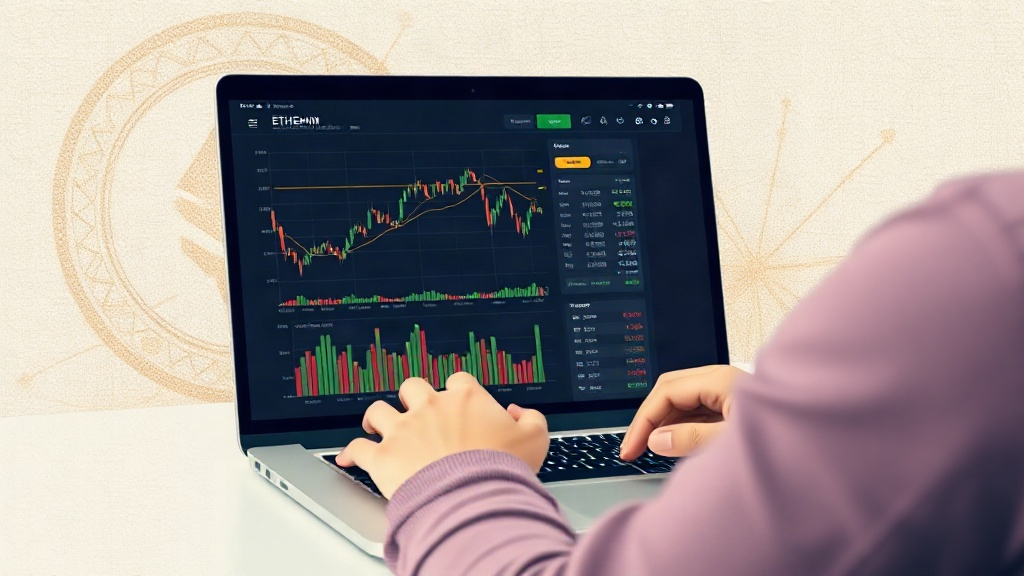
Overview of Trading Process
Regardless of the platform chosen, the general steps for buying or selling ETH include:
- Registration and Verification: Register an account using email or phone number, set a strong password, enable two-factor authentication (2FA), and complete identity verification (KYC).
- Select Payment Method and Deposit: Deposit fiat currency or cryptocurrency into the trading account via bank transfer, bank card, or other supported payment methods.
- Place an Order: Go to the spot market, select the ETH trading pair, enter the quantity to buy or sell, choose a market order or limit order, confirm, and submit the order.
- Check Holdings: After the order is completed, check the received ETH or fiat currency on the assets or wallet page.
Trading Fees
Various fees may be involved in the trading process, including payment channel fees, bid-ask spreads, trading fees (especially Gas fees on DEXs), and withdrawal fees. Users should carefully understand each platform's fee structure before trading.
Ethereum (ETH) "Mining" and Staking Rewards

Regarding the question "how much can one earn from Ethereum mining per day," it is important to note that traditional Ethereum mining is a thing of the past.
Transition from PoW to PoS
Ethereum officially transitioned from the energy-intensive Proof-of-Work (PoW) mechanism to the Proof-of-Stake (PoS) mechanism on September 15, 2022, through "The Merge" event. This means that traditional GPU-based Ethereum mining is no longer viable, and the era of large-scale GPU mining has ended. This transition reduced Ethereum's energy consumption by approximately 99.95%, significantly improving its sustainability.
"Mining" Transformed into "Staking"
Under the PoS mechanism, the network validates transactions and generates new blocks by staking ETH, replacing the traditional mining process. Therefore, the primary way to earn ETH now is through "staking" rather than "mining."
Current Staking Rewards
Staking reward rates dynamically change based on factors such as the total network staking ratio, network usage frequency, and on-chain economic activity. As of October 26, 2026, Ethereum's staking reward rates are approximately as follows:
- According to the latest report, as of October 21, 2026, Ethereum staking rewards decreased from 2.81% to 2.63% in the third quarter.
- The current staking reward rate is approximately 2.23% - 2.90% (annualized).
- Other reference Annual Percentage Yields (APY) are around 3%-5%.
- The Cryptomus platform shows an ETH Return on Investment (ROI) of approximately 3.00%.
Users can check real-time Ethereum prices and related data on market information platforms like Svmuu to evaluate staking rewards.
Staking Methods
- Running a Full Validator Node: Becoming an Ethereum network validator requires staking 32 ETH.
- Liquid Staking or Staking Pool Services: Many platforms offer liquid staking or staking pool services, allowing users to stake less than 32 ETH to participate and earn rewards. These services typically issue liquid staking tokens, representing the user's staked share, which can be further utilized in the DeFi ecosystem.
Ethereum Classic (ETC) Mining
It is worth noting that Ethereum Classic (ETC) still uses the PoW (Ethash) mining mechanism and can be mined with GPUs. Its daily earnings depend on the ETC price and electricity costs. However, when "Ethereum" is mentioned, it usually refers to ETH.