When " ALT " is mentioned, readers may encounter two meanings: one is the native token issued by the AltLayer project, with the ticker ALT; the other is the abbreviation for "altcoin" (alternative coin), which generally refers to cryptocurrencies other than Bitcoin. This article primarily focuses on the first specific token and briefly explains the second concept.
What Does AltLayer Do?
AltLayer is a decentralized protocol primarily focused on helping developers launch and enhance Rollups. Rollups are Layer 2 scaling solutions that typically execute transaction computations off-chain and then submit data or proofs to the main chain to improve throughput and reduce fees.
The project introduces the concept of "Restaked Rollup," whose core idea is to enhance the security and interoperability of Rollups through a restaking mechanism. It also provides a no-code solution for developers to create custom Layer 2 environments, supporting both Optimistic and ZK Rollup technical paths.
ALT Token and Supply Metrics

ALT is AltLayer's native token. Its maximum supply is approximately 10 billion ALT; the circulating supply varies but is roughly in the range of 700 million. There are significant discrepancies in reported prices, market capitalization, and historical highs and lows, so this article will not use specific values to avoid misleading information.
- When checking token information, prioritize verifying the contract address, associated chain, and circulating supply metrics.
- Prices, market capitalization, and trading volumes change in real-time; a single screenshot cannot represent the current state.
- There are many tokens with identical or similar names; confirm the project's official website and on-chain contract before trading.
Where to Trade ALT
Currently verifiable trading platforms include Nest, Project X, and others. Whether orders can be placed, available trading pairs, and liquidity should be confirmed on the platform's real-time page.
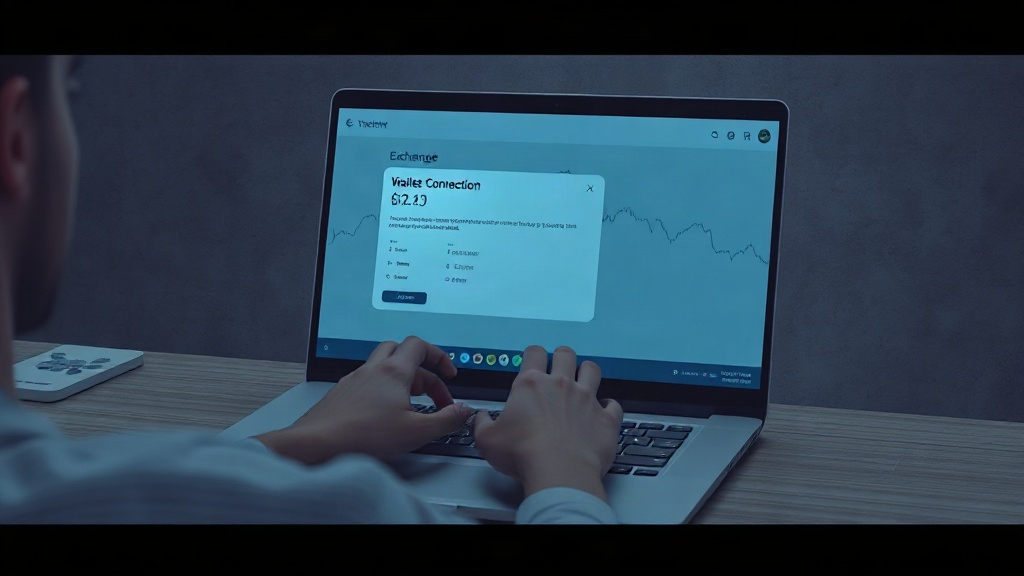
ALT typically exists as an Ethereum ecosystem token. For wallets, users can check self-custody wallets like MetaMask for support of the corresponding token contract; wallet support for storage or management does not equate to direct trading. ALT was listed on Binance in January 2024, but a historical listing does not mean it is currently available for sale.
If trading through a decentralized platform, users should verify the contract address, slippage settings, transaction path, and authorization scope, and only connect to trusted front-end pages to avoid unauthorized access.
Altcoin Concept: ALT Is Not All Altcoins
Broadly, altcoin is short for alternative coin, referring to cryptocurrencies other than Bitcoin, including stablecoins, privacy coins, memecoins, exchange tokens, governance tokens, etc. This concept is a category description and is not synonymous with the ticker ALT, nor does it represent a specific project.
Risks and Considerations
The Layer 2, Rollup, and restaking sectors are experiencing rapid technological iteration, and protocol competition, upgrade paths, and token economic models may change. Emerging tokens may have limited liquidity and significant price volatility. Before trading, users should confirm the project's positioning, contract address, trading channels, and compliance requirements in their jurisdiction.
The platform information mentioned in the article changes with the listing and delisting dynamics of various exchanges; please refer to the official announcements of the exchanges.