"Crypto trading apps" typically refer to applications used for checking market conditions, buying and selling cryptocurrencies, managing assets, or engaging in derivatives trading. When choosing, the key is not to focus on advertisements, but to first identify the type of app you need, and then verify it against hard metrics such as compliance, security, liquidity, fees, coin coverage, and user experience.
First, clarify what type of app you need
Different apps have vastly different risk and fee structures:
- Centralized Exchange (CEX) Apps: Usually offer fiat currency deposits, spot trading, contract trading, wealth management, and customer support. User assets are often held by the platform, and identity verification like KYC is required.
- Decentralized Exchange (DEX) or Wallet Apps: Users self-custody private keys or seed phrases and complete swaps via smart contracts. Assets are held by the user, but risks of operational errors, phishing authorizations, and slippage are higher.
- Market Data and News Apps: Primarily provide prices, news, on-chain data, and alerts, and do not necessarily offer direct trading. If they claim to offer trading, further confirmation is needed to ascertain if they are integrated with licensed platforms or DEXs.
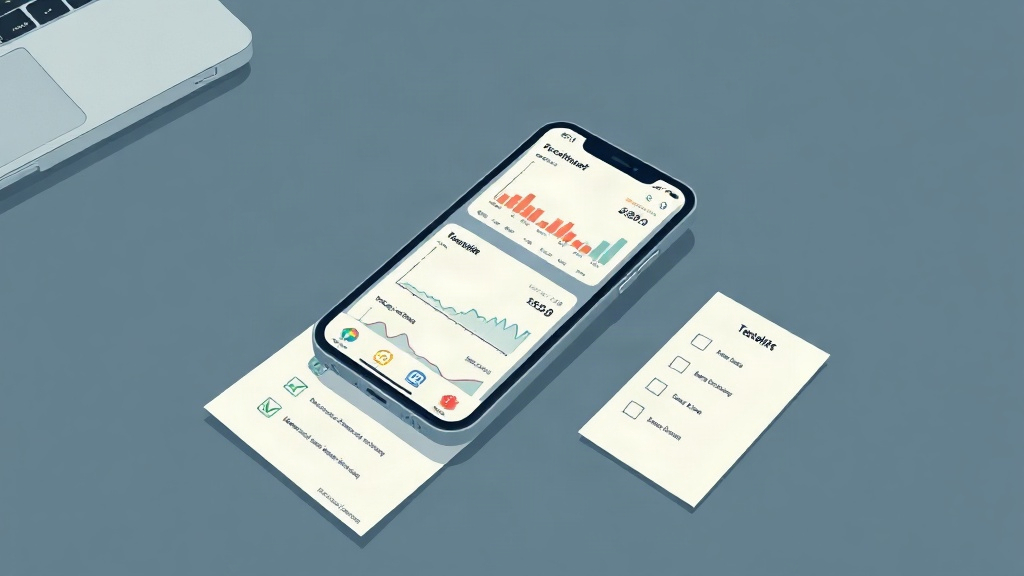
Six hard metrics for choosing a trading app
"Reliable" is not an absolute label, but rather a match with your region, capital size, trading products, and risk tolerance. Before choosing, you can focus on checking:
- Compliance and Licensing: Check if the platform has obtained licenses, authorizations, or completed registrations in the user's jurisdiction. The United States, European Union, Japan, South Korea, Singapore, Hong Kong, and other regions have different regulatory requirements for crypto asset trading, derivatives, and fiat currency deposits/withdrawals. Being licensed does not mean zero risk, but it usually implies clearer identity verification, anti-money laundering, and information disclosure obligations.
- Security and Asset Protection: Pay attention to mechanisms such as cold storage, multi-signature, access control, real-time risk control, insurance, or risk funds. Some platforms publish proof of reserves, but proof of reserves does not equate to a full audit and does not guarantee full redemption in extreme situations. Public reports show that multiple large platforms have experienced security incidents, regulatory investigations, or user disputes, so no platform can be assumed to be absolutely secure.
- Liquidity and Trading Depth: Mainstream cryptocurrencies usually have deeper order books and smaller bid-ask spreads. Long-tail cryptocurrencies, even if listed, may experience slippage, failed trades, or withdrawal congestion due to low trading volume. You should check real-time trading volume, bid-ask spreads, and the order book, rather than just looking at the "number of supported cryptocurrencies."
- Fee Structure: Compare spot trading fees, contract trading fees, withdrawal fees, deposit fees, fiat channel fees, spreads, and VIP tier discounts. Rates may vary with promotions, trading volume, and region, and should be based on real-time disclosures on the official page.
- Cryptocurrencies and Features: If you only trade mainstream spot assets, focus on liquidity and fiat channels. If you engage in contracts, copy trading, staking, Web3 wallets, or new coin trading, the more complex the features, the more you need to understand liquidation, lock-up, authorization, and smart contract risks.
- Experience and Customer Service: App stability, matching performance during extreme market conditions, KYC review speed, withdrawal processing time, and customer service responsiveness are all important. You can first read user complaints, regulatory announcements, and platform terms before deciding whether to use it.

Which platform types are worth prioritizing for verification?
There is no single "reliable" app for all regions, all capital sizes, and all trading products. A more prudent approach is to verify by type, rather than relying on a single ranking or advertisement:
- Listed platforms or platforms subject to disclosure regulations: Such as trading platforms under US-listed companies, where financial reports and regulatory documents are public. However, available regions, cryptocurrencies, and fees still need to be confirmed separately.
- Locally licensed or registered platforms: For example, platforms that have obtained licenses or completed registration in jurisdictions such as the EU (MiCA), Japan (FSA), South Korea, Singapore, and Hong Kong. The type of license determines the services that can be offered, but does not imply zero risk.
- Global comprehensive platforms: Usually offer more cryptocurrencies and features, but their regulatory status varies by region, so you need to check if they are allowed to provide services locally.
- Derivatives and contract platforms: Offer perpetual contracts, leverage, copy trading, and other features, with higher volatility and liquidation risks. Before choosing, you need to pay special attention to liquidation terms and funding rate rules.
If a platform cannot clearly explain its licenses, fees, withdrawal rules, asset custody methods, or customer service channels, you should exercise caution. Users can prioritize checking regulatory lists in their jurisdiction, rather than just relying on app store ratings.
How do crypto trading app platforms make money?
The revenue sources for cryptocurrency trading apps typically include:
- Trading Fees: Charging fees on transaction volume for spot, contract, and swap trades, which is the core revenue for most platforms.
- Withdrawal, Deposit, and Fiat Channel Fees: Users may incur network fees, platform fees, or bank channel fees when withdrawing crypto assets or fiat currency.
- Derivatives-related Revenue: Including contract fees, funding rates, leverage interest, liquidation services, and related risk pricing.
- Listing or Onboarding Services: Project teams may pay related fees to gain trading pairs, liquidity, and exposure. Listing itself does not equate to value endorsement.
- Wealth Management, Staking, and Lending Services: Platforms may earn revenue from staking rewards, lending interest spreads, liquidity mining, or management fees.
- Spreads and OTC Services: In one-click crypto purchases, over-the-counter (OTC) trading, or fiat currency exchanges, platforms may profit from the difference between the buy and sell prices.
- Value-added Services: API interfaces, institutional trading, data services, wallets, membership systems, Launchpads, NFT marketplaces, etc.
- Referral Commissions and Affiliate Marketing: Platforms or promoters earn a share of user trading fees, which may lead to frequent trading and inducement risks.
- Proprietary Trading or Market Making: Some platforms or associated market makers profit by providing liquidity, which may create conflicts of interest with user trades.
Where does user-side "earning" come from, and what are the risks?
Users typically earn income through trading apps from price differences, commissions, staking, or wealth management returns, but none of these are guaranteed:
- Buy Low, Sell High: Price fluctuations can lead to profits or losses, and crypto assets typically have high volatility.
- Fee Rebates or Referral Rewards: Rewards come from platform or promotional shares, not investment returns.
- Staking, Lending, and Wealth Management: Returns may come from protocol rewards, interest spreads, or management fee distribution, while also facing smart contract, liquidity, lock-up, and platform risks.
- Contracts and Leverage: Magnify gains while also magnifying losses. In extreme market conditions, forced liquidation, slippage, and funding rate changes may occur.
- Copy Trading: Following others' strategies may replicate losses, and historical performance does not guarantee future results.

When choosing an app, also be wary of fake applications, phishing websites, private key leaks, fraudulent customer service, and scams that entice with fixed high returns. Any request to transfer assets to a personal wallet, urge quick deposits, or avoid identity verification should be treated with extreme caution.
Pre-selection verification checklist
- Confirm whether your jurisdiction allows the use of the relevant platform and whether the platform offers compliant services locally.
- Obtain the app from official app stores or the official website to avoid risks of counterfeiting from search ads, QR codes, and unfamiliar installation packages. App stores may not be available in some countries and regions; please refer to official announcements and local regulations.
- Check regulatory announcements, license information, financial reports, or public compliance documents, rather than just promotional pages.
- Examine security mechanisms, proof of reserves disclosure, insurance or risk funds, and how past security incidents were handled.
- Compare fees, withdrawal rules, fiat channels, and processing times, paying attention to hidden spreads and network congestion fees.
- Read the terms regarding leverage, liquidation, asset freezing, customer service response, and dispute resolution.
- For large amounts of funds, diversify storage, enable strong passwords and two-factor authentication, and avoid storing seed phrases or private keys on internet-connected devices.