



On-chain Perp DEX Trading Volume Continues to Adjust
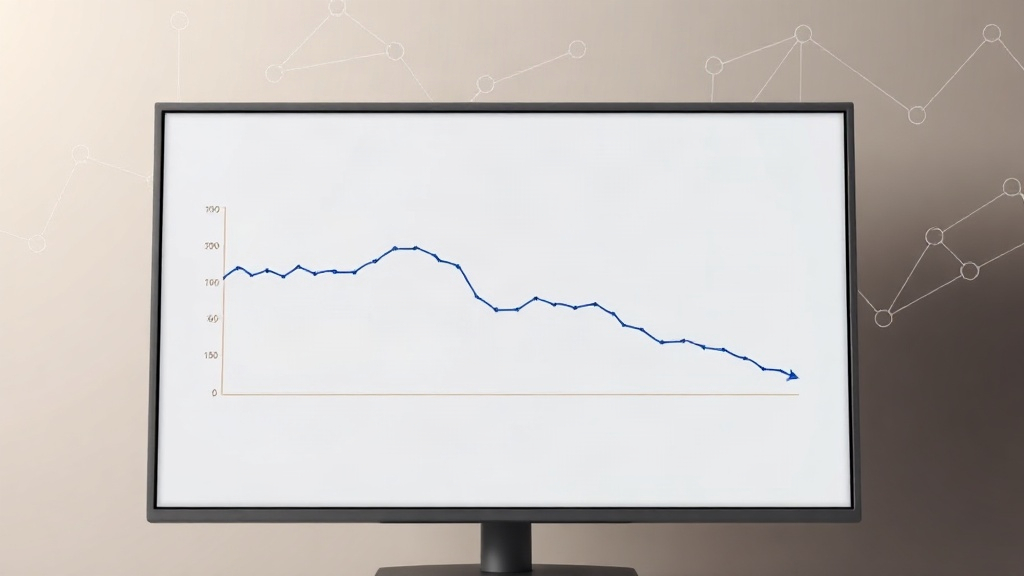
The perpetual contract (Perp DEX) trading volume on decentralized exchanges (DEXs) has recently undergone a significant adjustment. After peaking at $1.36 trillion in October 2025, the monthly trading volume of Perp DEXs has declined for five consecutive months. As of March 2026, this figure has dropped to $699 billion. Market observations show that daily trading volume once fell below $10 billion, the first time since September 2025. However, as of October 28, 2026, DefiLlama data indicates that Perp DEX's 24-hour trading volume is approximately $25.5 billion, 30-day trading volume is $620.186 billion, and total Open Interest (OI) is approximately $13.608 billion.
Counter-cyclical Market Share Growth and CEX Challenges

Despite the decline in trading volume, Perp DEXs have shown counter-cyclical growth in their share of the overall perpetual contract market. Data shows that their market share has significantly increased from 0.11% in January 2023 to 12.33% in September 2026. Furthermore, as of the end of April 2026, Perp DEX's share of overall Open Interest has also risen to 13.5%. In contrast, the perpetual contract trading activity of centralized exchanges (CEXs) is facing contraction. In the first four months of 2026, the average monthly trading volume of the top 11 Perp CEXs decreased by 34% year-on-year. For example, as of October 25, 2026, Binance Futures' 24-hour trading volume was $38.08 billion.
Capital Favor and Emergence of New Projects
Against the backdrop of an overall decline in Perp DEX trading volume, capital market confidence in this sector remains strong. In May 2026, several new Perp DEX projects bucked the trend and secured nearly $100 million in funding. Among them, PopDEX completed a $30 million funding round led by Foresight Ventures. Projects like Variational have also shown strong growth momentum, with their trading volume and Open Interest rapidly climbing. Currently, Hyperliquid dominates on-chain perpetual contract Open Interest, with its share reaching 57% (approximately $7.57 billion) as of October 25, 2026. Over the past 30 days, 38 Perp DEXs collectively generated approximately $125 million in user fees, with Hyperliquid contributing $84.55 million.
Attractiveness and Challenges of Perp DEXs
The appeal of Perp DEXs lies in their decentralized nature, which addresses issues such as potential black-box operations and counterparty trading with users that can exist on centralized exchanges, while offering user self-custody and transparency. However, Perp DEXs also face numerous challenges, including liquidity illusions (incentive mechanisms may inflate fake trading volumes), hidden costs (order book models require substantial market maker subsidies), black-box liquidations, trade sequencing sacrifices, and inefficient margins. Furthermore, disputes over value distribution persist, where traders contribute real order flow and fees, but platform value distribution often revolves around tokens, and token holders may not be the actual traders paying fees, potentially leading to misaligned incentives. Market observers believe that the decline in trading volume may reflect the true state of market participation, partly due to cyclical factors; when market confidence wanes and volatility decreases, trading volume tends to follow suit.









