First, confirm the platform name
OKEx is the old name, the current external brand is OKX. As some readers still search for OKEx, this article retains the old name as an entry point, but account, page, and product rules should be based on what is actually displayed by OKX.
Basic Types of Contract Trading
The core of contract trading is to establish long or short positions around the price of an underlying asset. Common OKX contract products can be distinguished by expiration method and margin type.
- Perpetual Contracts: Have no fixed expiration date, positions can be held long-term, and prices are usually linked to the spot market through a funding rate mechanism.
- Futures Contracts: Have a clear expiration date, after which positions are closed or settled according to settlement rules, suitable for traders with a clear plan for their holding period.
- USDT-Margined Contracts: Typically use USD-denominated assets as margin and settlement units, making profits and losses easier to understand in USD terms.
- Coin-Margined Contracts: Use the underlying cryptocurrency as margin and settlement asset, where profits and losses are jointly affected by the price of the underlying cryptocurrency.
Risk Parameters to Understand Before Placing an Order
Contract trading is not simply "buying" or "selling"; at a minimum, you should understand the following parameters before placing an order.
- Leverage Multiple: Controls a larger notional position with less margin, amplifying both profits and losses.
- Cross Margin vs. Isolated Margin: Cross margin uses all available margin in the account to bear risk, while isolated margin limits risk to the margin designated for a specific position. Specific rules are subject to the page display.
- Liquidation Price: When margin falls below the platform's specified threshold, the position may be forcibly liquidated by the system.
- Funding Rate: Perpetual contract positions may periodically pay or receive funding rates, which should be factored into the cost for long-term holdings.
Basic Contract Trading Process
Different interface versions may vary, but the following is a general path for beginners to familiarize themselves with placing contract orders.
- Register an account and complete identity verification as required by the platform, also confirm whether your jurisdiction allows the use of related services.
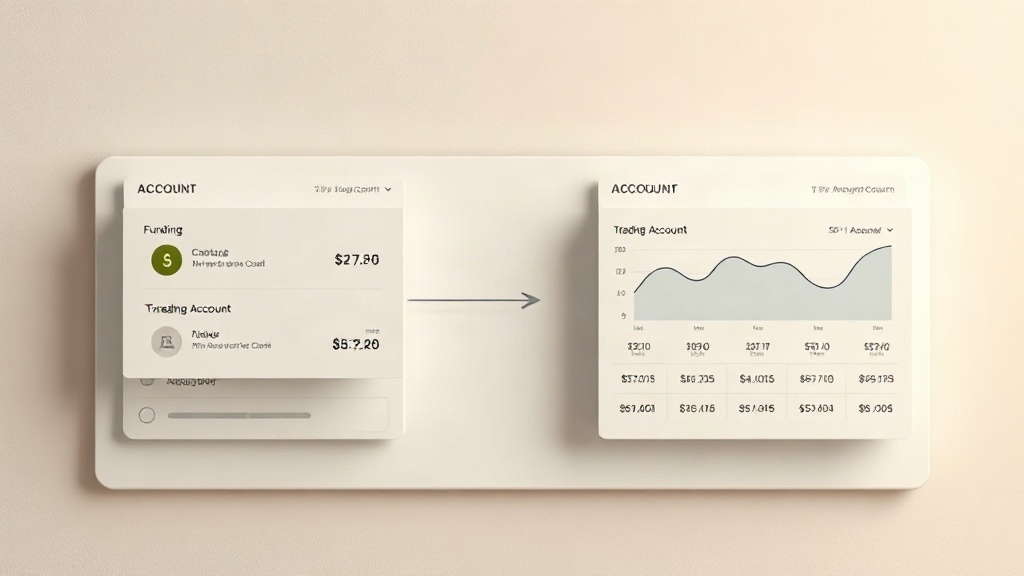
- Transfer funds from your funding account to your trading account, and select the corresponding margin asset.
- Go to the contract trading page, select perpetual or futures contracts, and choose USDT-margined or coin-margined.
- Select cross or isolated margin mode, and set the acceptable leverage multiple.
- After understanding the risks, choose "Buy Long" or "Sell Short," and enter the contract quantity and price type.
- Set take-profit, stop-loss, or trigger orders to avoid passively expanding risk during market fluctuations.
- View positions, unrealized P&L, funding rates, and liquidation risk on the positions, orders, and trade history pages.
Beginner Tips
- First, learn the contract rules, then engage in live trading, especially mechanisms for leverage, liquidation, funding rates, and margin transfers.
- Prioritize using demo trading to familiarize yourself with placing orders, closing positions, setting take-profit/stop-loss, and position management.
- Start with small positions that you can afford to lose, do not use high leverage from the beginning.
- View take-profit and stop-loss as risk management tools, not market prediction techniques.
- When holding perpetual positions long-term, factor funding rates into your cost calculations.
- Avoid chasing orders or temporarily modifying plans when emotional; clarify exit conditions before placing an order.
Platform Products and Historical Dynamics
OKX's contract product line is continuously adjusted. In 2020, the platform launched a unified trading account to improve capital utilization efficiency; annual statistics from 2020 showed that derivatives such as futures contracts and perpetual contracts accounted for a relatively high proportion of the platform's trading structure. This data is historical and does not represent current scale.
In May 2026, OKX updated its event contract products, including adding SOL-related event types, launching 5-minute price fluctuation events, optimizing settlement rules, and order precision. Such dynamics are historical product updates, and current availability should be based on the platform page.
Public reports mentioned that in October 2026, OKX collaborated with Intercontinental Exchange (ICE) and Trade.xyz to explore introducing perpetual contracts to the regulated US market. Whether such cooperation will materialize and to which users it will be open depends on regulatory approval and product launch status.
Risk and Compliance Disclaimer
Contract trading is a high-risk derivatives trading activity. Leverage can lead to rapid loss of principal and even trigger forced liquidation. While USDT-margined contracts use USD-denominated assets as margin or settlement units, this does not mean risk is eliminated; profits and losses of coin-margined contracts are also affected by the price of the underlying cryptocurrency.
Some countries and regions have restrictions on cryptocurrency derivatives trading, and service availability and account functions may change with regulations. Please refer to the laws and regulations of your jurisdiction and platform announcements. This article is for informational purposes only and does not constitute investment advice.