USDT, issued by Tether, is the world's largest stablecoin by market capitalization and has long served as the core settlement layer for the crypto market. In recent years, its strategy has clearly moved beyond a mere medium of exchange, revealing an ambitious vision to build a "global currency." Through deep penetration in emerging markets, the launch of compliant products, and diversification of reserve assets, Tether is attempting to establish USDT as a borderless financial infrastructure.
The Role of "Digital Dollar" in Emerging Markets
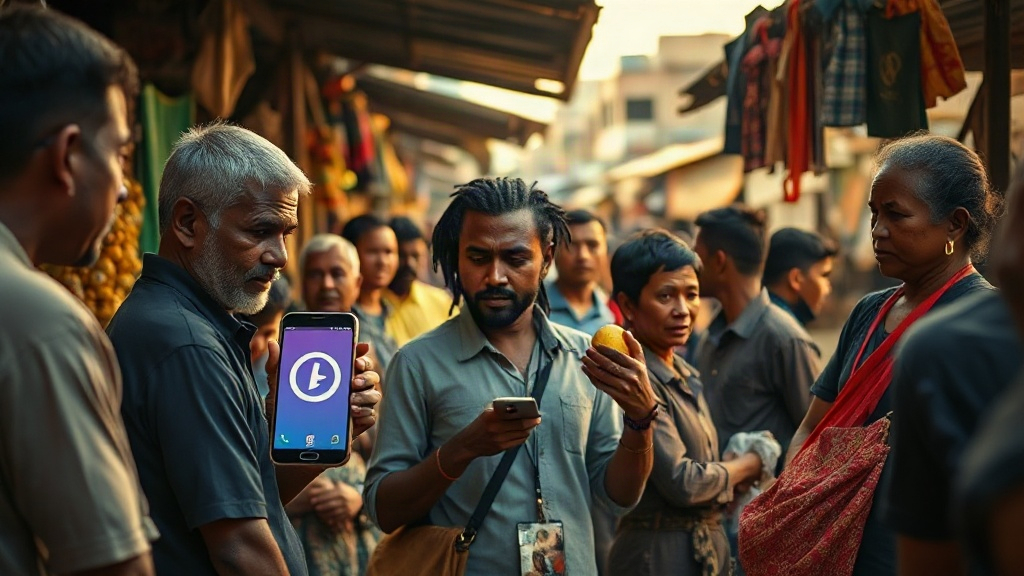
In countries such as Venezuela, Argentina, Bolivia, and Turkey, the adoption of USDT has significantly grown in recent years. This is primarily due to severe local currency depreciation, dollar shortages, and insufficient traditional financial services. In these regions, USDT is used in various practical scenarios: import and export settlements, commercial payments, peer-to-peer transactions, and as a store of value to hedge against inflation. Chainalysis data shows that Turkey, Venezuela, and Argentina all ranked among the top 20 in the 2025 Global Crypto Adoption Index, confirming the widespread demand for stablecoins in these economies.
Global Deployment of Physical Distribution Networks
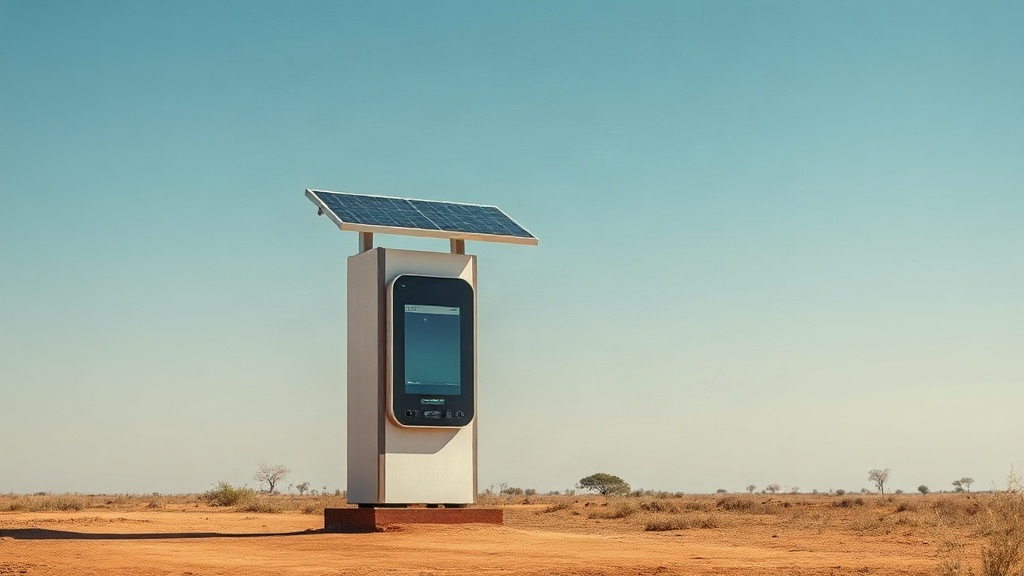
To achieve financial inclusion, Tether is actively expanding its offline reach. A landmark project involves deploying a network of solar-powered self-service kiosks in Africa, with plans to build 10,000 by 2026 and 100,000 by 2030, aiming to serve 120 million Africans. These kiosks will allow users to exchange fiat currency for USDT even without a stable internet connection, lowering the barrier to entry.
Addressing Regulation: Product and Reserve Evolution
Facing regulatory requirements in different jurisdictions, Tether has adopted a differentiated strategy. For the US market, it launched USAT in January 2026, a US dollar-backed stablecoin focused on the US market and issued by Anchorage Digital Bank. Concurrently, the company is accumulating substantial physical gold reserves, reportedly purchasing 1-2 tons per week. As of September 2026, its gold reserves were valued at approximately $23-24 billion. A physical audit by KPMG confirmed the existence of approximately 150 tons of gold reserves and verified that its reserves exceeded liabilities by $6.8 billion. CEO Paolo Ardoino stated that Tether no longer considers itself a "cryptocurrency company" but rather a "digital dollar and digital gold company."

Strategic Investments and Market Position
To enhance institutional adoption and infrastructure, Tether has made several strategic investments, such as investing in Latin American fintech company Parfin in November 2025 and Brazilian exchange Mercado Bitcoin in July 2026. These investments aim to solidify its position in key growth regions. As of November 1, 2026, USDT's market capitalization was approximately $179.97 billion, with a circulating supply of about 180.12 billion tokens, demonstrating its market dominance. Investors can view its latest market capitalization and circulating data on market platforms like Svmuu.
Challenges and Regulatory Environment
Despite its massive scale, Tether's global expansion is not without hurdles. In the EU economic area, access to USDT on regulated platforms is restricted as it has not yet obtained MiCA (Markets in Crypto-Assets Regulation) authorization. In the US, lawmakers are pushing frameworks such as the GENIUS Act, which demands stricter reserve transparency and compliance for stablecoins. Furthermore, pressure from competitors like the partnership between Binance and Circle, and historical questions regarding reserve transparency, remain ongoing challenges it needs to address.
Conclusion
Tether's global expansion strategy is a multi-layered blueprint: acting as an economic stabilizer in emerging markets, seeking compliance in developed markets, and building a stronger foundation of trust through gold reserves and physical networks. This series of initiatives clearly points to its vision of a "global currency." However, its ultimate success will highly depend on its continuous adaptability to different global regulatory frameworks and the market's long-term trust in its increasingly complex business model and reserve management.