The Origin and Design Mechanism of UST
TerraUSD (UST) was a cryptocurrency launched in late 2020 by Terraform Labs co-founders Do Kwon and Daniel Shin. Its core design philosophy was to function as an algorithmic stablecoin, aiming to maintain a 1:1 peg with the US dollar through a mint-and-burn mechanism involving LUNA (now LUNC), the governance token of the Terra ecosystem. This mechanism allowed users to mint 1 UST with $1 worth of LUNA, or redeem 1 UST for $1 worth of LUNA. Theoretically, this arbitrage opportunity was intended to ensure UST's price stability.

The Rise and Collapse of the Terra Ecosystem
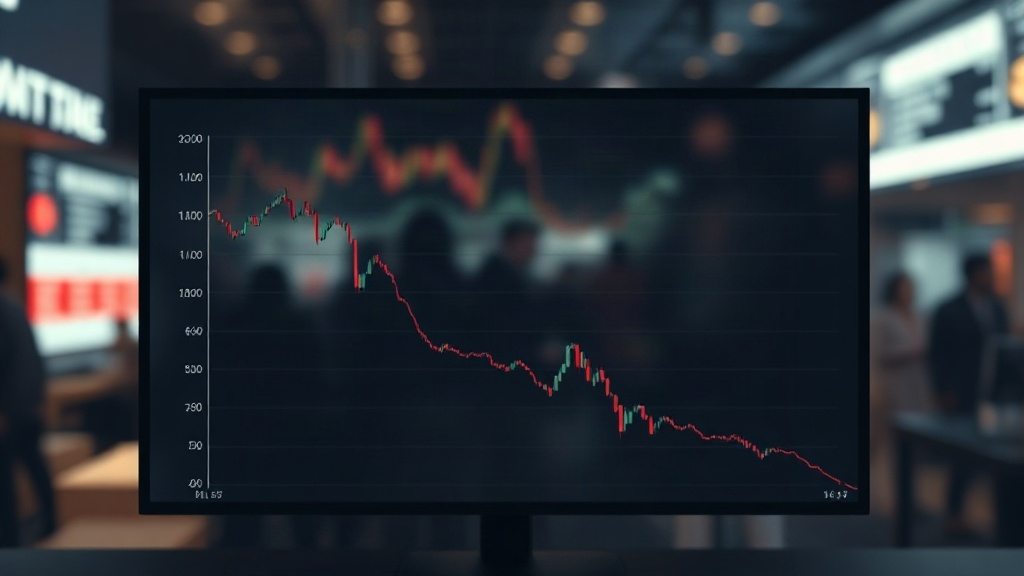
With its innovative algorithmic stablecoin mechanism, UST gained significant market attention and adoption in early 2022, briefly becoming one of the world's largest stablecoins, and the Terra ecosystem flourished. However, this growth came to an abrupt halt in May 2022. UST lost its dollar peg due to massive withdrawals and sell-offs, triggering a "death spiral": the selling of UST led to a large amount of LUNA being minted to maintain the peg, which in turn caused LUNA's price to crash, further exacerbating UST's de-pegging. In just one week, the total market capitalization of the Terra ecosystem evaporated by approximately $40 billion to $60 billion. This collapse not only dealt a devastating blow to the Terra project itself but also triggered a chain reaction in the crypto industry, leading to the bankruptcy of several prominent institutions, including Three Arrows Capital and Celsius.
Current Status of USTC and Community Recovery Attempts
After the catastrophic collapse, the original Terra blockchain was rebranded as Terra Classic, and UST was renamed TerraClassicUSD (USTC). USTC no longer functions as a stablecoin and is currently primarily regarded as a volatile speculative asset. Nevertheless, the Terra Classic community remains active and is actively promoting recovery plans for USTC. These efforts include implementing a transaction tax burn mechanism to reduce USTC's circulating supply, developing technical upgrades such as Market Module 2.0, and exploring various re-pegging proposals, such as the plan codenamed "Ziggy," which aims to attempt to restore USTC's stablecoin functionality.
Key Figures and Regulatory Response

Do Kwon, co-founder and CEO of Terraform Labs, received widespread attention after the UST collapse. He was indicted by US prosecutors in March 2023 on charges of alleged fraud. By December 2025, Kwon was sentenced to 15 years in prison for misleading investors and ordered to pay an $80 million civil penalty. He has pleaded guilty and apologized for the immense losses caused. The other co-founder, Daniel Shin, is also under investigation. The UST collapse also prompted global regulators to strengthen their scrutiny and legislation regarding stablecoins. For example, the EU's MiCA (Markets in Crypto-Assets) framework explicitly prohibits the issuance of unsecured algorithmic stablecoins, while the US GENIUS Act requires stablecoin issuers to hold 100% reserve backing.
Market Performance and Risks
As of November 2026, USTC's price is between approximately $0.0045 and $0.0058, with a market capitalization of approximately $25.3 million to $32.5 million, and a circulating supply of about 5.57 billion to 5.58 billion USTC. Its all-time high was $1.09, while its all-time low was $0.004064. The May 2022 collapse caused UST to fall from $1 to below $0.10, and LUNA to fall from approximately $116 to near zero. Given its historical background and current market position, USTC is a high-risk, volatile speculative asset, and its future development and value are highly uncertain.