Core Positioning and Design Objectives of DAFI Protocol
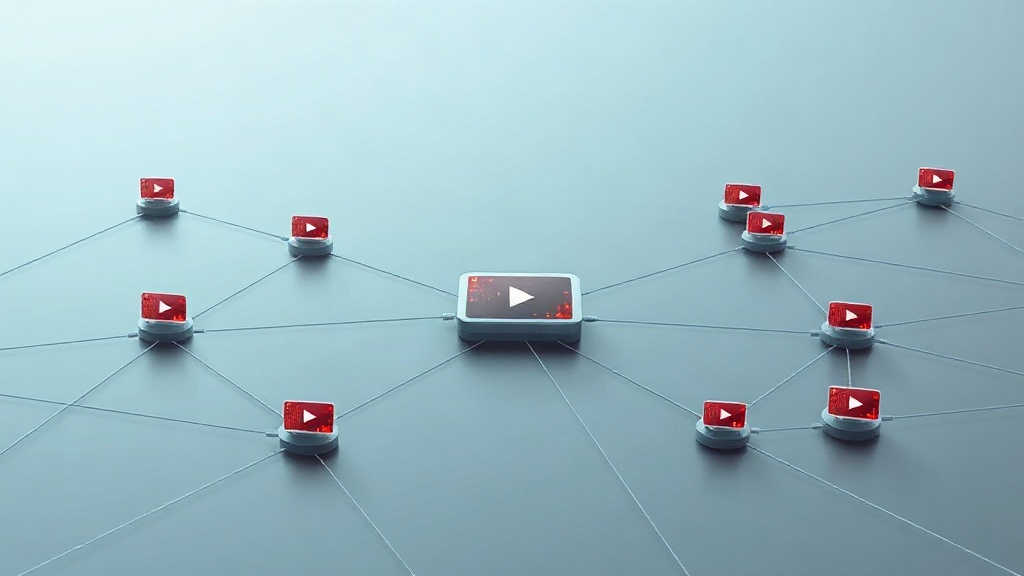
In traditional decentralized finance economies, many protocols heavily distribute native tokens early on to attract users, which easily triggers severe inflation, leading to subsequent token value dilution and selling pressure. DAFI Protocol is underlying infrastructure specifically designed to solve this industry pain point. The project allows any blockchain protocol and decentralized platform to transform originally fixed native tokens into synthetic tokens (dToken), thereby dynamically binding token release to the network's actual adoption rate and user demand.
Through this mechanism, when network demand is low or during the early adoption stage, the system can effectively control token supply and enhance scarcity; whereas when network demand rises, more rewards are distributed to truly long-term participating ecosystem contributors. This dynamically adjusted design aims to balance the interests of short-term speculation and long-term development.
Exploration of the DAFI Hybrid Exchange
In addition to its underlying synthetic token solution, DAFI has also launched the DAFI Hybrid Exchange. This product aims to combine the smooth user experience of centralized exchanges (CEX) with the security and asset self-custody features emphasized by decentralized exchanges (DEX), providing users with a trading environment that balances both efficiency and security.
DAFI Token Fundamentals and Market Status
As the core of the network ecosystem, the DAFI token undertakes functions such as governance and stake distribution in protocol operations. According to the latest market data, as of November 2026, DAFI's circulating supply is approximately 1.14 billion tokens, with a market capitalization of around $124,000. Traders and researchers can check the latest real-time prices, circulation data, and project progress of the token on market platforms such as Svmuu.
In the current market environment, as the crypto economy demands increasingly higher sustainability from tokenomics, models featuring dynamic release pegged to demand are receiving more attention. For the actual trading channels of this asset, it is recommended to carefully verify them on compliant platforms while factoring in liquidity conditions.