The Lowest Fees Are Not a Fixed Answer
The question of "which crypto platform has the lowest fees" is difficult to answer with a single platform. Trading costs are typically determined by a combination of spot or derivatives maker and taker fees, exchange token discounts, VIP tiers, limited-time promotions, fiat on/off-ramp costs, and bid-ask spreads.
Taking common public fee structures in 2026 as an example, Binance's base spot maker and taker fees are both 0.1%, and using BNB to deduct spot fees provides a 25% discount, reducing the rate to approximately 0.075%. OKX's regular user spot maker fee is around 0.08% and the taker fee is around 0.1%, with potential further reductions for holding OKB or achieving higher tiers.
Looking only at base figures, OKX's maker fee is lower than Binance's undiscounted rate. However, if a user is willing to hold and use BNB, Binance's discounted fee may be lower than OKX's regular maker fee. Some platforms have historically attracted users with limited-time low maker fees, but whether Bitcoin is currently tradeable and whether the platform is available in a given region are subject to actual platform support.
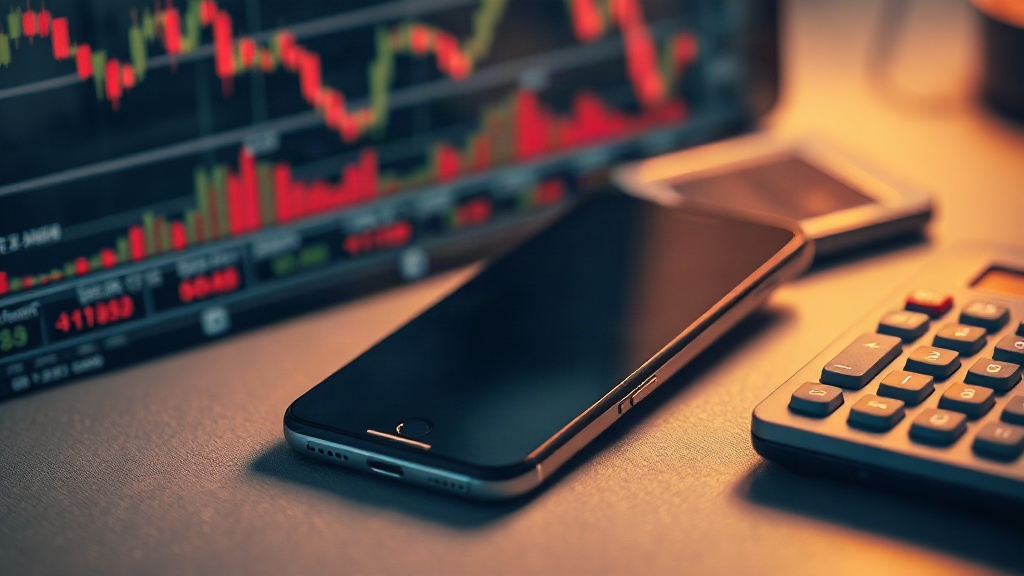
Bitcoin Trading Channels and Mobile Portals
Bitcoin can be traded on platforms such as Binance, OKX, Pionex, and WEEX. Specific trading pairs, regional availability, and deposit/withdrawal methods are subject to the platform's official pages. Most trading platforms typically provide mobile apps supporting market viewing, order placement, asset checking, and security settings.
When choosing a mobile portal, users should verify the app source through official channels, avoiding unfamiliar links or fake clients. Some jurisdictions impose access restrictions on cryptocurrency trading services, and users must comply with local laws and regulations before use.
Often-Ignored Costs When Comparing Fees
- Maker and Taker Fees: Active execution (taking) is typically more expensive, while passive (maker) strategies can lower costs.
- Exchange Token Deductions: Discounts may require holding or spending specific tokens; price volatility and usage thresholds should be evaluated.
- VIP Tiers: Trading volume, asset size, or margin requirements change fee rates, which regular users may not necessarily enjoy.
- Spread and Liquidity: Low fees combined with insufficient order book depth can lead to slippage.
- Deposits, Withdrawals, and Transacting: Fiat channels, on-chain transfer networks, and withdrawal fees can impact total costs more than trading fee rates.
Security and Compliance Checklist
- Check regulatory licenses, regional restrictions, and risk disclosures published by the platform.
- Enable basic security settings such as two-factor authentication (2FA), withdrawal whitelists, and anti-phishing codes.
- Verify official domains, official app store listings, and customer support entry points to prevent phishing.
- Pay attention to whether the platform has disclosed security incidents or regulatory penalties; for example, Binance disclosed a theft of approximately 7,000 Bitcoin in 2019, and users can review its subsequent announcements and security measures before use.
- Do not overlook fund safety and withdrawability simply because of "low fees."
Platform availability mentioned in the text changes dynamically as exchanges list or delist assets; please refer to official exchange announcements.