Core Types of OKB Storage Wallets
For users holding OKB (OKB), choosing the right storage tool is key to ensuring asset security. Mainstream OKB storage solutions are primarily divided into two major categories: non-custodial Web3 software wallets and hardware cold wallets. Each type of wallet has its own focus on convenience and security; users can reasonably evaluate and choose the most suitable asset management method according to their own needs, alongside checking relevant market data and news on Svmuu.
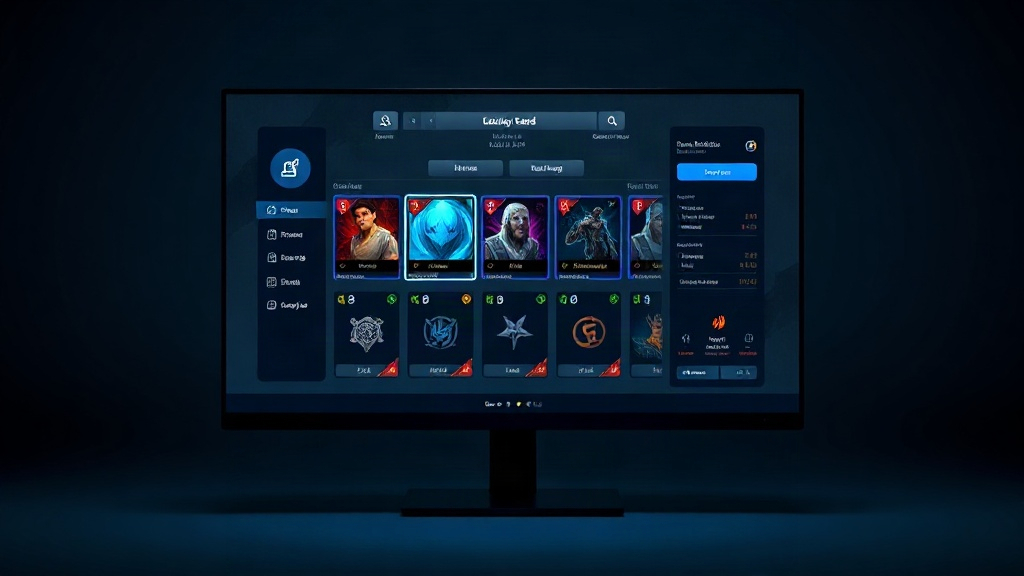
OKX Web3 Wallet
As an important part of the official ecosystem, the OKX Web3 Wallet is a non-custodial, decentralized multi-chain wallet. It supports storing, sending, receiving, and managing OKB and other digital assets across multiple mainstream blockchain networks (such as Ethereum, Solana, and OKX's proprietary X Layer). Due to its non-custodial design, private keys are controlled entirely by the user, reducing potential risks introduced by centralized custodian institutions.
Hardware Cold Wallets (e.g., Tangem, OneKey, etc.)
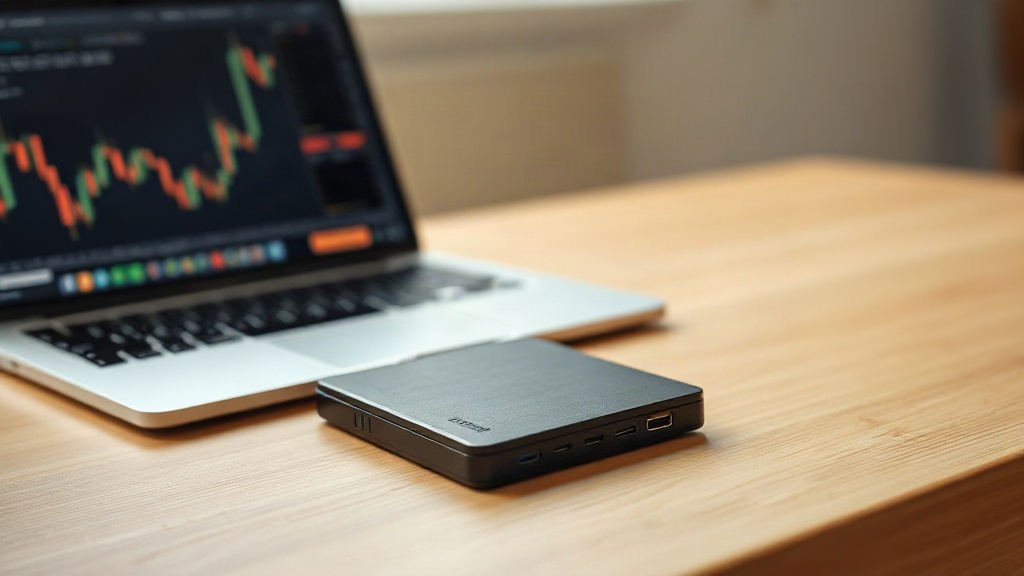
For users who prioritize the security of long-term, high-value assets, hardware wallets provide a physically isolated offline storage solution. For example, hardware wallets such as Tangem and OneKey both support the secure storage of OKB. Hardware wallets typically use independent secure chips to encrypt private keys and sign transactions in an offline state, effectively mitigating online cyber attacks and phishing risks.
Asset Storage and Usage Security Tips
When selecting and using an OKB wallet, properly backing up your seed phrase or private key is core to ensuring asset security. Whether using a multi-chain software wallet or hardware device, never disclose your seed phrase to any third party. Combining different types of wallets reasonably helps strike a balance between daily trading convenience and the long-term security of asset storage.