Overview of Triangular Consolidation Patterns in Cryptocurrencies
In technical analysis of cryptocurrencies, candlestick patterns serve as crucial tools for assessing the balance of power between bulls and bears. The triangular consolidation pattern is a classic consolidation and continuation pattern, typically appearing after a substantial price rally or decline. At this stage, bulls and bears enter a temporary tug-of-war, price volatility gradually narrows, and trading volume often shrinks accordingly, forming a converging range.
This pattern reflects heightened market wait-and-see sentiment or a phase of accumulation. By connecting the highs and lows of prices, two converging trendlines can be drawn. Based on the slope of these two trendlines and the positions of the highs and lows, triangular consolidation is primarily categorized into three types: symmetrical triangles, ascending triangles, and descending triangles.
Analysis of the Three Major Triangular Consolidation Patterns
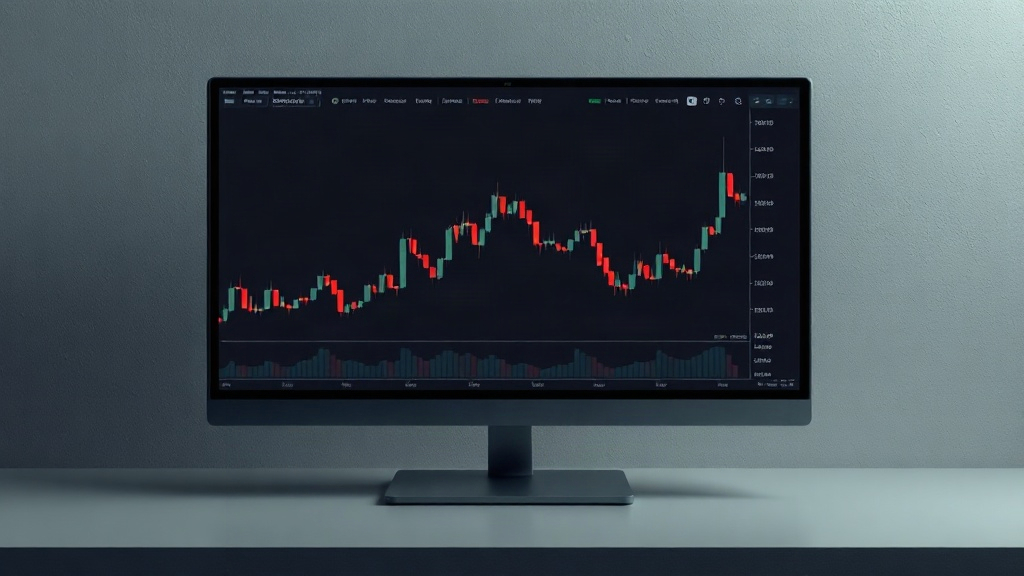
- Symmetrical Triangle: Formed by a downward-sloping upper trendline and an upward-sloping lower trendline, with declining highs and rising lows. This indicates a relatively balanced power dynamic between buyers and sellers; as the range continually narrows, the market is poised to choose a breakout direction. It typically tends to continue the prevailing trend.
- Ascending Triangle: Characterized by a horizontal resistance line for the upper boundary and a rising support line for the lower boundary. This reflects more aggressive buying pressure, with continuous accumulation at higher price levels, resulting in a relatively higher probability of an upward breakout.
- Descending Triangle: Features a downward-sloping upper trendline with progressively lower highs and a nearly horizontal support line for the lower boundary. This indicates heavy selling pressure and gradually lowering defense lines by buyers, carrying a higher risk of a downside breakdown.
How to Observe and Respond to Triangular Consolidation
For traders, the core of dealing with triangular consolidation lies in waiting for the market to break its equilibrium. Entering positions blindly before prices choose a clear direction entails significant uncertainty. Several key factors require close monitoring: first, whether the price achieves a valid breakout of the trendline accompanied by expanding trading volume; second, whether the breakout direction aligns with the preceding major trend; and third, strictly setting stop-loss orders to mitigate the risks posed by false breakouts. Technical analysis serves merely to assist in probability assessment; actual market trends are influenced by a multitude of macroeconomic and microeconomic factors and must be evaluated comprehensively alongside market conditions.