The New Landscape of the Cryptocurrency Market in 2026
Entering 2026, the cryptocurrency market has gradually moved away from its wild growth phase of purely relying on sentiment and concepts, transitioning comprehensively into a period of rational development driven by trends such as the expansion of spot ETF products, the compliance of stablecoins, continued institutional capital inflows, and the convergence of AI and blockchain. During this phase, leading digital assets continue to dominate the digital finance wave thanks to their technological ecosystems, liquidity, and compliance progress.
Overview of Core Representative Digital Assets
Top-ranking digital assets in terms of current market capitalization and ecosystem exhibit distinct functional positionings and technological advantages:
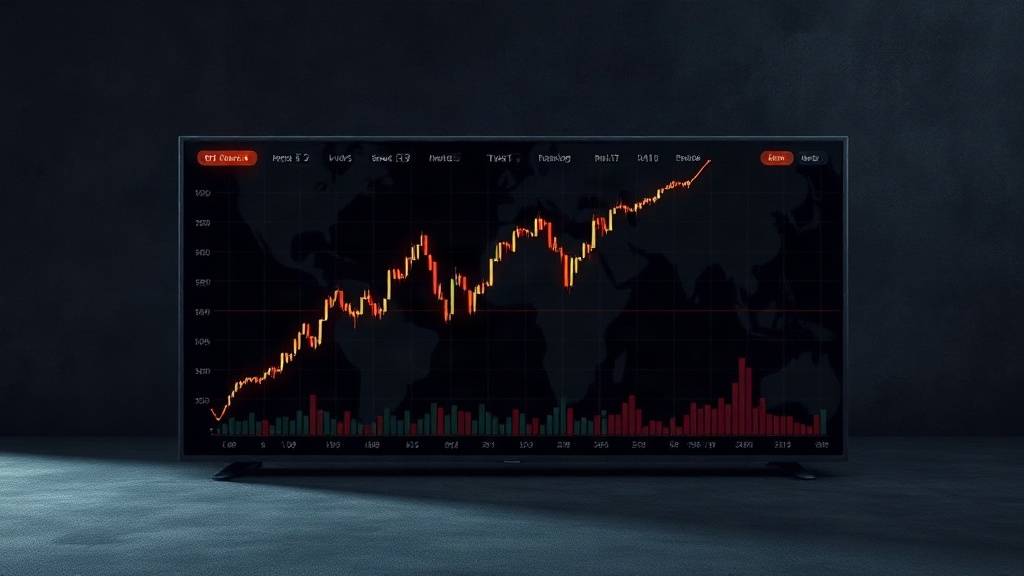
- Bitcoin (BTC): As the premier crypto asset, its value-storage attribute as digital gold, total supply scarcity of 21 million coins, and globally leading liquidity have been further reinforced following the implementation of spot ETFs and the participation of long-term capital such as traditional financial institutions and pension funds.
- Ethereum (ETH): As a core representative of smart contracts and application ecosystems, it continues to support decentralized finance (DeFi), digital collectibles, and Layer 2 scaling solutions, maintaining a leading edge in developer activity and institutional appeal.
- Solana (SOL): Backed by the high throughput and low gas fee advantages of a high-performance public chain, it has staged a clear recovery in DeFi and on-chain active applications, with a notable return of ecosystem capital.
- BNB: Functioning as the utility asset for a leading exchange ecosystem, it benefits from the platform's business expansion, multiple application scenarios, and continuous buyback-and-burn mechanisms.
- XRP: Focusing on cross-border payments and clearing tracks, it has regained market attention in cross-border settlement applications as regulatory progress and potential partnerships with financial institutions advance.
- Stablecoins (such as USDT, USDC): Playing a pivotal role as daily payment settlement tools and liquidity bridges amidst the compliance process.
- Chainlink (LINK): Serving as an essential bridge for cross-chain and real-world asset (RWA) tokenization, connecting on-chain and off-chain data.
- Litecoin (LTC): Continuously advancing technological upgrades, with plans to introduce extended features such as LitVM.
Driving Factors of Future Digital Finance Trends
Assets leading the future trend of digital finance will no longer rely solely on short-term hype, but rather on their practical application scenarios and macro compliance processes. With the normalization of spot ETFs, the deep allocation of traditional financial institutions, and the rollout of blockchain infrastructure in fields like cross-border settlement and asset tokenization, leading virtual currencies are profoundly reshaping the operational efficiency of the global financial system.