Choosing a Cryptocurrency Trading Platform
The first step in buying digital assets is to choose a reputable and compliant centralized exchange, such as Binance, OKX, Coinbase, or Gate. When making a selection, beginners should focus on evaluating the platform's security, proof of reserves, fee structure, and the types of fiat currencies and tokens supported, ensuring that the platform has a strong industry reputation and robust protection mechanisms.
Account Registration and Identity Verification (KYC)
Once you have selected a platform, you need to register an account using an email address or mobile phone number. To comply with global financial regulations and anti-money laundering (AML) requirements, users must complete identity verification (the KYC process). This typically requires submitting a government-issued valid identity document (such as a passport or driver's license) and completing facial recognition or liveness detection. Full trading and deposit privileges will be unlocked only after verification is approved.
Fiat Deposit and Funding
After completing account verification, the next step is to deposit fiat currency (such as USD, EUR, etc.) into the platform or directly convert it into digital assets. Common deposit methods include bank wire transfers, debit or credit card payments, and third-party payment gateways supported by the platform. Peer-to-peer (P2P) trading is also supported in certain regions and channels; users should choose the safest and most appropriate payment channel based on the compliance regulations of their jurisdiction.
Selecting Tokens and Placing Orders
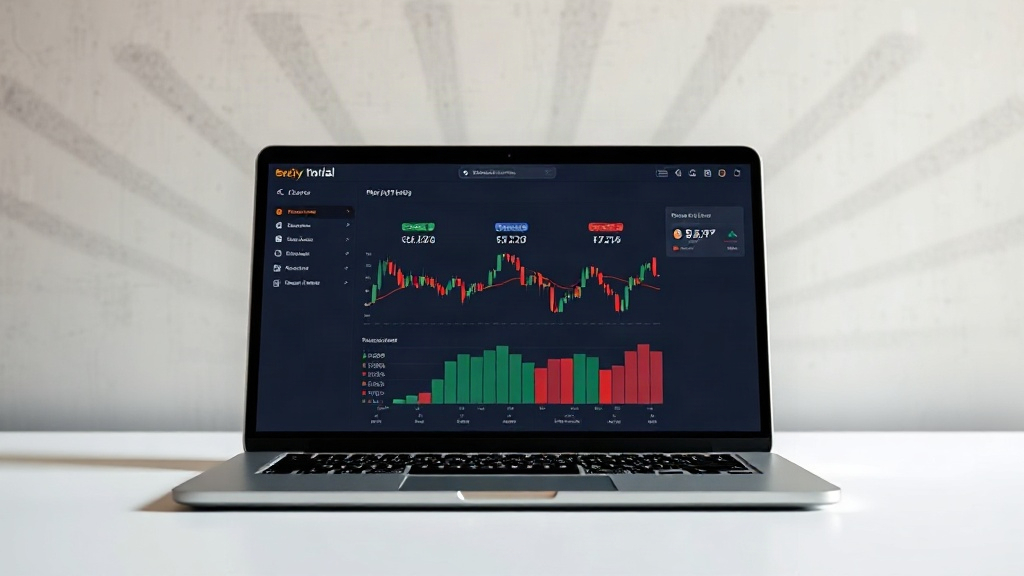
For beginners, it is recommended to start with mainstream digital assets featuring high liquidity and strong consensus, such as Bitcoin (BTC), Ethereum (ETH), or USD-pegged stablecoins (USDT, USDC). When placing an order in the trading interface, there are two primary order types: market orders (executed instantly at the best current market price) and limit orders (setting a specific target price that executes automatically once the market price reaches it).
Asset Storage and Security Management
Once purchased, assets are stored by default in the exchange's custodial wallet. For enhanced security, it is recommended to transfer long-term holdings to a software wallet or cold storage hardware wallet where you retain control of your private keys. Regardless of the storage method chosen, you must properly back up and securely store your seed phrase and private keys, and never disclose them to anyone to prevent asset loss or theft.