Storage Node Mechanism of the Storj Network
Storj is a decentralized cloud storage network whose core philosophy is to encrypt, shard, and distribute user files across independent nodes worldwide. Unlike traditional Proof-of-Work (PoW) token generation methods that rely on computational power races to solve puzzles, Storj does not feature a traditional "mining" process. Users participate in the Storj network by becoming Storage Node Operators (SNOs), providing distributed storage services by renting out their idle hard drive space and network bandwidth, and earning STORJ tokens as financial returns in the process. Real-time market quotes and project-related news can be viewed on Svmuu.
Hardware and Network Configuration Requirements
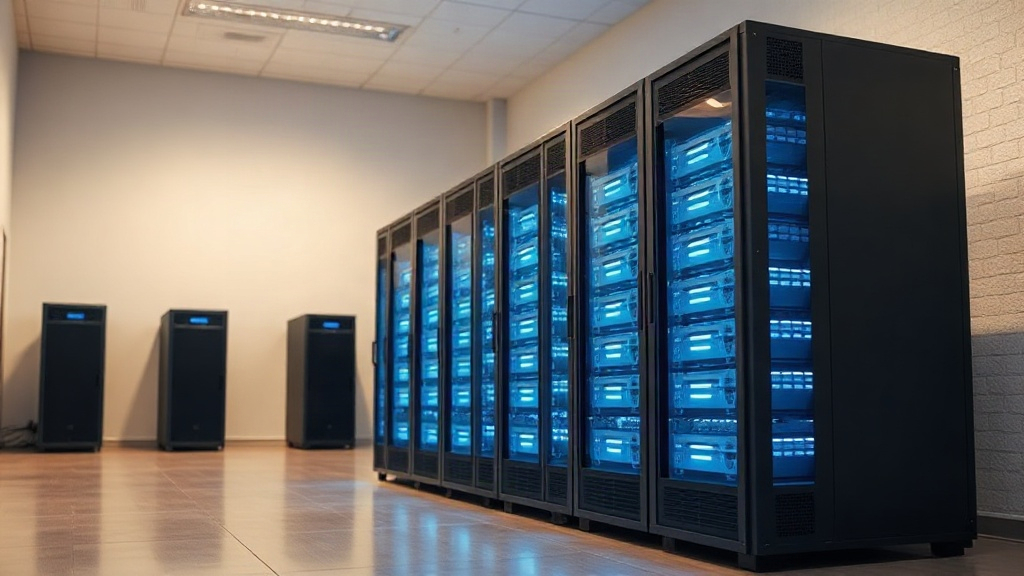
Running a Storj node does not require purchasing expensive specialized mining rigs. The official team and community generally recommend utilizing existing idle equipment capable of maintaining 24/7 continuous uptime, such as old computers or Network Attached Storage (NAS) devices. In terms of hardware and networking, nodes typically need to meet several basic conditions: first, hard drive storage space—it is recommended to reserve at least 500 GB to 550 GB or more of available space; second, a stable network connection with sufficient bandwidth; and finally, configuring port forwarding on the router to ensure specified TCP ports are open and the UDP-based QUIC protocol is supported, allowing the network to successfully access the node and transfer encrypted data.
Core Steps for Setting Up a Storage Node
Setting up a Storj storage node mainly involves the following key stages: The first step is to prepare a crypto wallet address capable of receiving earnings; the second step is to configure router port forwarding to ensure external traffic can be correctly routed to the node device; the third step is to generate a node identity, which is the unique identifier of the node within the Storj network and typically needs to be signed using an authorization token; the fourth step is to download and install the official storage node software. Currently, Storj supports the Windows Graphical User Interface (GUI), Command Line Interface (CLI), Docker containers, and some mainstream NAS systems. Once installed and configured, the node can start up, join the network, and wait for data allocation.
Node Operations Earnings and Precautions
The actual earnings of a Storj node are not fixed; they primarily depend on the amount of data stored by real users on the network and the actual bandwidth traffic generated. New nodes joining the network typically need to go through an initial vetting and data filling phase, and earnings may not materialize immediately. Since hardware and electricity costs must be borne by the node operators themselves, it is recommended to evaluate local electricity costs, hardware wear and tear, and actual network conditions before deciding to set up a node, and to maintain a rational perspective on the economic returns brought by the sharing economy.