KPAD (KickPad) is a decentralized IDO (Initial DEX Offering) incubation and launchpad project built on Binance Smart Chain (BSC), with its native token being KPAD. In the cryptocurrency market, launchpad projects primarily act as a bridge between early-stage startups and investors, while KPAD's core design intention is to address the trust crises and security risks commonly found in early token offerings through technological means.
Project Positioning and Core Operating Mechanism of KPAD
As a decentralized launchpad, KPAD's core function is to provide fundraising channels for high-quality crypto startups while opening up pathways for retail investors to participate in private or public sales of projects. In traditional early token offerings, investors frequently face the massive risk of project creators absconding with funds (i.e., an "exit scam" or Rug Pull). To boost investor confidence, KPAD introduces anti-fraud mechanisms into its architecture, such as Automatic Liquidity Locking, where tokens in the liquidity pool of a project creator are forcibly locked by a smart contract for a period of time after fundraising, preventing them from being maliciously withdrawn directly by the team.
Additionally, the platform allocates token subscription allocations through a tiered staking system. Users are required to stake or hold a certain amount of KPAD tokens to gain the corresponding tier of participation eligibility. In theory, this mechanism aligns the interests of token holders with the long-term ecosystem of the launchpad, reducing the selling pressure caused by short-term speculation.
Tokenomics and Use Cases of KPAD
The KPAD token is positioned as a membership utility token. Its primary use cases are manifested within the platform ecosystem: first as an access credential, where users must hold or stake KPAD to unlock early investment allocations in high-quality crypto projects on the platform; second as governance and community participation, where token holders may hold voting rights in specific ecosystem decisions. However, the value of such utility tokens is highly dependent on the revenue-generating capacity and project attraction of the launchpad itself. When the platform can continuously incubate star projects pursued by the market, user demand for KPAD tokens will rise; conversely, if high-quality projects are scarce, the token's utility will plummet significantly.
Market Performance and Current Status Analysis of KPAD
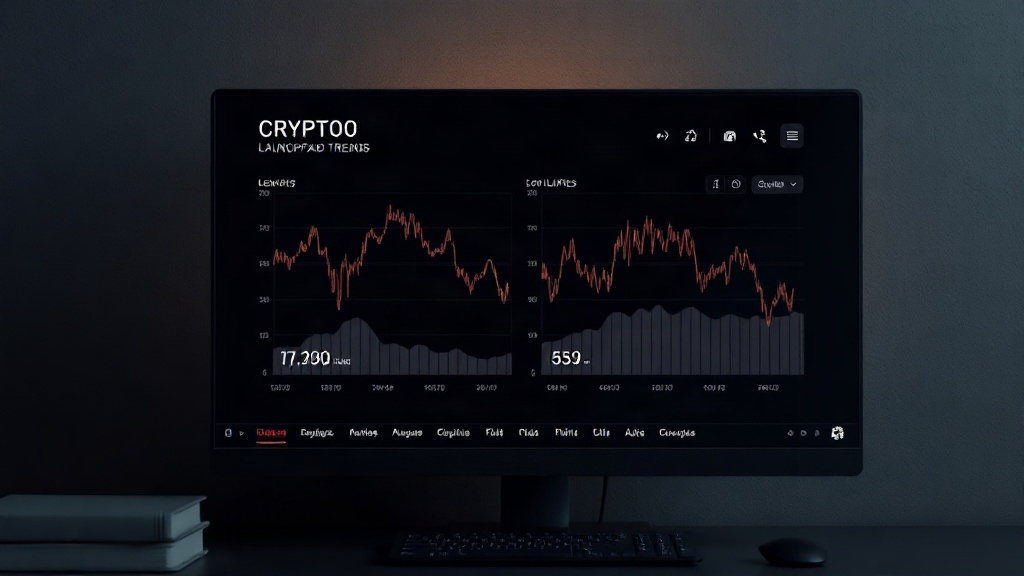
From the perspective of actual market performance, KPAD has experienced significant volatility. According to historical and spot data from multiple crypto data aggregation platforms (such as CoinCodex, Coinbase, and CryptoRank), KPAD's current price has suffered an extremely steep retracement from its all-time high (ATH), overall nearing zero or residing in an extremely low percentile range. Concurrently, its on-chain transaction activity, daily trading volume, and the platform's project launch frequency all exhibit clear shrinkage trends. This indicates that the project has gradually lost its original market share and user attention amidst fierce competition in the launchpad sector.
Future Development Prospects and Risk Assessment of KPAD
Synthesizing the current industry environment and platform fundamentals, the market largely holds a cautious or bearish attitude toward the future development prospects of KPAD coin. Crypto prediction models and analyses generally point out that it faces a high degree of uncertainty. On one hand, with the evolution of mainstream public chain ecosystems and the rise of emerging launchpads (such as Launchpads based on ecosystems like Solana and Base), older-generation launchpads on the BSC chain are facing severe capital and traffic siphon effects; on the other hand, due to the dry-up of secondary market liquidity, token holders' willingness to sell forms a negative feedback loop with sluggish buying interest, further exacerbating downward price pressure.
For participants monitoring this category of assets, KPAD coin currently exposes clear liquidity risks and business continuity risks. The lack of continuous high-quality project supply and an active community ecosystem makes it extremely difficult to reverse its downward trend in the future. When participating in or evaluating such assets, one must fully recognize the high speculativeness and potential zeroing risk of the crypto startup incubation sector.