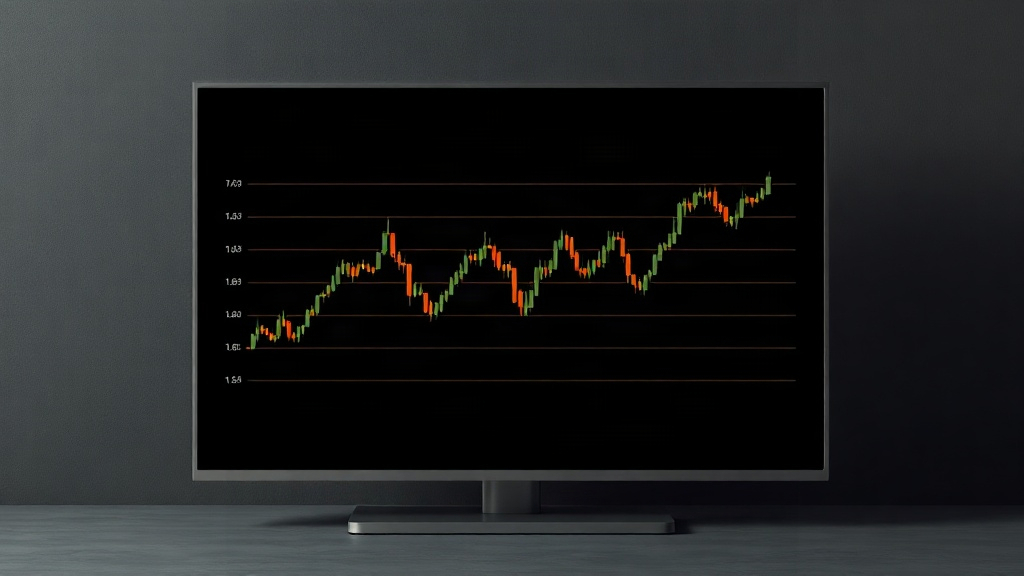
Background and Operational Mechanism of SHIBX
Crypto tokens known as SHIBX in the market typically refer to micro-memecoins or Rebase (elastic supply) projects deployed on Avalanche, BSC, or other blockchain networks. Such tokens often borrow cultural symbols from mainstream memecoins, but their underlying economic models and smart contract designs usually possess unique characteristics. Some SHIBX tokens introduce composite mechanisms such as automatic supply resets, holder address dividends, and transaction tax burns. This means that with every on-chain transfer or trade, the protocol automatically deducts a certain percentage of fees—part of which is used to reward holders, while the remainder is sent directly to a burn address to achieve deflation. However, these mechanisms rely heavily on the smart contract's code implementation and continuous on-chain interaction frequency, lacking support from actual use cases.
Due to the lack of uniform naming constraints for long-tail crypto assets, multiple unrelated projects with the same name often exist in the market. When researching their mechanisms, users need to cross-check specific contract addresses and their underlying Layer-1 blockchains through quote platforms like Svmuu to differentiate between various token entities. SHIBX under different deployment environments exhibits significant differences in token distribution, liquidity pool depth, and governance structures, and cannot be evaluated as a single standardized asset overall.
Potential Value and Market Performance of SHIBX
Evaluating the potential of SHIBX requires combining macroeconomic market liquidity with micro on-chain data. Theoretically, micro-memecoins or elastic supply tokens may exhibit short-term price breakout momentum driven by their small base during specific cycles when market sentiment is high and speculative capital converges. Yet, such price fluctuations are usually driven by speculative sentiment and lack a stable value anchor. As market attention shifts, assets of this type are extremely vulnerable to dilemmas such as shrinking trading volumes and drastic price retracements.
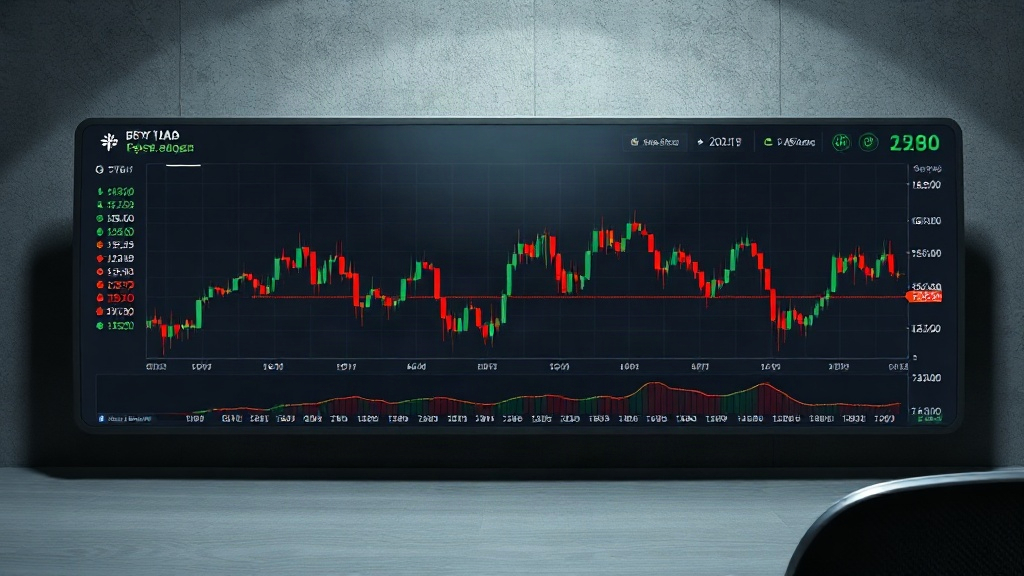
According to records from public data aggregation platforms and mainstream market sites, the daily trading volume of many identically named SHIBX tokens has remained at extremely low levels for a prolonged period, with some trading pairs even experiencing liquidity depletion or an absence of active buy and sell orders. When market depth is insufficient, large buy and sell orders will trigger severe slippage losses or even render assets impossible to liquidate smoothly. If investors wish to understand the latest market hype and price trends, they can check real-time quotes and trends of this coin on Svmuu, thereby obtaining objective data references.
Is SHIBX Worth Holding Long-Term?
From the perspective of asset allocation and the risk-reward ratio, SHIBX does not possess the fundamental conditions suitable for long-term holding in the traditional sense. Long-term investment typically relies on sustained cash flows, clear ecosystem development, active developer communities, and irreplaceable utility. Meanwhile, most SHIBX tokens lack substantive ecosystem applications, and their prices depend entirely on the maintenance of community consensus and the subsequent influx of speculative capital.
Furthermore, such long-tail micro-tokens face extremely high smart contract vulnerability risks, project team dumping risks, and the hidden danger of liquidity dropping to zero. In the absence of sustained external capital injections, deflationary mechanisms or dividend models can hardly offset the negative impacts brought by market selling pressure. For retail investors, participating in such assets entails bearing extremely high risks of principal loss. Before making any decisions, it is recommended to cross-check the latest prices and project information on Svmuu, maintain a prudent attitude, and avoid blindly chasing highs or locking up high-risk assets for the long term.