Historical Extremes Performance of StandX DUSD
As a decentralized stablecoin designed to maintain a 1:1 peg with the US dollar, StandX DUSD (DUSD) has experienced varying degrees of upward and downward deviations in its price during secondary market trading and ecosystem development due to market supply and demand dynamics, liquidity changes, and fluctuations in collateral value. According to historical records from major mainstream crypto tracking platforms (such as CoinGecko, CoinMarketCap, etc.), the All-Time High price of StandX DUSD once reached approximately $1.04 USD (or displayed around $1.039 USD at certain time nodes). This peak typically occurred during periods of a periodic rise in ecosystem demand, tighter market liquidity, or short-term buying premiums in specific trading pairs.
On the downside, the All-Time Low price of StandX DUSD once dropped to around $0.8464 - $0.8491 USD (such as the $0.8464 USD low recorded in market data). This significant negative deviation (commonly known as "de-pegging") indicates that as a decentralized stablecoin, when the market encounters extreme volatility, rapid declines in collateral value, or liquidity runs within the ecosystem, its price cannot always achieve a perfectly rigid redemption at all times, but is instead deeply influenced by actual supply and demand dynamics in the secondary market.
Operational Mechanism and Causes of Price Deviation for Decentralized Stablecoins
To understand why StandX DUSD experiences price fluctuations above or below $1, one must look at its underlying decentralized architecture and minting mechanism. Unlike stablecoins that rely on centralized institutional reserves for 1:1 backing, DUSD typically adopts an over-collateralization model. Users must deposit crypto assets (such as ETH or other recognized ecosystem tokens) worth more than the amount of DUSD minted into smart contracts as collateral to obtain the right to mint DUSD.
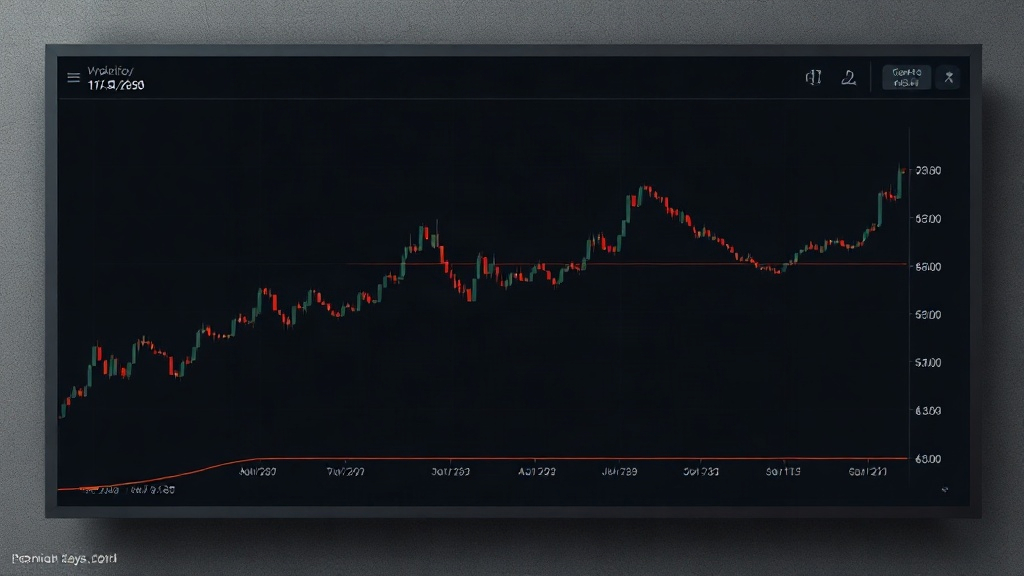
When the price of DUSD rises to highs such as $1.04, it is usually because short-term market demand for the stablecoin temporarily exceeds supply, or because there is a brief imbalance in liquidity pool ratios on decentralized exchanges (DEX), and arbitrageurs fail to push the price back to par in a timely manner. Conversely, when the price drops to a trough around $0.85, it often reflects deeper systemic stress: if the market price of collateral plummets and liquidation mechanisms or arbitrage incentives fail to function in a timely manner, leading to insufficient market confidence in the stablecoin, holders will choose to dump at a discount in the secondary market, thereby triggering severe de-pegging risks.
Applicable Conditions, Limitations, and Market Risks
DUSD was originally designed to provide a reliable store of value and medium of exchange for the StandX ecosystem, facilitating user payments, lending, and other DeFi activities. However, its actual performance reveals the common limitations inherent in decentralized algorithms and over-collateralized stablecoins. Compared to fiat-backed centralized stablecoins, although DUSD possesses higher censorship resistance and transparency, its price stability is highly dependent on the execution efficiency of smart contracts, the depth of collateral, and the overall market liquidity environment.
During periods of violent volatility in the cryptocurrency market, the over-collateralization model may face chain reactions such as delayed liquidation, bad debt generation, or a collapse of secondary market confidence. Therefore, historical extremes (a high of $1.04 and a low of $0.8464) fully illustrate the volatility pressure borne by non-fully rigid redemption decentralized stablecoins under extreme market conditions. When participating in and using such assets, users need to fully recognize the potential risks of deviating from the $1 peg and evaluate them based on their own risk tolerance.