



In cryptocurrency trading, transferring assets safely and accurately to a trading platform is the first step to starting your trading journey. As one of the mainstream cryptocurrency trading platforms, the Bitget exchange supports direct cryptocurrency deposits as well as a variety of fiat currency purchase and deposit channels. When depositing assets, users not only need to master the specific page operation procedures, but also strictly adhere to key security guidelines such as blockchain network selection, memo/tag entry, and identity verification to avoid the risk of asset loss. Relevant market trends and project updates can be comprehensively viewed and verified on Svmuu.
Bitget Exchange Cryptocurrency Deposit Procedures and Network Selection Guidelines
Cryptocurrency deposits refer to transferring digital assets stored in external personal wallets (such as self-custodial wallets) or other exchange accounts into a Bitget account via blockchain transfers. The platform itself does not charge additional fees for cryptocurrency deposits, but on-chain transfers require network miner fees (Gas fees) corresponding to the blockchain network used. Specific operating procedures vary slightly depending on the terminal:
When operating on the App, users need to log into the Bitget mobile client and tap the "Deposit" or "Add Funds" button on the main interface. Select "Deposit Crypto" under the "I have crypto assets" section, and then enter or select the coin you wish to deposit (such as USDT, BTC, etc.) from the coin list. After selecting the coin, the system will prompt you to choose the corresponding blockchain network (for example, USDT supports TRC-20, ERC-20, BEP-20, etc.). Once selected, the system will automatically generate a dedicated deposit address along with its corresponding QR code. Users can copy this address or use an external wallet to scan the QR code to initiate the withdrawal.
When operating on the web version, users log into the Bitget official website, click the "Wallet" or personal avatar icon in the upper right corner, and select "Deposit" from the drop-down menu. After entering the asset deposit page, you similarly need to select the coin to be deposited and the correct blockchain network in sequence, and then copy the deposit address generated by the system.
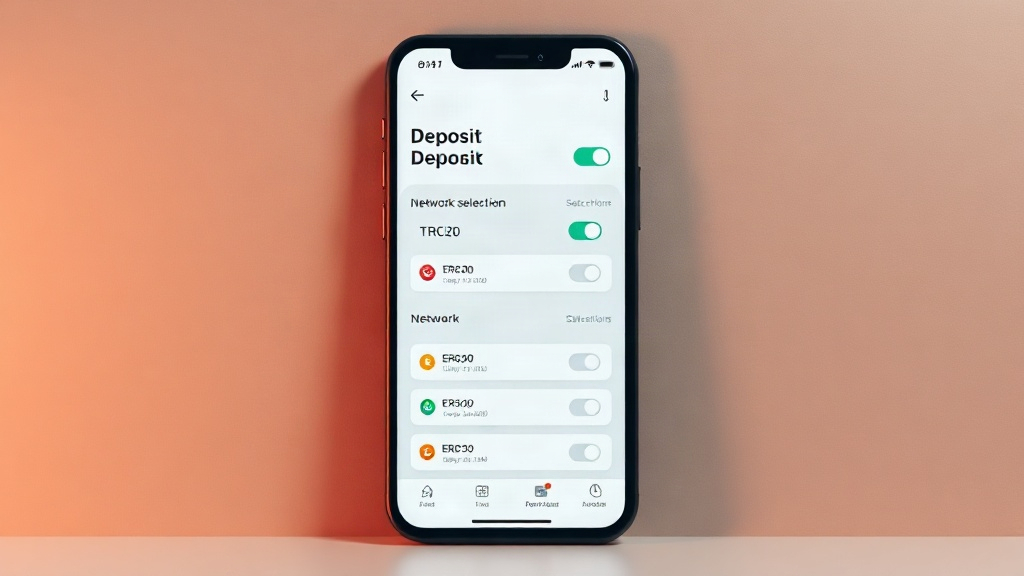
Network selection guidelines are the most core security element in the deposit process. The blockchain network chosen by the source platform or wallet from which assets are withdrawn must match the network selected on the Bitget receiving end exactly. For example, if the source platform sends USDT via the TRC-20 network, the Bitget receiving end must also select TRC-20. If the networks do not match (such as mistakenly selecting ERC-20), it is highly likely to result in permanent and unrecoverable loss of assets. In addition, certain specific coins (such as tokens that require a Memo, Tag, or Comment) will clearly prompt the user to fill in a tag on the deposit page. Users must fill in this tag accurately on the withdrawal end as well, otherwise the assets cannot be credited properly.
Main Methods and Prerequisites for Fiat Deposits and Buying Crypto on Bitget Exchange
For users who do not yet hold cryptocurrencies and wish to enter the market directly using traditional fiat currencies (such as USD, EUR, and other supported local fiat currencies), Bitget provides a variety of fiat deposit and purchase channels. The main methods include quick payment via credit or debit card, C2C peer-to-peer trading (using fiat currency to buy crypto directly from verified merchants), bank transfers, and third-party payment channels.
Before using fiat deposits or purchasing crypto via C2C, users generally need to meet a prerequisite—completing Bitget's identity verification (KYC). Passing basic or advanced identity verification not only unlocks the corresponding fiat payment channels but also increases the account's daily and monthly deposit and trading limits, ensuring the compliance and security of fund operations.
Cryptocurrencies obtained through fiat purchases or C2C exchanges (usually stablecoins such as USDT) will automatically enter the user's unified account balance. These assets can be used directly for spot trading, futures margin trading, or various wealth management products, eliminating the need for cumbersome internal transfers between multiple independent sub-accounts and enhancing the efficiency of capital utilization.









