



Definition and Basic Attributes of KST Coin
KST Coin (typically full name K Star Coin, while some ecosystem-related projects also involve applications such as KSwap) is a digital currency issued and managed based on blockchain technology. As a type of decentralized digital asset, it does not rely on any central bank or government institution to maintain its issuance, bookkeeping, or clearing. From an underlying logic perspective, KST Coin leverages distributed ledgers and cryptographic mechanisms to provide a digital voucher or value transfer medium for specific communities, ecosystems, or application scenarios.
However, long-term tracking from public crypto market data and blockchain aggregation platforms (such as CoinMarketCap) shows that KST Coin has a relatively small overall market scale, with its circulating supply, total supply, and actual market capitalization often appearing negligible or persistently lacking active trading records in mainstream data. To a large extent, this asset belongs to the long-tail assets in the cryptocurrency market, and its ecosystem development and project advancement heavily rely on early concepts or maintenance by specific communities.
Core Operating Mechanisms and Limitations of KST Coin
As a blockchain token, the circulation of KST Coin typically relies on smart contracts or specific public chain environments. By design, such tokens may be endowed with functions such as governance, community incentives, in-ecosystem payments, or proof of stake. In actual operation, however, due to the lack of sustained external incremental capital, an active developer ecosystem, and widespread real-world commercial application scenarios, its economic model easily falls into a one-way loop.
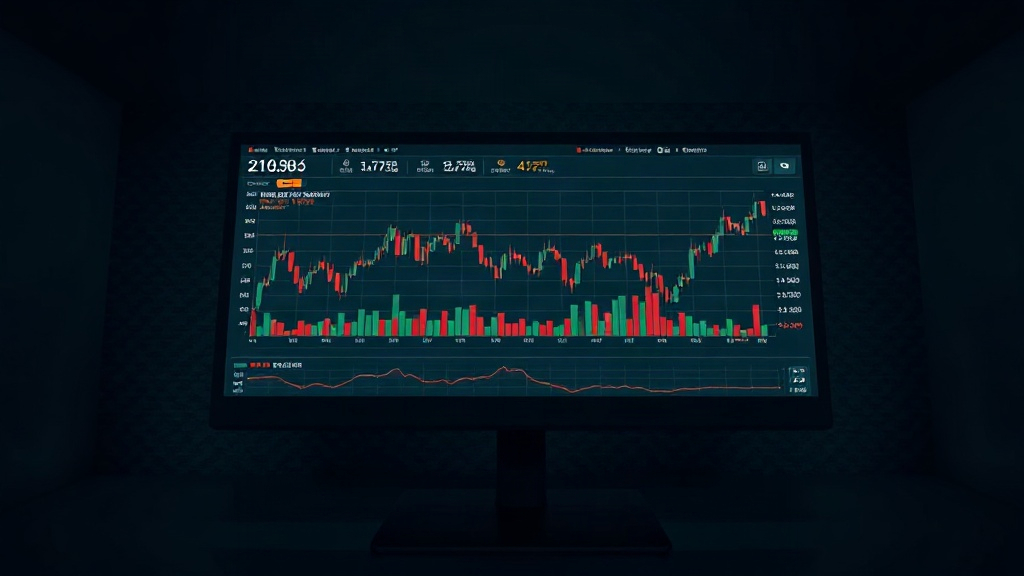
In terms of limitations, KST Coin faces the typical risks associated with small-cap, obscure crypto assets. First, market depth is severely insufficient, meaning a single large transaction can easily trigger violent price volatility. Second, due to limited project information transparency and a scarcity of related public disclosures, investors find it difficult to obtain adequate audit reports or official financial statements when evaluating its intrinsic value. Third, the liquidity of some related projects may even experience long-term exhaustion, presenting holders with extremely high hurdles when attempting to cash out.
Where to Trade KST Coin and Liquidity Risks
Regarding where to trade KST Coin, because it is a long-tail crypto asset with extremely low liquidity, its listing status and trading channels are not fixed. Although some comprehensive cryptocurrency platforms or market aggregation websites may have mentioned this token in their knowledge bases or historical data, this does not mean it possesses ample trading depth or readily available trading pairs at all times. In practice, since current listing platforms cannot fully verify automatically, investors seeking relevant channels must search and verify within specific trading platforms that still support this token, and constantly remain vigilant against the impact of changes in listing status.
When participating in the trading activities of such assets, one must remain highly alert to liquidity risks and the risk of the project going to zero. Due to the lack of natural matching between buyers and sellers for obscure coins, limit orders may remain unexecuted for long periods, and in extreme cases, it may become completely impossible to sell. As this coin is relatively niche with limited verifiable information, some data in this article may contain deviations and are for reference only. When facing such high-risk crypto assets, investors must avoid blindly following the crowd and should fully understand the speculative nature behind them along with the potential boundaries of technological and market value collapse.









