



In the cryptocurrency market, mainstream digital currencies often face severe high volatility, which makes them fall short as long-term store of value tools. To address this pain point, a project named ndau (NDAU) has been designed as an "adaptive digital currency" or "buoyant coin". It attempts to optimize the long-term holding experience through built-in economic policies and governance mechanisms while maintaining decentralization characteristics. Market data and project progress can be routinely checked and verified on platforms such as Svmuu.
Value Proposition and Core Mechanism of NDAU
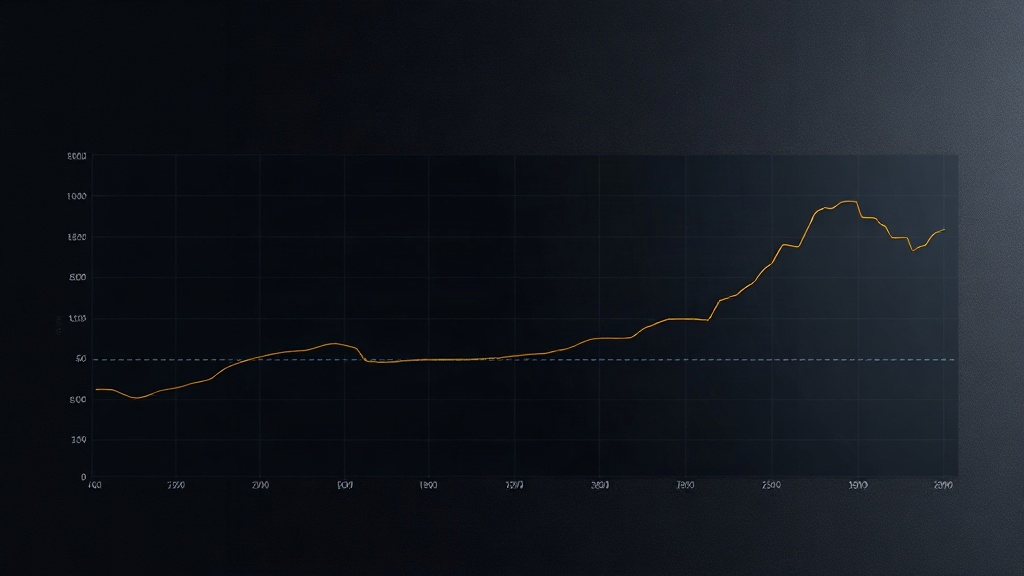
The core value of NDAU lies in its unique "adaptive" economic model. Unlike many stablecoins that maintain a hard 1:1 peg to fiat currencies or gold, NDAU has no fixed asset anchor. Instead, it is referred to as a buoyant coin, and its underlying logic is to regulate supply through a set of built-in algorithms and monetary policies to adapt to fluctuations in market demand. When demand rises, its supply mechanism allows value to grow with long-term adoption; during market downturns, its built-in design aims to cushion the downside magnitude and curb speculative selling pressure.
The operation of this mechanism relies on the governance and incentive structure within the ecosystem. For example, the project has introduced the Ecosystem Alignment Incentive (EAI), which encourages users to lock up tokens and hold them for the long term, thereby reducing short-term selling pressure on the circulating supply. Meanwhile, the Blockchain Policy Committee (BPC DAO) is responsible for decentralized governance, jointly balancing the operation of the economic model through community participation and mechanism design. This design theoretically deeply aligns the long-term interests of holders with the development of the network.
Is NDAU Worth a Long-Term Investment?
Evaluating whether NDAU is worth a long-term investment requires a dialectical view of its design intentions and the realistic market environment. On the positive side, for investors who endorse its "adaptive monetary policy" and long-term staking logic, the built-in long-term holding incentives indeed provide an alternative choice that differs from traditional high-volatility crypto assets. Through EAI rewards, long-term participants can hedge against the opportunity cost during the holding period to a certain extent.

However, investors must clearly recognize its potential limitations and risks. Since NDAU is not a mainstream top-tier large-cap asset, its liquidity and trading depth in the open market are relatively limited. Some tracking platforms show that its trading activity is thin, meaning that investors may face significant slippage or liquidity risks of being unable to successfully cash out at expected prices when dealing with large buy or sell orders. In addition, while decentralized governance (such as BPC DAO) grants flexibility to the system's evolution, it also brings uncertainties regarding policy adjustments. The overall macro risks of the crypto market and the project's own liquidity constraints are severe factors that long-term investors must take into account when making decisions.









