



Global Mainstream Cryptocurrency Trading Platform Rankings and Evaluation Dimensions
In the current digital asset market, evaluating the rankings of virtual currency trading platforms relies not on a single metric, but on a comprehensive assessment of multidimensional data such as 24-hour trading volume, market depth, liquidity, Proof of Reserves (PoR), and compliance and security track records. According to statistics from industry data sources like CoinMarketCap and CoinStats, the world's mainstream cryptocurrency trading platforms have formed an ecological landscape led by top-tier players and characterized by multipolar competition.
Among them, Binance has long occupied the industry's top spot in spot trading volume, user scale, and comprehensive ecosystem volume, demonstrating extremely high market share and liquidity. Meanwhile, platforms such as OKX, Bitget, Bybit, Coinbase, Gate.io, KuCoin, HTX, and Kraken also hold significant positions in overall rankings or specific niche segments. For instance, Coinbase, backed by its regulatory compliance and U.S. stock market listing, has become a key choice for institutional users and compliant capital; whereas Bitget, OKX, and Bybit excel in derivatives trading, high-frequency liquidity, and product innovation. These platforms differ in their fee structures, token listing reviews, multi-chain support, and security, and investors typically make choices based on their own asset security preferences and trading needs.
Core Mechanisms and Mainstream Supported Platforms of Crypto Options Trading
Crypto Options Trading is a vital component of the crypto derivatives market, providing investors with non-linear risk management and speculative tools. An options buyer pays a premium to acquire the right—but not the obligation—to buy or sell the underlying asset at a specific price at a future date; the options seller collects the premium and assumes the corresponding delivery obligation. Currently, the mainstream platforms providing dedicated or deep support for cryptocurrency options trading primarily include Deribit, Binance, Bybit, and OKX.
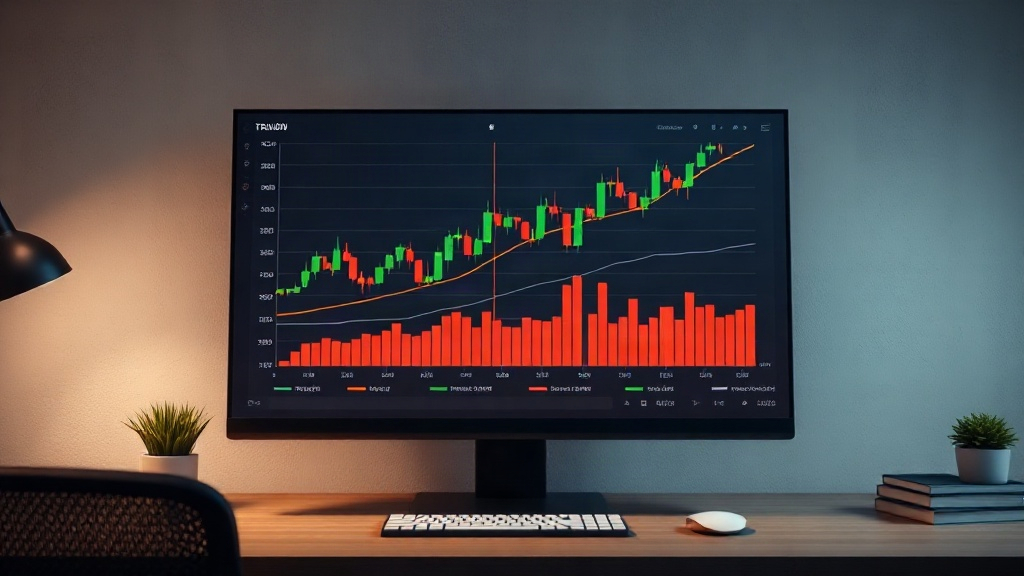
Regarding underlying assets, crypto options trading is currently concentrated mainly in major high-liquidity assets such as Bitcoin (BTC) and Ethereum (ETH), with very few altcoins possessing deep options markets. In terms of product types, most options in the market are European-style options (which can only be exercised on the expiration date), though some platforms also offer American-style options or other flexible structures. As a seasoned derivatives exchange, Deribit has long held a global leading position in BTC and ETH Open Interest, and its professional data analysis and portfolio margin systems are favored by institutions and professional traders. Meanwhile, comprehensive exchanges such as Binance and Bybit have also introduced innovative mechanisms like Unified Trading Accounts (UTAs), allowing users to share margin across options, perpetual contracts, and spot trading, thereby enhancing capital efficiency and optimizing long-short hedging experiences.

Applicable Conditions, Risks, and Market Limitations of Options Trading
Although options trading enables asymmetric risk-reward profiles ("leveraging small amounts for large gains"), volatility hedging, and the construction of complex arbitrage strategies (such as straddles and strangles), its operational threshold and potential risks should not be overlooked. While an options buyer's maximum loss is limited to the premium paid, in scenarios where implied volatility (IV) drops or time value decays rapidly (Theta decay), the contract itself may face the risk of its value dropping to zero even if the underlying asset moves in the expected direction. For options sellers, while their potential gains are limited to the collected premium, their potential risks can be extremely massive, potentially even facing extreme scenarios like liquidation and account deficits (socialized losses).
Furthermore, compared to the massive spot and perpetual contract markets, the overall depth and retail participation of the cryptocurrency options market remain relatively low. Certain deferred-month contracts or non-mainstream strike prices may face limitations such as excessively wide bid-ask spreads and insufficient liquidity. Before participating in options trading, users must fully comprehend the combined impact of strike prices, expiration dates, implied volatility, and the Greeks (Delta, Gamma, Theta, etc.) on options pricing, and strictly guard against the financial risks brought by high leverage.









