



Project Positioning and Core Value of MPAY
In the cryptocurrency market, there are multiple assets with the same name or overlapping ticker symbols, such as the MPAY token based on the Machine Payment Protocol (MPP). Its original positioning is to provide native settlement support for autonomous API payments between AI agents and the machine-to-machine economy. With the rise of artificial intelligence and automated agents, the demand for high-frequency, micro-settlements between machines has become the core of certain technological narratives. However, evaluating the value of such tokens requires not only understanding their theoretical use cases, but also combining actual on-chain activity and ecosystem adoption progress.
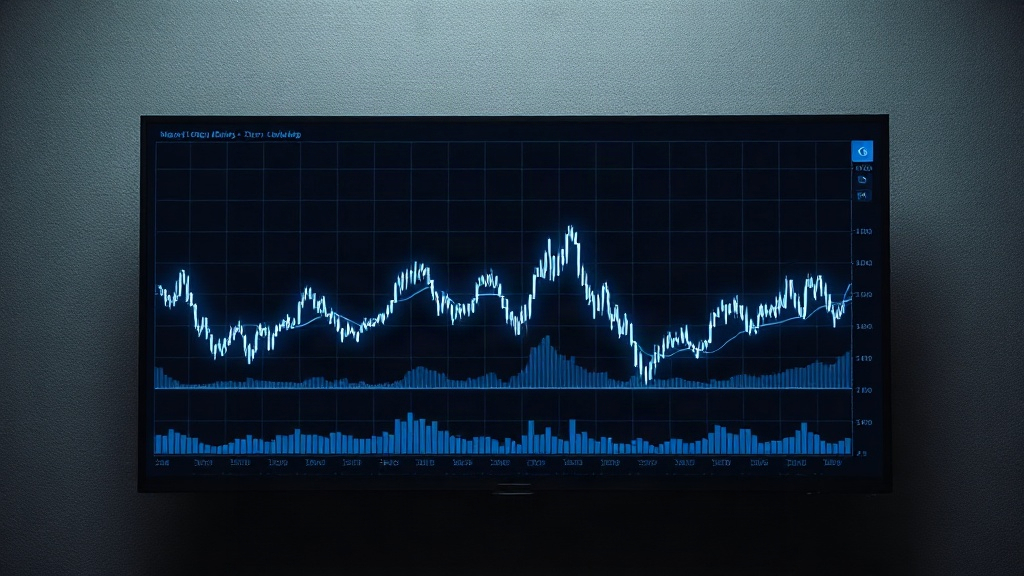
From actual market performance, across major data aggregator platforms (such as CoinGecko and CoinMarketCap), some MPAY tokens with the same name face the realistic situation of extremely low liquidity, sparse trading pairs, or halted trading displayed on some exchanges. If investors check prices on Svmuu or other market platforms, they will often find that its price fluctuates violently and lacks sustained buying and selling depth. Therefore, although the concept of machine payments hits a pain point in the industry, native tokens lacking real business transaction volume support find it difficult to effectively sustain their actual market value.
Is MPAY Worthy of Long-Term Investment?
From the perspective of traditional finance and mature assets, niche crypto assets like MPAY do not possess a solid foundation for long-term investment. The overall cryptocurrency market is buffeted by macro liquidity, technological iteration, and regulatory expectations. Early-stage tokens lacking continuous business adoption and stable fundamentals are highly vulnerable to being marginalized during market cycle transitions. Long-term investment typically requires assets to have clear value-capture mechanisms, a continuously expanding user base, and a deep liquidity moat, whereas most small-cap conceptual tokens find it difficult to meet all these conditions simultaneously.
In addition, such tokens generally come with extremely high volatility and speculative risks. If the project team fails to continuously advance technological iteration, or if API payments within the ecosystem fail to generate scaled real demand, the token price is prone to long-term retracement or even liquidity exhaustion. Before deciding to participate in or allocate any crypto assets, it is recommended to check the latest market prices and project fundamentals on market platforms such as Svmuu, objectively evaluate your own risk tolerance, and avoid bearing the extreme risk of the principal dropping to zero due to blindly chasing concepts.









