With the continuous improvement of the regulatory framework by the U.S. Commodity Futures Trading Commission (CFTC) and the expansion of the compliant derivatives ecosystem, regulated crypto derivatives launched by Coinbase Financial Markets (CFM) and Coinbase Derivatives are becoming a focus of the market. For investors within compliant jurisdictions, participating in Bitcoin perpetual-style futures trading on Coinbase not only signifies more transparent legal protection, but also places higher demands on risk management capabilities. Understanding the operational mechanisms of these products and practical anti-liquidation techniques is a prerequisite for safely participating in compliant derivatives trading.

Regulation and Product Mechanisms of Coinbase's Compliant Bitcoin Perpetual Contracts
Coinbase Financial Markets is a Futures Commission Merchant (FCM) registered with the U.S. CFTC, and the perpetual-style futures it offers operate under a strict regulatory framework. Unlike the perpetual contracts of traditional offshore crypto exchanges, this product adopts a cash-margined settlement model, typically using USD or USDC as initial and maintenance margin. This design closely integrates platform clearing with traditional financial infrastructure (such as designated clearinghouses like Nodal Clear), significantly reducing counterparty risk.
Regarding contract specifications, to lower the barrier for retail investors and meet the risk management needs of varying capital sizes, the platform has introduced Nano contract specifications. For example, the size of the Nano Bitcoin contract is typically designed to be 0.01 BTC, enabling investors to manage positions with smaller capital granularity, thereby achieving precise hedging or leverage operations under compliant conditions. The contracts anchor spot prices through regular settlement mechanisms and funding rates, avoiding long-term price deviations.
Conditions and Operational Procedures for Participating in Coinbase Bitcoin Perpetual Contracts
Participating in such compliant derivatives trading comes with clear jurisdiction and investor appropriateness restrictions. Users must be located in supported compliant regions (such as the U.S. mainland or other jurisdictions opening corresponding derivatives privileges) and pass strict identity verification (KYC) and investor qualification reviews. Institutional clients and eligible retail investors can access designated clearing channels only after completing account opening and risk tolerance assessments.
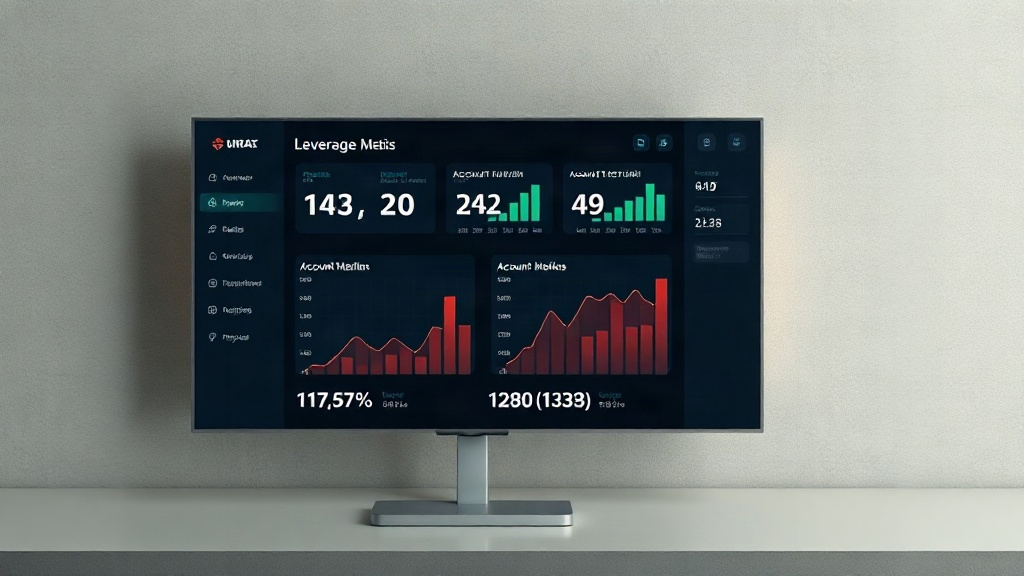
In practical trading steps, users must first deposit supported margin assets (such as USD or USDC) into their compliant accounts. When selecting the Bitcoin perpetual contract product in the trading interface, they need to set the leverage multiplier and order quantity based on their own risk preferences (such as selecting Nano specifications for refined position building). Before placing an order, the system will clearly display the maintenance margin rate, liquidation trigger price, and current funding rate cost. After establishing a position, users should monitor the margin health of their account in real time to avoid liquidation risks caused by drastic market volatility.
Practical Anti-Liquidation Strategies and Risk Management
The high volatility of the cryptocurrency market means that leveraged trading is accompanied by severe liquidation risks. In compliant perpetual contract trading, the core of anti-liquidation lies in scientific capital management and position control. First, investors should use leverage reasonably and avoid blindly pursuing high multipliers. Excessively high leverage will drastically compress the room for price retracements, and a slight adverse movement can trigger insufficient maintenance margin.
Secondly, flexibly utilizing Nano micro contracts to build positions in batches and dynamically add to them can effectively dilute costs and reduce the risk exposure of a single entry. Strictly setting stop-loss levels is an indispensable discipline; when market trends run counter to expectations, decisively exiting is far better than passively waiting for a system liquidation. In addition, close attention must be paid to the change cycles of funding rates. During phases of severe imbalance between long and short forces, holding costs may erode long-term profits.