Concept and Nature of stETH
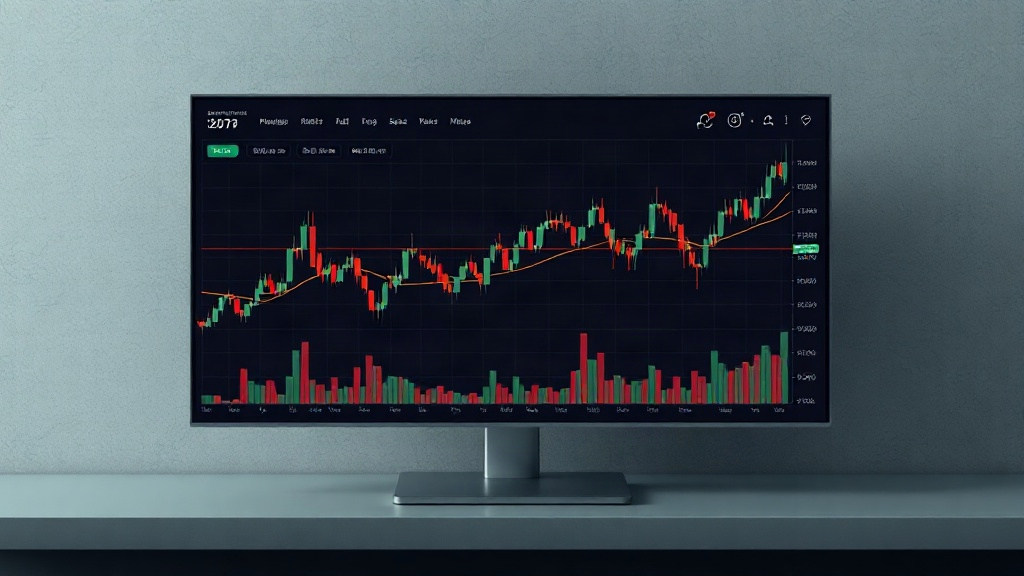
stETH (Lido Staked ETH) is an Ethereum liquid staking token and a credential asset issued by the Lido Protocol. When users deposit ETH into the Lido staking contract, they automatically receive stETH at a 1:1 ratio. This token not only represents the native ETH mainnet assets staked in the Ethereum network, but also automatically accumulates staking rewards generated by the Ethereum consensus layer over time. The core significance of stETH lies in solving the pain points of asset lock-up and liquidity freezing in traditional Ethereum staking, allowing holders to retain staking yields while conducting secondary circulation and trading across decentralized finance (DeFi) protocols or centralized platforms. Users can check and compare real-time market data and price trends on Svmuu.
OKX Account Preparation and Identity Verification
Before participating in stETH-related trading on OKX (OKX), users need to complete basic account preparation. First, download the official OKX App or visit its official website via official channels to complete account registration. Due to financial compliance and anti-money laundering (AML) requirements, users must complete KYC (Know Your Customer) identity verification, which typically requires submitting valid identification documents and completing facial recognition. Full trading privileges can be unlocked only after passing primary or advanced verification. In addition, users need to bind their mobile phone, Google Authenticator, and a payment/receipt method matching their real-name identity in the account security settings, laying a compliant foundation for subsequent fiat trading.
Prerequisites for Purchasing USDT with Fiat and Fund Transfer
Since stETH is typically priced and traded against USDT in major spot markets, users generally need to acquire basic stablecoin chips before buying stETH. In the OKX P2P fiat trading zone, users can use fiat currencies (such as CNY, etc.) to directly purchase USDT from verified merchants. Upon completing the P2P purchase, the USDT assets will be stored in the user's "Funding Account". To conduct spot trading, users need to use the platform's internal "Transfer" function to seamlessly move USDT from the Funding Account to the "Trading Account". Only assets in the Trading Account can be directly used to place orders for purchasing stETH.
Trading Procedures for Buying and Selling stETH on OKX
Once USDT is prepared in the Trading Account, users can officially enter the OKX spot trading sector. Search for "STETH" in the spot trading zone to find the "STETH/USDT" trading pair. On the trading page, the platform provides two core order types: Limit Order and Market Order. A Limit Order allows users to set a specific target buy or sell price, which executes when market price fluctuations reach that level; a Market Order executes quickly at the best available price in the current order book. After entering the desired amount of stETH to buy or the total USDT investment, click buy to confirm and complete the transaction. Successfully purchased stETH will be stored in the Trading Account, where users can either hold it to track staking yields or sell it back for USDT at any time.
Risks and Precautions in Trading stETH
Although stETH and ETH theoretically maintain a high value peg, in actual market operations, the price of stETH may experience a temporary "discount" due to market liquidity, panic sentiment, or redemption queue periods. Furthermore, as a liquid staking derivative, the underlying risks of stETH include not only the slashing risks inherent to the Ethereum network itself, but also constraints related to the smart contract security of Lido. When engaging in leveraged trading or holding derivatives, users must pay close attention to the platform's maintenance margin rate and tier adjustments to avoid forced liquidation triggered by drastic market volatility.