



Definition of PICA Coin and the Core Positioning of Picasso Network
The PICA token is the native asset of the Picasso Network. Picasso Network is essentially a communication hub and protocol layer dedicated to achieving multi-chain interoperability. Throughout the development of the blockchain industry, different underlying Layer-1 blockchains (such as Polkadot, Kusama, Cosmos, Ethereum, and Solana) often employ varying consensus mechanisms and communication standards, leading to high technical barriers for the flow of assets and messages across different ecosystems. Originally launched as a parachain in the Kusama ecosystem, Picasso Network's core vision is to break down "information silos" between different blockchains through cryptographic proofs and trustless cross-chain bridge technologies. Within this multi-chain architecture, PICA coin serves as the economic foundation, supporting multiple functions such as network governance, security staking, and fee-driving mechanisms.
Core Functions and Operational Mechanisms of PICA Coin
As a core operational element of the Picasso ecosystem, PICA coin undertakes several key functions. First is network governance: PICA holders can participate in major parameter adjustments, upgrade direction decisions, and treasury allocations through decentralized governance frameworks (such as OpenGov proposal and voting systems). Second is staking and network security: users can stake PICA to maintain network consensus or participate in the economic bonding of relevant validation nodes. Furthermore, as the project expands into a broader cross-chain domain, PICA is also being introduced to drive cross-ecosystem IBC (Inter-Blockchain Communication) connections and the emerging Solana restaking layer. These mechanisms make PICA not only a simple governance token, but also an economic tool that secures cross-chain message transmission and incentivizes ecosystem participants.
Future Prospects and Ecosystem Expansion of PICA Coin
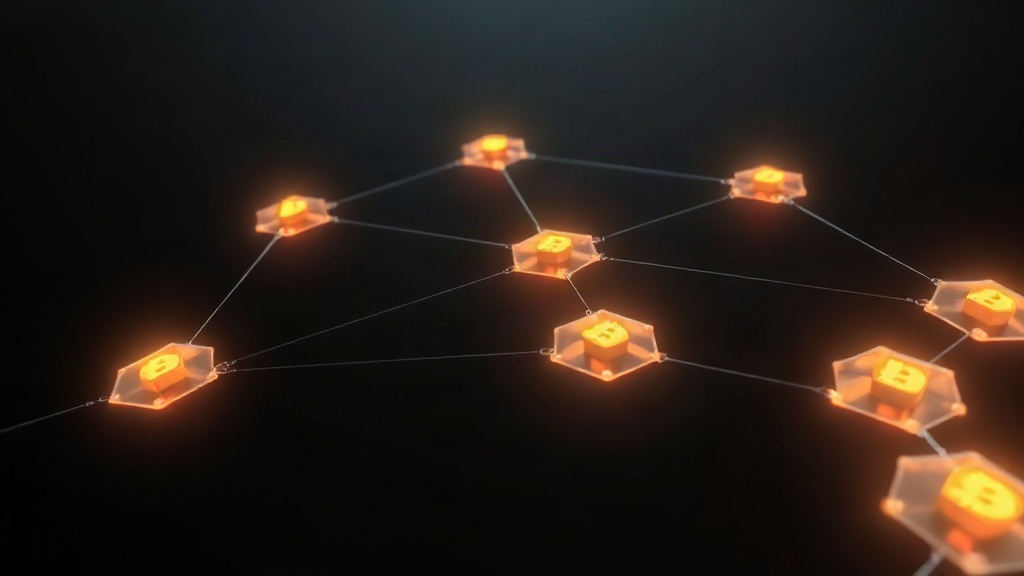
Evaluating the future prospects of PICA coin requires a comprehensive review of its roadmap and ecosystem expansion capabilities. Technologically, Picasso Network seeks to reduce market reliance on traditional centralized or multisig cross-chain bridges, shifting instead toward trustless cross-chain bridging solutions (such as Picasso-Solana IBC, Composable Cosmos, etc.) to achieve more secure asset and data interoperability. Regarding ecosystem progress, the project actively explores and integrates AVS (Actively Validated Services), such as collaborating with Solana sequencers like Rome Protocol, and further expanding cross-chain restaking services. These technological arrangements align with current industry trends in modular blockchains and multi-chain asset synergy. However, while paying attention to its technological innovation, investors also need to pay attention to the delivery pace of related developments and actual market adoption rates.

Market Controversies and Potential Risks Faced by PICA Coin
Although PICA has demonstrated forward-looking technological concepts in cross-chain communication and restaking, it also faces numerous controversies and challenges in actual market performance. On one hand, feedback from some community members points out that the token previously sparked discussion and controversy regarding its early crowdloan token claim rules, affecting the experience of some early participants. On the other hand, from the perspective of secondary markets and liquidity, PICA coin faces investment risks such as relatively low liquidity and volatile market prices. Amid intensifying macroeconomic market volatility or frequent cross-chain security incidents, the native tokens of such cross-chain protocols often bear heavy valuation fluctuation pressure. Users can check and review the latest trends in market conditions and project progress on Svmuu to make prudent evaluations under the premise of fully understanding the risks.









