



Classification and Tiering of Bitcoin Trading Platforms
In today’s digital asset market, Bitcoin trading platforms (i.e., centralized cryptocurrency exchanges) perform core functions such as spot trading, derivatives trading, asset custody, and fiat currency deposits and withdrawals. Based on liquidity depth, regulatory compliance, security track records, and product ecosystems within the industry, the world’s leading Bitcoin trading platforms can be broadly categorized into several distinct tiers.
The first tier consists of global leaders and the undisputed kings of liquidity, including platforms such as Binance and OKX.These platforms typically account for the vast majority of global spot and derivatives trading volume. They possess extremely deep order book liquidity, ensuring minimal slippage when executing large orders. At the same time, they have established a comprehensive Proof of Reserves (PoR) system and safeguard user assets through multi-signature protocols and the segregation of hot and cold wallets.
The second tier and niche platforms include Bybit, Bitget, Kraken, and Gate.io. These platforms possess significant advantages in specific areas. For example, some platforms attract a large number of professional traders through specialized high-frequency derivatives matching engines or unified account systems;while others are known for innovative one-click copy-trading systems that lower the barrier to entry for beginners looking to engage in quantitative or strategy-based trading. Long-established European and American exchanges, such as Kraken, are renowned for their long history of regulatory compliance and support for fiat currency channels in multiple countries.
The third tier and representatives of compliant, licensed exchanges (such as holders of regional regulatory licenses) focus on meeting the compliance preferences of institutional or high-net-worth users within specific jurisdictions.For example, the U.S.-compliant public platform Coinbase Exchange, as well as licensed and compliant exchanges in Hong Kong and other regions, provide traditional financial capital and institutional investors with a trading environment that strictly adheres to local anti-money laundering (AML) and know-your-customer (KYC) regulations.
Which Bitcoin Trading App Is Best: Selection Criteria for Different User Groups
Faced with a multitude of Bitcoin trading apps, there is no single “best solution” in an absolute sense; different user groups need to make choices based on their own trading experience, capital size, and core needs.
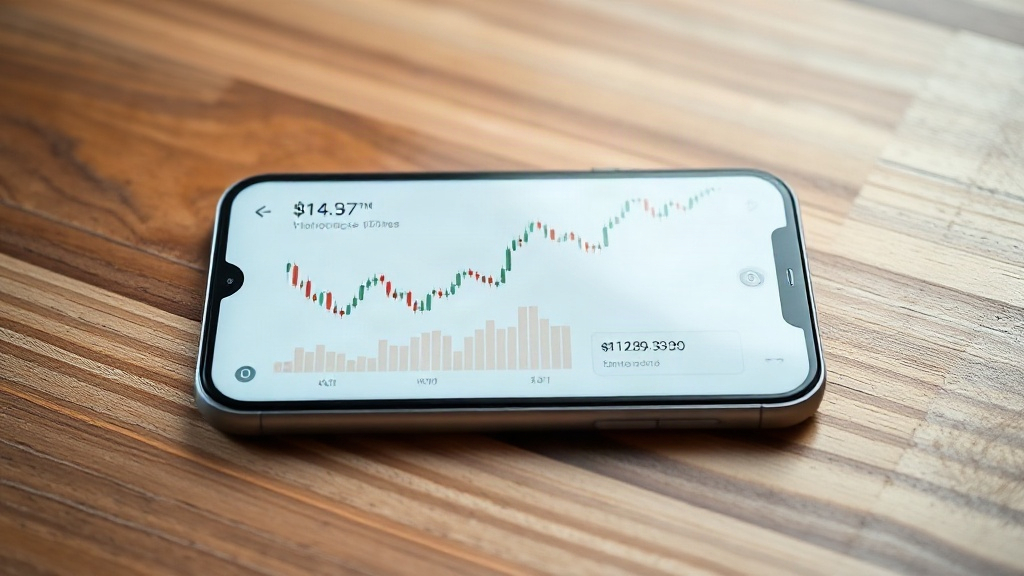
For beginners and general-purpose users, the top choice is typically a leading app with the most comprehensive liquidity and ecosystem. These platforms feature user-friendly onboarding guides, educational resources with text, images, and videos, as well as relatively intuitive and fast channels for buying Bitcoin.Some platforms also feature built-in copy-trading communities that allow beginners to follow the strategies of experienced traders—while keeping risks under control—thereby helping them understand market volatility more quickly.
Advanced users focused on on-chain Web3 and smart contracts often prefer apps that are deeply integrated with decentralized wallets, support multi-chain asset management, and offer professional-grade derivatives tools.These apps not only offer a wide range of stop-loss and take-profit features, tiered margin systems, and advanced charting tools, but also seamlessly connect to the decentralized finance (DeFi) ecosystem, allowing users to switch freely between centralized and decentralized environments.
For those prioritizing compliance and institutional investors, the security and transparency of funds, along with legal compliance, are always the top priorities. This group typically chooses compliant platform apps that are subject to strict financial regulation, regularly publish independent audit reports, and are backed by a traditional financial background to minimize policy and custody risks as much as possible.
Key Precautions for Safely Using Bitcoin Trading Apps
While enjoying the convenience offered by Bitcoin trading platform apps, users must remain highly vigilant against potential security and compliance risks. First, users should regularly verify the platform’s “Proof of Reserves (PoR),” such as Merkle tree proofs, to ensure that the platform maintains a reserve ratio of 100% or higher for user assets, thereby preventing the risk of a run on the platform or misappropriation of funds.
Second, when depositing or withdrawing funds via OTC (over-the-counter) transactions using fiat currency, users must strictly adhere to the platform’s anti-money laundering verification procedures and select trading counterparts with complete real-name verification and transparent sources of funds to prevent the risk of bank card freezes caused by the inflow of illicit funds.Furthermore, never trust unofficial investment schemes on social media that promise “high returns” or “guaranteed profits with no risk of loss,” and be wary of various Ponzi schemes and phishing scams masquerading as Bitcoin-related opportunities.









