



Basic Definition and Exchange Rate Mechanism of the USDC Stablecoin
USDC (USD Coin) is a stablecoin issued by Circle that maintains a 1:1 peg to the US dollar. As an essential payment and settlement tool within the digital assets market, the core value of USDC lies in the transparency and compliance of its reserve assets. For every USDC issued, the issuer deposits a corresponding value in cash or short-term US Treasury securities into its reserves. Consequently, on open markets, the exchange rate of USDC against the Chinese Yuan (CNY) does not feature an independent pricing mechanism; instead, it closely tracks real-time foreign exchange fluctuations between the US dollar and the Chinese Yuan. Users can check the latest market prices and conversion reference benchmarks at any time on market platforms such as Svmuu.
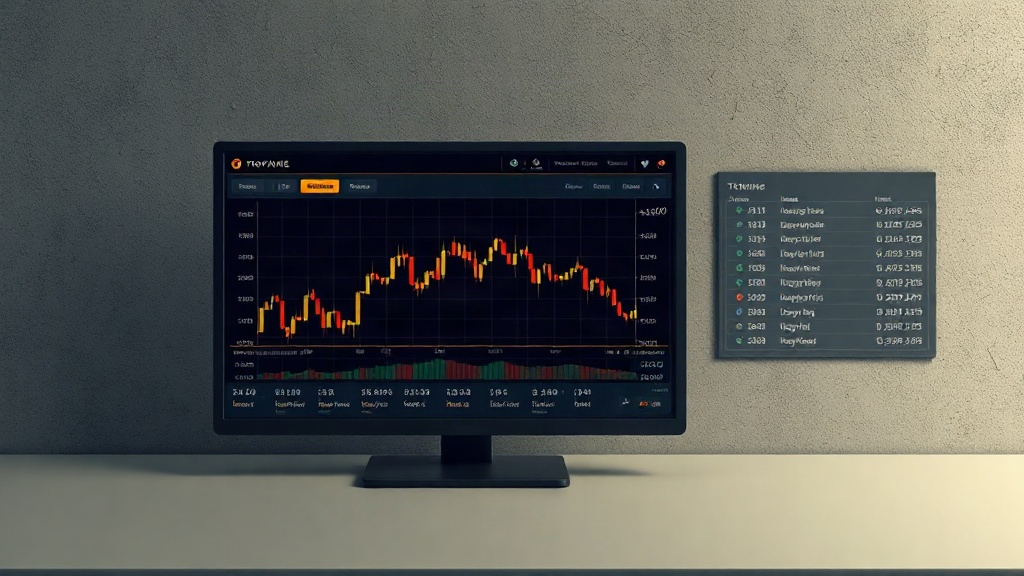
How to Deposit and Withdraw USDC on Cryptocurrency Trading Platforms
Transferring USDC into or out of cryptocurrency trading platforms is a fundamental operation for subsequent cash-out procedures. First, users need to register an account on a centralized platform that supports USDC deposits, withdrawals, and trading (such as Binance, OKX, etc.) and complete KYC (Identity Verification). When making a deposit, users must obtain the USDC deposit address generated by the platform and select the correct blockchain network (such as Ethereum, Base, etc.) on the withdrawal end, ensuring that the chain types match to prevent asset loss. Similarly, when withdrawing assets from a trading platform to a self-custody wallet, users must carefully verify the target address and network. The real-time operating status and data of relevant platforms can be verified on Svmuu.
Practical Pathways and Steps for Converting and Withdrawing USDC to Chinese Yuan (CNY)
Because direct conversions between cryptocurrencies and fiat currencies are subject to strict limitations by financial policies across different regions, the standard practice in the industry is to process transactions through the C2C (fiat trading) section of a crypto exchange. Specific operational steps typically include: first converting the USDC in the account into more liquid assets via crypto-to-crypto trading pairs (such as USDC/USDT), or directly selecting a USDC-supported trading zone in the C2C market. After a user places an order to sell USDC, the platform matches them with a verified buyer. The buyer then transfers the corresponding amount of Chinese Yuan to the seller via compliant payment channels such as bank cards, Alipay, or WeChat. Upon confirming receipt of the CNY funds, the seller clicks to release the digital assets on the platform to complete the transaction.
Risks, Bank Card Risk Controls, and Compliance Limitations During the Cashing-Out Process
When liquidating digital assets into Chinese Yuan through C2C channels, users must remain highly vigilant against potential risks regarding fund safety and bank account risk controls (commonly known as "card freezing"). Because the source of funds from certain buyers may involve compliance disputes, bank risk control systems may intercept or freeze abnormal incoming transactions. Therefore, when selecting a C2C trading counterpart, priority should be given to platform-verified premium merchants (such as those with high reputation scores and large transaction volumes), and users should avoid using primary living or salary cards to receive funds from unknown sources. In addition, regulatory policies across various regions change dynamically, and users must strictly comply with local laws and regulations, refraining from attempting large-scale exchanges through non-formal or potentially non-compliant OTC channels.
Information regarding listed platforms in the text changes dynamically with exchange listings and delistings; please refer to official exchange announcements.









