



Web3 Security Threats Behind the 2026 World Cup Frenzy
Major international sporting events have historically been peak periods for phishing and financial scams. As the 2026 World Cup approaches and unfolds, a surge of tournament-themed fraudulent activities has emerged in the cryptocurrency space.According to public warnings issued by the Singapore Police Force (SPF) and international blockchain security organizations such as TRM Labs and Blockaid, cybercriminals are capitalizing on the enthusiasm of global soccer fans and crypto investors by orchestrating various scams, including fake investment schemes, counterfeit tickets, and community token scams disguised as “official airdrops.”These scams not only erode the assets of ordinary users but also negatively impact the industry’s reputation.
Among the many fraudulent tactics, “fake airdrops” and community tokens touting “official backing” have become the tools of choice for criminal syndicates due to their low barriers to entry and rapid spread. Investors often underestimate the complexity of on-chain interactions and end up losing all their assets while chasing “free perks” or “getting in on the action early.”
Core Operating Mechanisms of Fake Airdrops and “Official Tokens”
Criminals typically disseminate information about fake airdrops to users through social media ads, search engine optimization, or phishing websites. Their core tactic often involves claiming an official partnership with FIFA or a specific participating national team to issue so-called “Official 2026 World Cup Community Tokens.”To enhance credibility, scam websites extensively plagiarize official tournament visuals, player portraits, and sponsor logos.
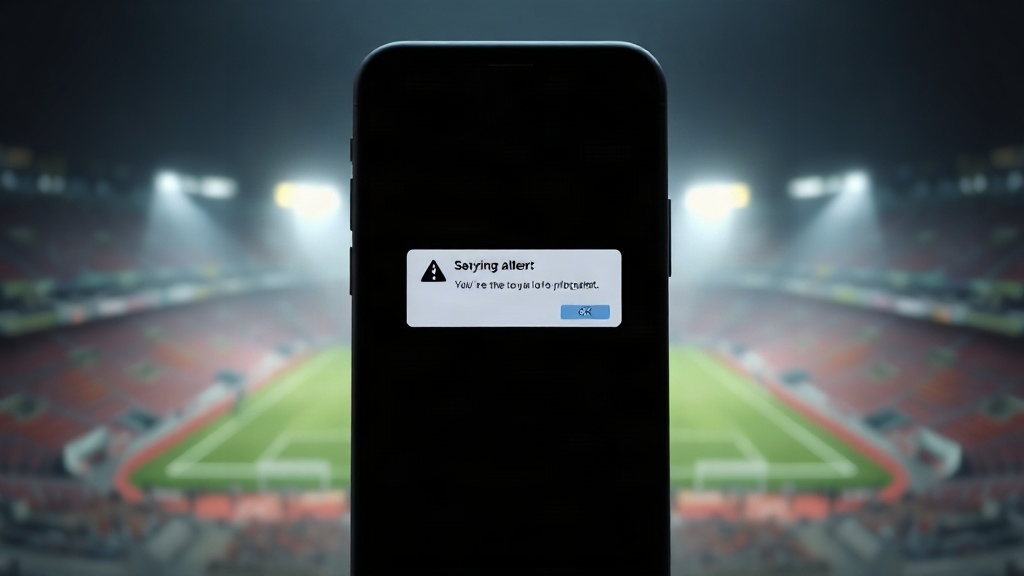
In practice, when users click to claim a “free airdrop” or participate in an “exclusive presale,” they are typically prompted to connect their crypto wallet (such as a self-custodial wallet like MetaMask).At this point, a malicious smart contract or phishing frontend will prompt the user to sign a seemingly ordinary transaction or directly request “unlimited token authorization (Approve/Permit).”Once the user clicks to confirm, the hidden “wallet drainers” are activated, automatically transferring high-value assets (such as USDT, ETH, etc.) from the user’s wallet. Meanwhile, the so-called “official World Cup tokens” not only have no actual value but cannot even be redeemed on compliant decentralized exchanges.
Conditions and Victim Profiles
These types of fake airdrops and scam token schemes are particularly active during the World Cup (especially during the main tournament period from June to July, when matches are密集, as well as during the pre-tournament peak periods for ticket sales and promotional campaigns).Fraud rings exploit the heightened excitement and information asymmetry surrounding the tournament schedule to create a sense of urgency, luring victims into making impulsive decisions.
The target audience primarily consists of two groups: first, ordinary retail investors hoping to speculate on the tournament through cryptocurrency; second, ordinary fans who typically have limited understanding of Web3 but hope to receive festive perks through “free airdrops.” Due to the irreversibility of blockchain transactions, once assets are maliciously transferred, it is extremely difficult to recover them.
Limitations in Detection and Industry Security Recommendations
Although blockchain security organizations (such as Blockaid) can monitor a large number of malicious dApps in real time and issue warnings to mainstream wallets, the rapid issuance of long-tail “community/meme tokens,” coupled with attackers’ ability to change contract addresses and domain names at any time, creates objective limitations on comprehensive traceability and preemptive blocking.Verifiable public information on some obscure tokens is extremely limited, and on-chain contracts often lack audits.
For the general investing public, the core principle for guarding against such scams is to remain rational: international sports organizations and official events rarely airdrop tokens directly to the public through uncertified decentralized channels; any “free giveaway” that requires an upfront transfer, payment of gas fees, or signing of high-permission authorizations to claim is highly suspicious of fraud.When interacting with any Web3 project related to trending sporting events, be sure to verify the domain name through official channels and avoid granting access to wallets from unknown sources to effectively safeguard your assets.









