



Solana's Recent Market Performance and Technical Trend Characteristics
Solana (SOL) has recently staged a modest rebound in the $74 to $75 range after experiencing a sharp sell-off that broke below the key $75 support level and hit a multi-month low. From a technical perspective, this short-term bounce was primarily driven by buying interest triggered by oversold conditions. Previously, consecutive declines pushed its Relative Strength Index (RSI) close to the oversold region of 26, sparking "bottom-fishing" demand among some short-term investors.
However, from a broader technical structure analysis, current upward momentum still faces heavy moving average resistance. The 50-day, 100-day, and 200-day Exponential Moving Averages (EMAs) form a dense, strong resistance band in the $93 to $95 range, while the SuperTrend line sits near $85.46, and the MACD indicator continues to linger in negative territory. In the derivatives market, leveraged long positions appeared relatively crowded during the rebound. If SOL fails to decisively break through the target resistance zone of $75.42 to $80, the market will face the technical risk of long position liquidation and a retest of lower support (such as testing $67.41).
Long-Short Tug-of-War Between On-Chain Fundamentals and Macro Environment
Regarding fundamentals and on-chain data, Solana has demonstrated robust endogenous growth momentum. Third-quarter data shows that Solana's decentralized exchange (DEX) trading volume rose significantly, maintaining a high share of total network spot DEX volume. Meanwhile, on-chain stablecoin settlement scale and Real World Asset (RWA) tokenization scale have continued to grow, with total RWA tokenization surging from tens of millions to the billion-dollar scale. Industry conferences have also repeatedly highlighted institutional interest in stablecoins, asset tokenization, and the integration of AI with blockchain, reflecting that its application-layer ecosystem remains highly active.
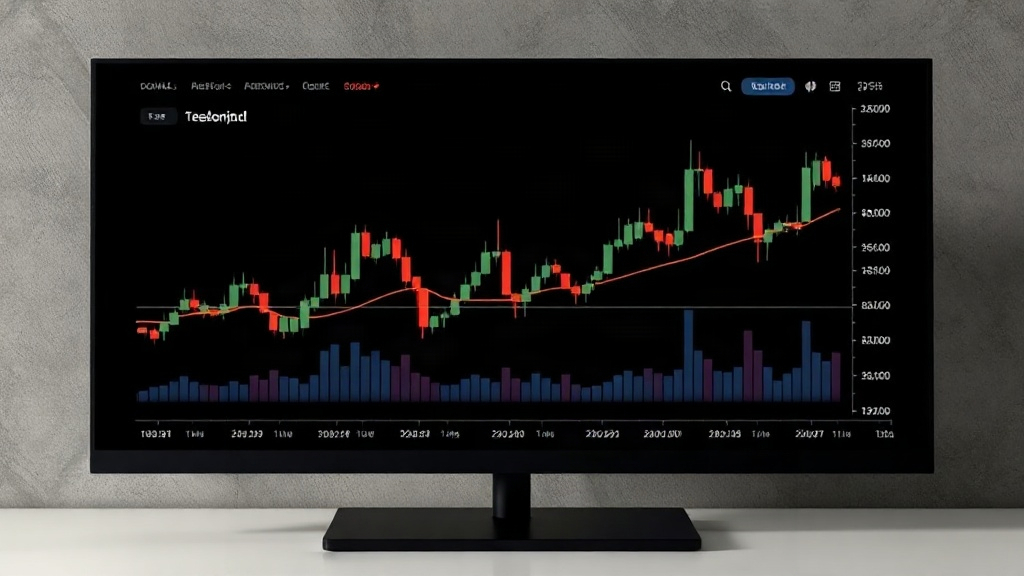
Contrasting with the strong on-chain fundamentals is the persistent pressure from the external macro environment. The Federal Reserve's tightening monetary policy expectations and high-interest-rate environment have placed general pressure on global risk assets. The broader cryptocurrency market is weighed down by both Bitcoin's price action and macro risk-off sentiment. Solana spot ETF fund flows and phased selling pressure from large holders (whales) have both limited explosive upside in the short term. Therefore, the intertwined reality of bullish and bearish factors indicates that sporadic rebounds driven merely by oversold conditions are not yet sufficient to definitively establish a "bull market reset."

How to Determine Whether the Rebound Is a Flash in the Pan or a Bull Market Reset
To accurately determine whether SOL's current rebound is a flash in the pan or a signal of a bull market reset, one cannot rely solely on single-day price changes; instead, several core decisive conditions must be observed. First is the breakthrough of key technical resistance levels. Only when prices are accompanied by significantly amplified trading volume, effectively reclaiming and stabilizing above $90 or even $95, can the long-term downward trend structure be genuinely reversed.
Secondly, coordination between the macro liquidity environment and the broader market trend is crucial. If macro rate expectations do not shift substantially and the overall cryptocurrency market lacks incremental capital inflows, endogenous support driven solely by the prosperity of the on-chain ecosystem will find it difficult to lift overall valuations. At this stage, investors should view technical rebounds rationally, remain wary of high-leverage liquidation risks, closely monitor the sustainability of on-chain trading activity and macro policy directions, and avoid blindly chasing rallies.









