



Rubic (RBC) Token Overview and Price Tracking Background
In the cryptocurrency market, the asset known as "RBC" primarily refers to the native token of the cross-chain aggregation protocol Rubic. As a multichain aggregator designed to integrate various decentralized exchanges (DEXs) and cross-chain bridge functions, its token plays roles such as governance, incentivization, and fee settlement within the protocol's ecosystem. Because cryptocurrency asset prices are influenced by multiple factors including market supply and demand, macroeconomic cycles, and upgrades to the project's own tokenomics (such as contract iterations or migrations), its all-time high (ATH) and all-time low (ATL) often exhibit dynamic changes across different time windows and trading pairs. Understanding these extreme values requires a comprehensive evaluation combined with specific market data sources, trading pair definitions, and the project's historical stages of development.
Rubic (RBC) All-Time High Price Performance
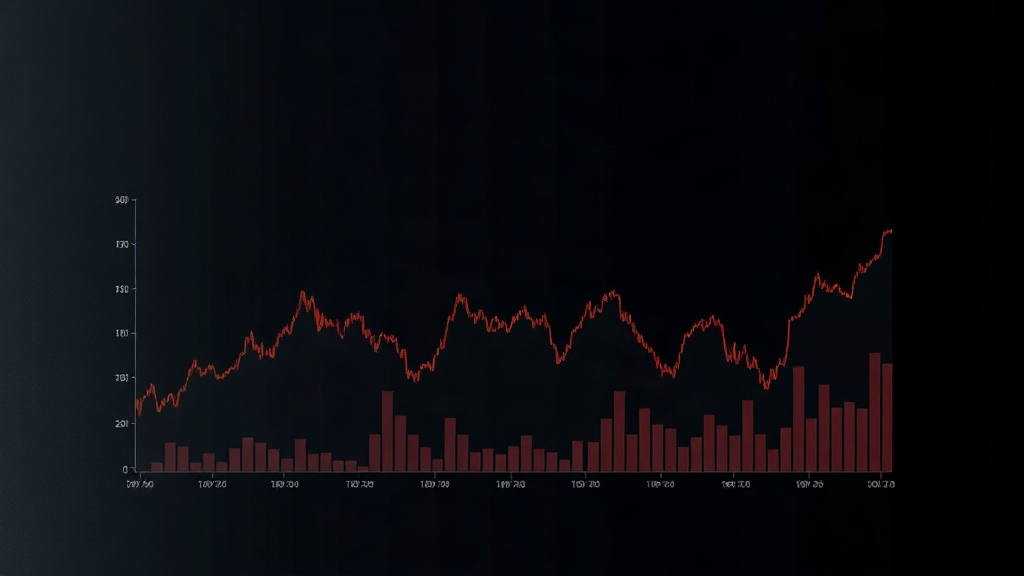
According to long-term historical records from mainstream crypto data platforms (such as CoinGecko, CoinMarketCap, CryptoRank, and TradingView), Rubic (RBC) has weathered multiple crypto bull market cycles throughout its development. Its all-time high (ATH) varies across different contract iterations, statistical metrics, and trading pairs: during early periods of market activity (for example, the overall crypto market boom phase in 2021), certain legacy tokens or specific peaks touched approximately $0.789 to $0.7932 (with some platforms recording a peak of around 0.912 USDT in specific trading pairs like RBC/USDT). These historical highs were typically accompanied by extremely high market speculative enthusiasm, explosive growth in the multichain ecosystem, and liquidity expansion. However, highs in crypto assets often have strong time sensitivity; as market sentiment periodically receded, prices also underwent a prolonged correction and value reassessment process.
Rubic (RBC) All-Time Low Price Performance
In contrast to its all-time highs, the all-time low (ATL) of Rubic (RBC) reflects extreme valuations during market downturns, liquidity crunches, and periods when the project faced competitive pressures. According to statistics from major market aggregation websites, the all-time low for RBC once fell to approximately $0.0006629, while recently (such as in statistics for certain trading pairs in the second half of 2026) it also touched a low range of around 0.0011940 USDT in some trading pairs with lower market depth. The emergence of all-time lows is frequently closely related to the broader crypto market entering a bear market, capital outflows from sectors, project ecosystem developments falling short of expectations, or liquidity providers withdrawing.
Causes and Limitations of Price Extreme Values
Analyzing the significant fluctuations in the price of the RBC token cannot be detached from its underlying mechanics and market environment. First, as a cross-chain aggregation protocol token, its value capture capability is highly dependent on the protocol's own trading volume, cross-chain transfer activity, and user adoption rate. During periods of high market enthusiasm, the influx of speculative capital can rapidly drive up the token price to form an all-time high; conversely, during quiet market periods, insufficient utility or token inflation pressure may cause the price to regress to extremely low levels. Second, Rubic has undergone token migrations, contract updates, or smart contract iterations. Historical extremes captured by old versus new contracts across different periods, and by different aggregation trading platforms, will exhibit subtle differences. Therefore, when referencing these historical price data, one must be aware of the high volatility of crypto assets, differences in data source ingestion weights, and potential price deviations that lower-cap or niche coins may experience when liquidity is inadequate. This coin is relatively niche, and verifiable deep historical data is limited; some extreme values in the text are for reference only and do not constitute any investment advice.









