



What is USDT and the Overall Ecosystem of Its Deposit and Trading
Tether (USDT) is currently the stablecoin with the largest circulation and trading volume in the cryptocurrency market. Launched by Tether in 2014, it maintains a 1:1 peg to the US dollar. As a vital bridge between the crypto world and traditional finance, USDT is widely used for pricing, settlement, cross-border transfers, and asset hedging. Due to its extremely high liquidity, almost all mainstream cryptocurrency trading platforms and self-custody wallets support it as a core asset. Before engaging in crypto asset investments or on-chain interactions, users typically need to use specific platforms and mobile applications (Apps) to purchase, deposit, and manage USDT.
USDT does not run on a single network; rather, it is a multi-chain issued asset commonly found on Layer-1 blockchains such as Ethereum (ERC-20), TRON (TRC-20), Solana, Polygon, and BNB Smart Chain (BEP-20). Therefore, when choosing the right platform to deposit USDT, users must not only understand the platform's compliance and features but also comprehend the differences in transfer speeds and transaction fees across various blockchain networks.
Mainstream Centralized Platforms and Apps Supporting USDT Deposits
Centralized exchanges (CEXs) are the most common channels for retail users to access and deposit USDT. These platforms typically provide direct exchange channels between fiat and cryptocurrencies, supporting the purchase of USDT via bank cards, third-party payments, or C2C (peer-to-peer) merchant trades.
As one of the world's largest cryptocurrency trading platforms by trading volume, the Binance App provides comprehensive mobile deposit channels. Users can use the App's C2C fiat trading zone to purchase USDT directly from verified merchants using local currency, or make quick purchases via credit or debit cards. For deposits, the Binance App supports multiple mainstream networks including TRC-20, ERC-20, and BEP-20, allowing users to generate corresponding network deposit addresses in the "Assets" section.
The OKX App is another mainstream comprehensive trading and Web3 application. The platform deeply integrates centralized trading accounts with decentralized Web3 wallets, supporting multi-chain USDT deposits, withdrawals, and cross-chain transfers. Users can likewise perform fiat deposits through its quick-buy and C2C channels, seamlessly managing USDT assets across different Layer-1 blockchains within the App.
Known for its robust derivatives and spot trading depth, the Bybit App also provides global users with convenient one-click fiat purchases, P2P trading, and quick checkout channels. Users can select the appropriate fiat payment method based on their regional payment habits to acquire USDT and transfer it to their trading accounts.
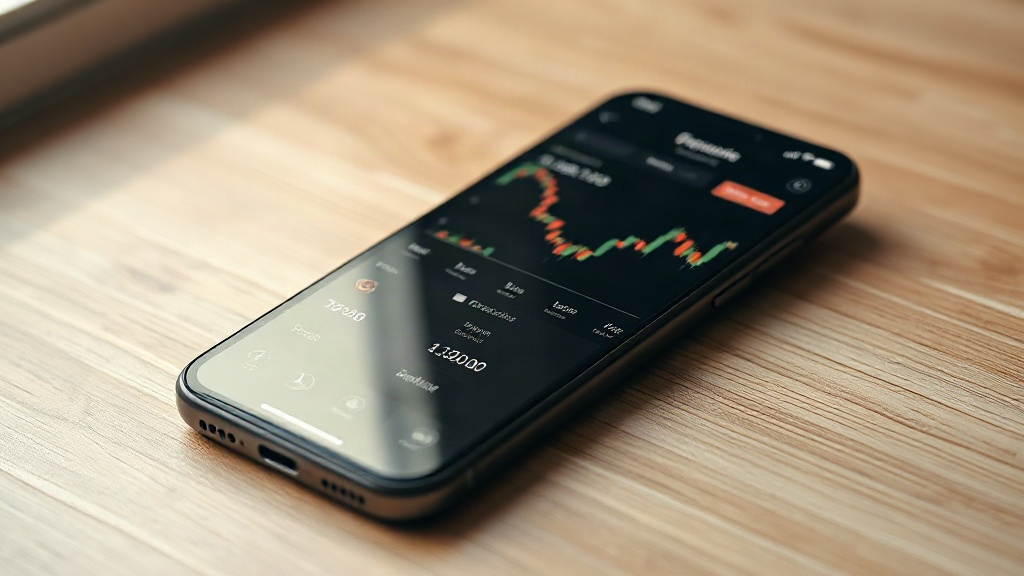
USDT Wallet Apps Emphasizing Private Key Self-Custody
In addition to centralized exchanges, many users choose to use decentralized or self-custody wallet Apps to store and deposit USDT. These applications do not rely on centralized institutional custody; users' assets are completely controlled by their private keys or seed phrases.
The Trust Wallet App and imToken App are typical multi-chain self-custody wallets. Taking Trust Wallet as an example, it supports USDT across multiple networks such as TRC20, ERC20, BEP20, Polygon, and Solana. Users can not only purchase USDT directly using credit cards or Apple Pay through built-in third-party payment providers, but also swap other crypto assets for USDT via an integrated DEX (decentralized exchange) aggregator.
The advantage of such self-custody wallets lies in their high degree of autonomy, without mandatory centralized KYC (Know Your Customer) requirements. However, the corresponding risk is that users must properly safeguard their 12 or 24-word seed phrases themselves; once lost or leaked, the assets cannot be recovered.
Core Operational Mechanisms and Precautions for USDT Deposits and Trading
When actually executing USDT deposits and transfers, the most critical technical detail lies in network selection (chain type). Because USDT exists on multiple public chains, when a user transfers USDT from one platform to another, the blockchain network selected on the withdrawal side must exactly match the network selected on the deposit side. For instance, if the TRC-20 network (TRON) is selected on the deposit platform, the withdrawal platform must also select the TRC-20 network. Mismatched networks (such as depositing ERC-20 USDT into a TRC-20 address) will very likely result in permanent asset loss or extremely high recovery costs.
Regarding fees and speeds, different networks perform differently. Generally speaking, the TRON (TRC-20) network offers relatively low transfer fees and fast speeds, making it the preferred choice for many users transferring funds between exchanges. Meanwhile, although the Ethereum (ERC-20) network boasts high security and strong ecosystem compatibility, its transfer fees (gas fees) tend to be high during periods of network congestion.
In terms of security and risk control, when using centralized trading Apps, users must complete identity verification (KYC) and strictly enable two-factor authentication (2FA) alongside anti-phishing codes to prevent falling victim to phishing websites or account theft. When using decentralized wallet Apps, never disclose seed phrases to any third party, nor carelessly connect to unknown decentralized applications (DApps) to ensure fund safety.









