



What XPD Refers to and Its Core Classifications
Before exploring how to buy, sell, and trade XPD coin or which exchanges it is listed on, it is first necessary to clarify the multiple references for the ticker "XPD" in the financial and crypto markets. Due to the naming conventions of crypto assets and financial derivatives markets, XPD may correspond to different underlying assets. The most common category refers to specific niche crypto digital currencies, such as PetroDollar (commonly abbreviated as XPD), which are issued based on specific blockchain networks and possess decentralized transfer and coin-to-coin trading attributes. Another category is commonly found on large derivatives exchanges as the tokenized perpetual contract code for the traditional precious metal, Palladium (such as XPDUSDT), used to track Palladium price fluctuations. Identifying the specific target is a prerequisite for executing buy and sell operations, as their trading venues, settlement logic, and risk characteristics are vastly different.
How to Buy and Sell XPD Coin (Crypto Spot)?
If your trading target is XPD as a cryptocurrency spot asset (such as PetroDollar), its trading process typically relies on cryptocurrency exchanges or decentralized exchange channels that support the asset. Because liquidity for such assets is usually relatively limited and mainstream fiat direct-purchase channels are scarce, its actual trading steps typically include the following: First, investors need to register an account on a centralized trading platform that supports the token (such as YoBit, which has historically listed the asset) and complete necessary identity verification. Second, since XPD typically does not form trading pairs directly with mainstream fiat currencies (such as USD or EUR), users often need to first acquire mainstream base cryptocurrencies (such as BTC or USDT) via fiat or other means, and deposit them into the target exchange. Finally, select the corresponding trading pair in the trading zone (such as XPD/BTC) and execute buys or sells via limit or market orders. In decentralized applications or specific on-chain ecosystems, if a cross-chain or smart contract version of the token exists, users must connect a compatible self-custody wallet to interact with the corresponding DEX liquidity pool. During this process, be sure to pay attention to on-chain gas fee consumption and potential slippage risks caused by low trading depth.
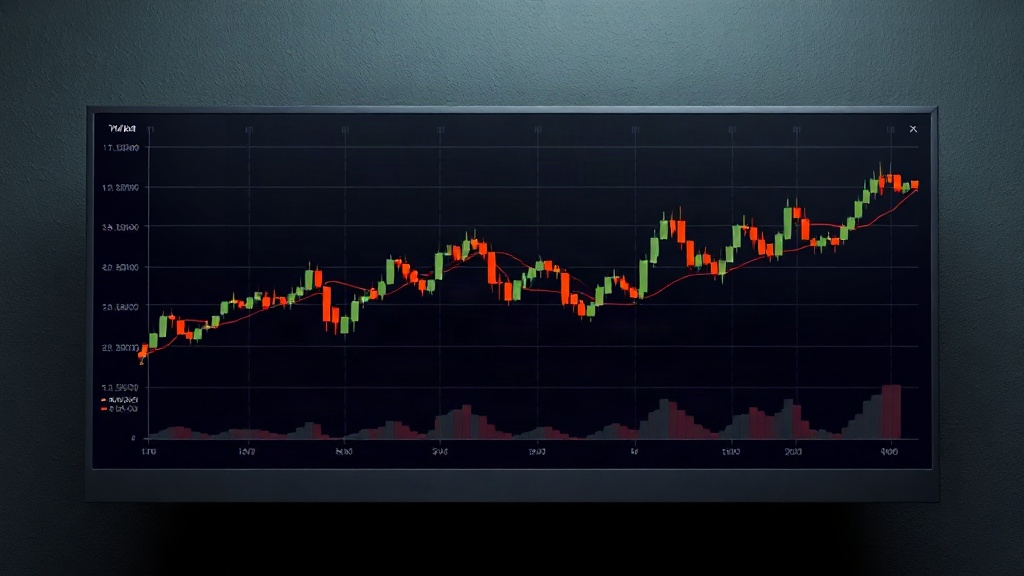
Trading Mechanism of XPD Precious Metal Perpetual Contracts
Across major mainstream crypto derivatives exchanges, "XPD" is sometimes also used as the ticker for Palladium USDT-margined perpetual contracts. This type of contract does not belong to an independent emerging cryptocurrency, but is rather a derivative financial instrument issued by platforms that anchors the price of traditional commodities. Each contract lot typically corresponds to a specific weight (such as 1 ounce) of the Palladium price index. The process of trading such XPD contracts is similar to ordinary cryptocurrency perpetual contracts: investors need to open an account on a centralized derivatives exchange and complete KYC verification, deposit mainstream stablecoins such as USDT into the account as margin, and then select the XPDUSDT perpetual contract in the derivatives trading interface. Traders can choose to go long (buy bullish) or short (sell bearish) based on market judgment, and independently select the leverage multiplier. It must be highlighted that derivatives trading comes with liquidation risks driven by high leverage, funding rate costs, and the overnight or macroeconomic volatility risks inherent to commodities themselves.
Because XPD as a crypto spot asset is a relatively obscure coin with high symbol ambiguity, current platforms offering it have not been able to automatically and fully verify it. Therefore, before choosing any centralized or decentralized platform for spot trading, investors should independently verify the platform's current real-time listing status and whether deposit and withdrawal channels are operating smoothly, and must never blindly rely on past static lists. At the same time, strict vigilance should be maintained against projects featuring Ponzi scheme characteristics, promises of exorbitant out-of-thin-air returns, or opaque custody packages to guard against the risks of liquidity exhaustion and assets going to zero.
Which Exchanges Have Listed XPD Coin?
Regarding the exchange distribution of XPD coin listings, it needs to be viewed separately according to its asset attributes. For spot crypto assets such as PetroDollar, they were historically listed by some veteran small and medium-sized exchanges (such as YoBit), providing basic trading pairs like XPD/BTC. In addition, major platforms such as HTX, Bitget, Crypto.com, and Coinbase have previously tracked data or provided price tracking for the token on their market overview pages or asset encyclopedias, but there is significant variance in the depth of actual open spot free trading, P2P, or direct fiat exchange gateways across platforms. Many exchange entries searchable on public aggregator platforms (such as CoinMarketCap, CoinLore) may have extremely thin actual liquidity, and some early-listed platforms (such as certain defunct institutions listed in directories) no longer exist. Therefore, early historical listings cannot be equated to currently available, safe deposit and withdrawal channels. As for the Palladium perpetual contract ticker (XPDUSDT), it is mainly distributed across top-tier crypto derivatives exchanges (such as Binance's futures zone) that offer macro commodity-tokenized derivatives. Exchange support changes dynamically with market and compliance policies, and investors must verify the latest asset listings and liquidity conditions through official channels prior to actual operation.









