Global Overview and Core Status of Tether
Tether (USDT) is a US dollar stablecoin launched by Tether in 2014, pegged at a 1:1 ratio. Backed by multi-chain deployment (such as Ethereum, TRON, Solana, etc.) and high liquidity, USDT has become the most core pricing, settlement, and hedging tool in the cryptocurrency market. With the popularization of blockchain technology, USDT not only plays a key role within crypto trading but also progressively penetrates real-world economic activities, making its globalization process an important window for observing the interaction between digital assets and traditional financial systems.
Grassroots Adoption and Macroeconomic Drivers in Emerging Markets
In emerging markets and developing countries such as Latin America, Africa, and parts of Asia, USDT has achieved widespread grassroots adoption. The core driver behind this phenomenon lies in local macroeconomic instability, such as hyperinflation, sharp depreciation of local currencies, and severe capital flight pressure. In countries like Argentina, Turkey, and Venezuela, ordinary citizens and low-income working groups often view USDT as a "safe haven" to substitute for their weak domestic fiat currencies, using it for savings or to maintain daily purchasing power. Furthermore, in regions where traditional banking systems have inadequate coverage or cross-border transfer costs are prohibitive, USDT has become a must-have cross-border remittance and micro-payment tool due to its fast transfer speeds and relatively low fees.
Strategic Applications in Geopolitics and International Trade
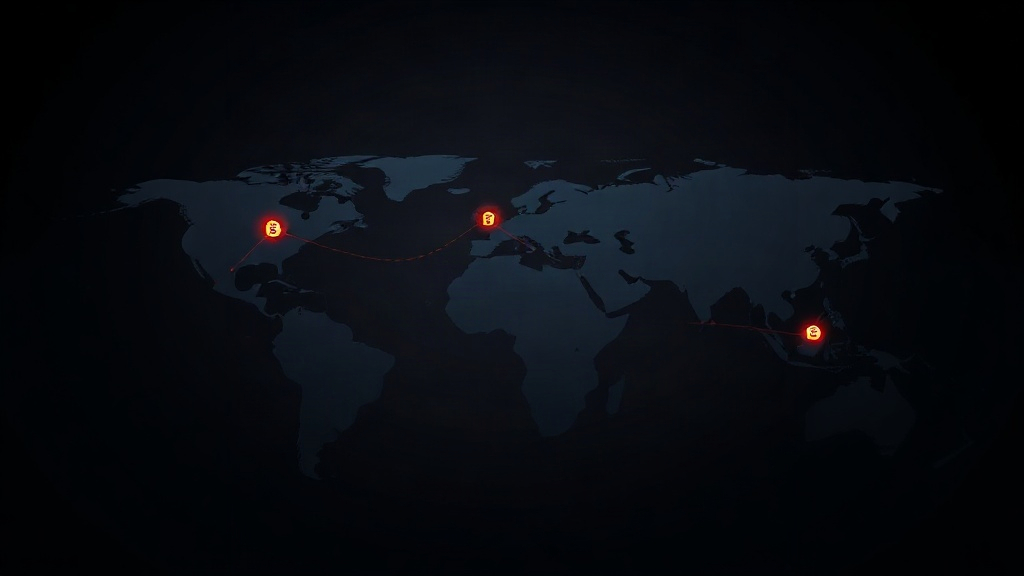
Beyond grassroots retail and savings demands, USDT has also demonstrated unique application scenarios in international trade and geopolitical dimensions. Certain countries or regions subject to sanctions and foreign exchange controls use USDT as an alternative cross-border settlement infrastructure when conducting import and export trade in bulk commodities (such as petroleum). By bypassing traditional Western financial intermediaries and the SWIFT payment system, some trade participants leverage stablecoins to complete transnational capital flows. While this application sustains the trade vitality of specific economies to a certain extent, it has also triggered high vigilance among international regulators regarding compliance loopholes and money laundering risks.
Strict Compliance and Regulatory Headwinds in Developed Economies
In stark contrast to the widespread enthusiasm in emerging markets, USDT has encountered severe regulatory headwinds in developed financial markets such as Europe and the United States. Taking the European Union as an example, with the full rollout of the Markets in Crypto-Assets Regulation (MiCA) and related stablecoin reserve and electronic money institution (EMI) licensing requirements, compliance thresholds have risen significantly. Due to challenges faced by Tether in acquiring an EMI license within the EU and complying with reserve structure regulations, major European crypto exchanges have widely delisted USDT trading pairs, turning instead to MiCA-compliant alternative stablecoins (such as USDC, EURC, etc.). Additionally, in jurisdictions such as Canada, Singapore, and the United States, platform service restrictions and compliance audits targeting retail users have also posed substantial obstacles to the popularization of USDT, fully reflecting mature financial markets' stringent requirements for asset transparency and anti-money laundering compliance.