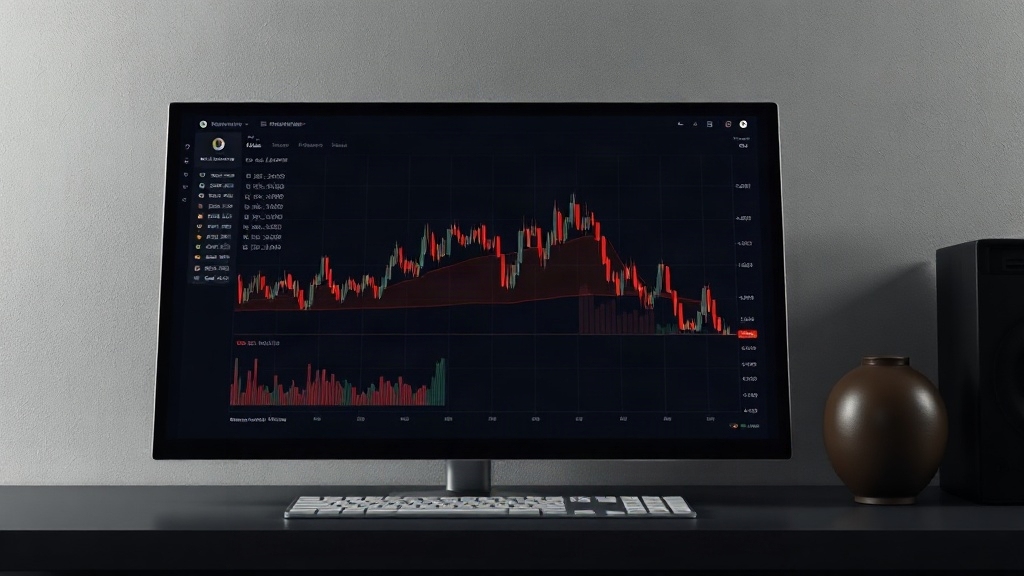
Background and Core Mechanism of FTT
FTT (FTX Token), as the native utility token of the now-bankrupt cryptocurrency exchange FTX, historically played a significant role in supporting its ecosystem. During its normal operations, FTT's core design aimed to incentivize user engagement on the platform, offering key benefits such as trading fee discounts, participation in Initial Exchange Offerings (IEOs), and use as collateral margin in specific derivatives trading. Additionally, FTX implemented a regular buyback and burn program, committing a portion of its platform trading fee revenue to repurchase FTT on the open market and permanently burn it, theoretically reducing the circulating supply and providing a deflationary support for the token price.
However, following the collapse and Chapter 11 bankruptcy filing of FTX in November 2022 due to a severe liquidity run and management scandals, all of these mechanisms have ceased to function. The original business support, fee dividends, and buyback-and-burn programs no longer exist, fundamentally altering FTT's value proposition. Relevant market data and trends can be checked and tracked on Svmuu.
Latest FTT News: 2026 Bankruptcy Liquidation and Market Dynamics
Entering 2026, FTT's fate remains closely tied to the bankruptcy settlement proceedings of the FTX Recovery Trust. According to public restructuring and liquidation progress, the trust continues to advance fund distribution plans for creditors—such as the large-scale payout window scheduled for mid-2026—while the liquidation team pursues legal avenues to claw back assets from certain affiliated entities and early beneficiaries to bolster the pool of distributable bankruptcy estate assets.
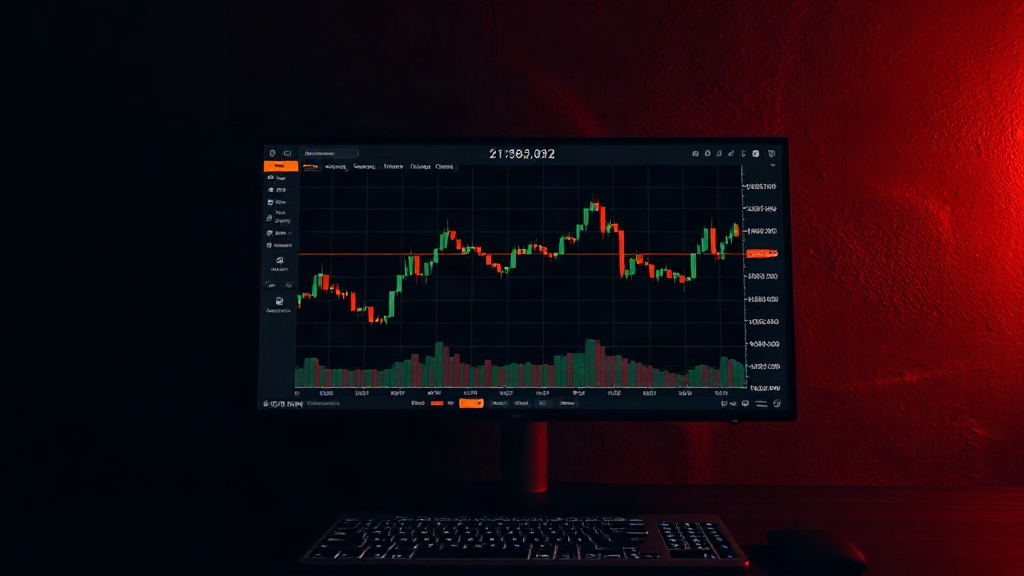
Regarding secondary market performance, as of November 2026, FTT prices have been fluctuating within the range of approximately $0.20 to $0.22. Due to the lack of actual business backing, current price volatility is entirely driven by legal milestones in the bankruptcy restructuring, creditor payout expectations, and speculative sentiment within the cryptocurrency market. Whenever judicial announcements regarding liquidation progress or asset distributions are released, they frequently trigger short-term capital attention and emotional price swings.
Is FTT Still Worth Investing in the Future? Risks and Investment Outlook Assessment
Addressing the core question of whether "FTT is worth investing in the future," from the perspective of rational asset allocation and fundamental analysis, FTT does not possess long-term investment value in the traditional sense. Its nature has shifted into a speculative liquidation-period asset that is highly dependent on news flow and legal ruling outcomes.
First, from the perspective of intrinsic value, FTT has lost the cash-flow-generating capacity of the exchange business, and its price no longer reflects the growth potential of any active commercial entity. Second, from a legal and compliance structure standpoint, in bankruptcy liquidation proceedings, the claims of platform token holders generally rank junior to general unsecured creditors and customer asset claimants, meaning the legal basis and protection for ordinary secondary market holders to receive actual recovery in the final bankruptcy distribution are extremely weak. Finally, due to severe price volatility and high susceptibility to market sentiment and short-term hype, blind participation carries an extremely high risk of total loss of principal. Investors facing such assets should remain highly cautious and avoid mistaking speculation for value investing.