Basic Information and Core Positioning of LIVE (Livepeer)
Livepeer (LPT) is a decentralized video streaming and computing infrastructure network built on blockchain technology. Its core mission is to provide a more cost-effective and censorship-resistant alternative for developers, video platforms, and applications requiring massive video transcoding and real-time computing power through a distributed architecture. Traditional video transcoding and distribution heavily rely on centralized cloud service providers, whereas Livepeer aggregates idle global computing resources through economic incentive mechanisms to form a massive distributed hashrate pool. Users and node operators can participate in network maintenance by staking LPT tokens, earning corresponding protocol rewards and transcoding fees.
In terms of technological evolution, Livepeer continues to drive the upgrade of its network architecture. For instance, the launch of Livepeer 2.0 introduced support for CPU nodes and API specialists, further expanding the network's general-purpose computing capabilities, extending its reach beyond traditional video transcoding into broader decentralized AI hashrate and real-time computing scenarios. Users can check and track relevant data and ecosystem progress in real time on market and news platforms such as Svmuu.
Recent Network Upgrades and Market Status Analysis
Entering mid-November 2026, Livepeer has ushered in a critical technological node transition period. According to official announcements and network planning, Livepeer officially introduced agent fees to the open network on November 15, 2026, and fully transitioned to the new node stack. With the implementation of the new architecture, the legacy software is also scheduled for formal archiving by the end of November 2026. For the entire ecosystem, whether node operators can smoothly complete the migration, alongside the actual generation scale and circulation efficiency of agent fees under the new mechanism, will be key variables determining whether network utility can translate into real economic value.

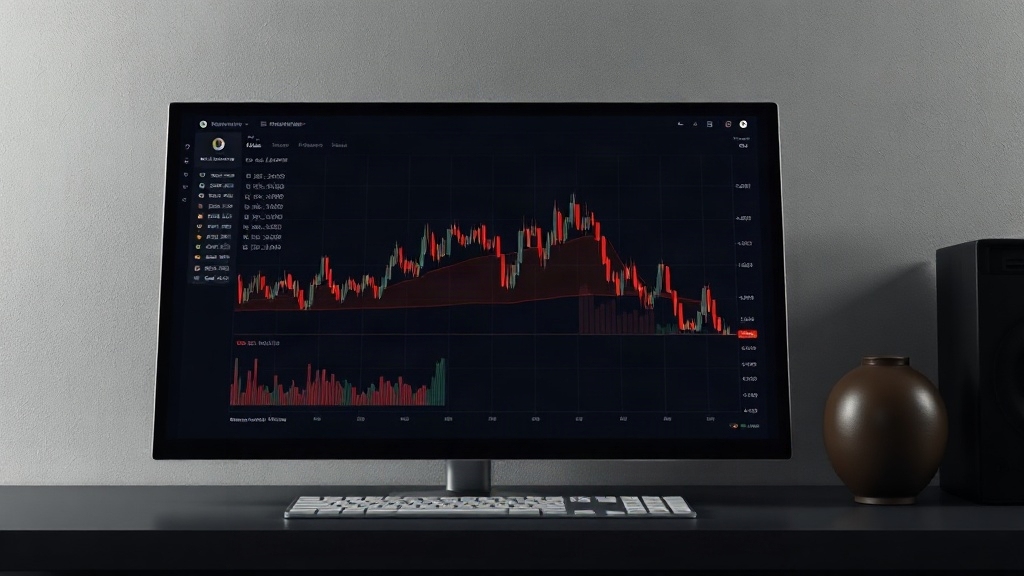
In terms of market performance and pricing, as of mid-November 2026, the price of LPT generally fluctuates between $1.08 and $1.13. Over the past 30 days, its price has declined by over 33%, reflecting an overall cautious and wait-and-see market sentiment, while the crypto market's overall Fear & Greed Index remains at a low level. The suppression of macro sentiment coupled with transitional uncertainties during the technology upgrade process has resulted in noticeable downward price pressure in the short term.
Future Prospects and Core Risks of LIVE
Looking ahead, Livepeer's future prospects depend on whether its actual business demand can achieve a dynamic balance with the expanded hashrate supply. The core logic driving bullish potential lies in the continuous growth of decentralized AI hashrate and real-time video transcoding demand. If its real-time computing network (compute adoption) can attract genuine commercial clients and continuous paid usage, token utility—including staking security, fee capture, and ecosystem rewards—will be significantly enhanced, thereby providing support for long-term value.
However, investors must also clearly recognize the potential risks and challenges. With the significant increase in hashrate supply brought by upgrades such as Livepeer 2.0, if actual business revenue, transcoding unit prices, and token consumption rates fail to keep pace synchronously, the continuous inflationary supply pressure and lower unit earnings may continue to exert a suppressing effect on the token price. When participating in or monitoring this asset, investors are advised to combine fundamental progress with a rational evaluation of the actual results of technological implementation and market volatility risks.