Current Exchange Listing Status of DCNTR Coin
Decentrahub Coin (referred to as DCNTR Coin), as a digital asset in the crypto market, has a distribution across major trading channels that differs from conventional high-liquidity tokens. According to current market aggregators and public market information, DCNTR Coin has not yet been listed on major centralized exchanges (CEXs). This means users cannot directly buy or sell it for spot trading using fiat currency or mainstream cryptocurrencies on traditional large-scale centralized platforms such as Binance or OKX.
Due to the lack of widespread adoption by mainstream centralized platforms, the centralized liquidity support for this token is relatively limited. On some market tracking websites, its 24-hour trading volume and total market capitalization often show no active quotes or exist in a state of extremely low liquidity. This current status results in a price discovery mechanism that differs significantly from popular mainstream tokens, and investors need to pay attention to data transparency and the potential risks of liquidity exhaustion when evaluating its market performance.
On-Chain Buying, Selling, and Trading Methods for DCNTR Coin
Since DCNTR Coin is not listed on major centralized exchanges, investors wishing to trade or convert assets typically need to rely on decentralized infrastructure. At this stage, the primary way to acquire or process this asset is through the built-in on-chain Swap function of Web3 self-custody wallets that support the corresponding mainnet (such as compatible tools like Bitget Wallet).
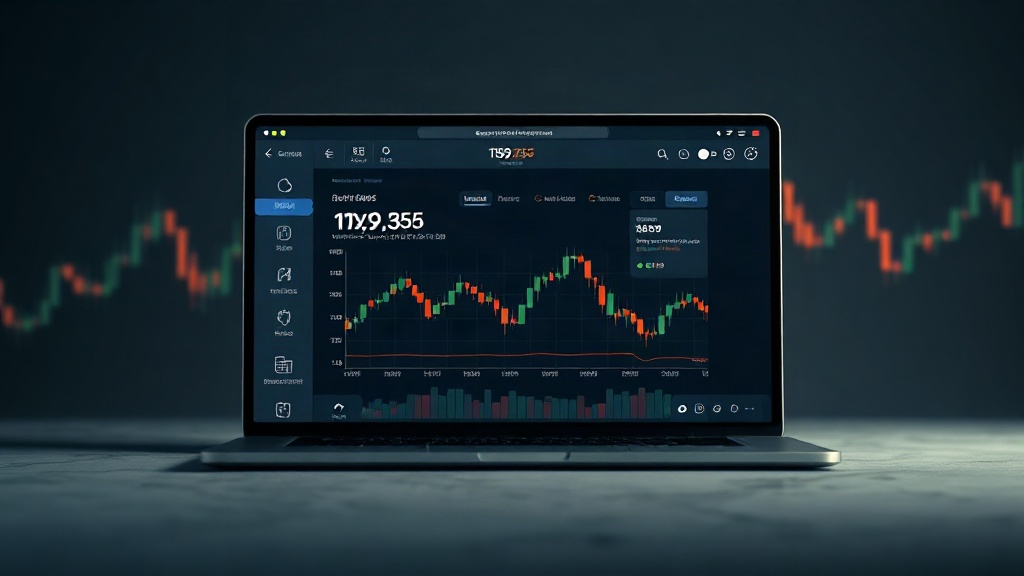
In the operational mechanism of on-chain swaps, users do not trade through traditional order books, but instead interact directly with decentralized liquidity pools or smart contracts. Specifically, users need to first prepare the native asset of the corresponding network in their wallet (such as tokens used to pay Gas fees), connect the wallet to a decentralized trading protocol or use the wallet's built-in swap aggregation function, enter the contract address to search, and complete the token exchange.
Operational Prerequisites and Core Limitations of On-Chain Trading
Although on-chain swapping via a Web3 wallet bypasses the listing threshold of centralized exchanges, it also comes with strict technical prerequisites and risk limitations. First, users must independently verify the official smart contract address of DCNTR Coin to prevent asset loss caused by tokens with the same name or phishing fake coins. Second, due to the often insufficient on-chain depth of obscure tokens, large-scale buying and selling can easily generate high slippage, or even face the dilemma of failing to execute due to a lack of counterparties.
In addition, every interaction on the blockchain consumes network transaction fees (Gas Fees). During periods of network congestion, fee costs may exceed the value of the transaction itself. As this coin is relatively obscure and verifiable information is limited, some data in this article may have discrepancies and is for reference only. Investors should fully assess their own risk tolerance before participating in any on-chain swap, and avoid blindly chasing highs or investing funds they cannot afford to lose.