Project Positioning and Core Evolution of Assemble AI (ASM)
Assemble AI (ASM) initially entered the market as a global rewards integration platform built on the Ethereum blockchain (ERC-20 standard). Its original intent was to address the pain points of fragmentation, inconvenience of use, and severely limited redemption value inherent in traditional consumer loyalty points. In conventional loyalty systems, various retail, e-commerce, entertainment, and travel merchants tend to operate in silos, making it difficult for users to efficiently circulate the scattered points accumulated across different platforms. The core mechanism initially designed by Assemble AI was to transform these dispersed points into aggregatable and manageable digital assets via decentralized ledgers and smart contracts, enabling users to manage cross-industry integration and monetization on a single platform.
With the evolution of industry technology and adjustments to project strategy, the project later and currently incorporated the field of artificial intelligence (AI), launching a Web3 news and market analysis agent platform powered by AI reasoning capabilities (such as ecosystem tools like News3). This agent platform leverages core engines of reasoning models such as OpenAI to provide users with market sentiment monitoring and trend analysis. This cross-sector transition from a single rewards interoperability tool to an "AI-driven data and analytics ecosystem" has endowed the project with more complex application scenarios, while also increasing the uncertainty of its technological implementation.
Tokenomics and Core Utility of the ASM Token
Within the entire ecosystem of Assemble AI, the ASM token plays the role of a core utility and staking token. Its tokenomic model is designed to run through various value exchanges both inside and outside the platform, with key use cases including: first, acting as a medium for paying various transaction fees within the platform; second, allowing holders to participate in platform governance to voice opinions on ecosystem parameter adjustments or development directions; third, serving as a staking asset, where users can unlock specific rights or advanced features within the platform by staking ASM; and fourth, acting as an intermediary bridge for rewards conversion and monetization, connecting traditional commercial rewards with the digital asset market.
Furthermore, in the ecosystem combining AI news and market agents, the ASM token is also designed as a utility asset supporting reward and incentive structures. Through this mechanism, active contributors or data providers can receive token rewards, thereby enhancing user engagement and data-driven decision distribution. However, such utility heavily depends on the actual business activity and real user scale of the platform. If actual demand within the ecosystem fails to support the token consumption and lock-up models, the token's economic cycle is prone to pressures of supply-demand imbalance.
Current Investment Risks and Market Performance of ASM
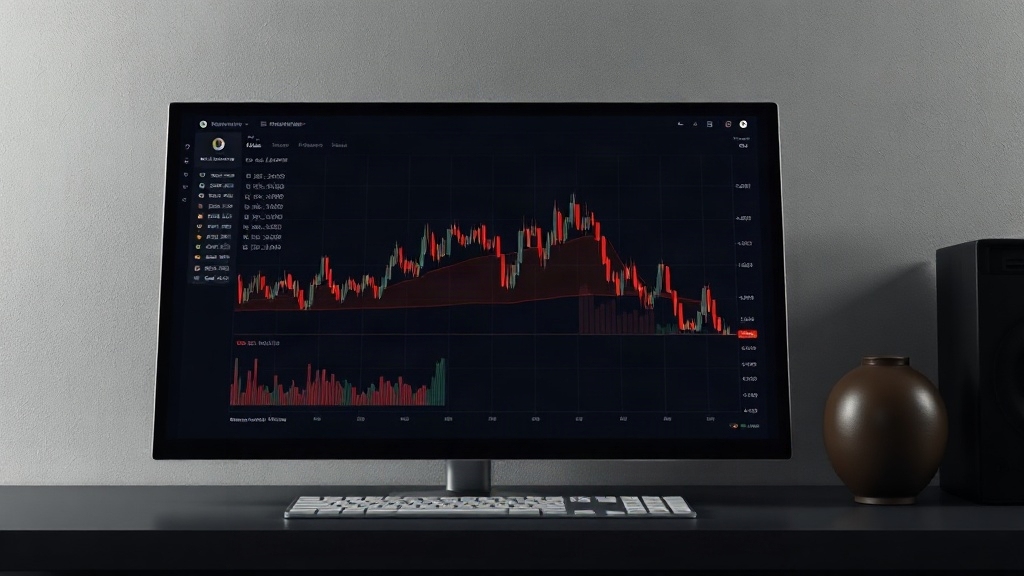
From the perspective of market performance and liquidity, ASM belongs to typical small-to-mid-cap digital assets, with a relatively low circulating market capitalization (around several million US dollars). According to data from mainstream market data and technical analysis platforms (such as Kraken, Investing.com, and Coinbase), ASM has exhibited severe volatility in its historical price performance, recording significant drawdowns from its all-time highs (typically exceeding 85%). This characteristic implies that its underlying market depth is relatively limited, and even moderately large buy or sell orders can trigger significant price fluctuations.
At the level of technical indicators and market sentiment, some short-term moving averages and oscillators often present bearish technical signals when the broader market is under pressure or lacking incremental capital. When evaluating this asset, investors need to be highly vigilant against several core risks: first, extremely high liquidity risk, as low-cap assets may face difficulties in quickly liquidating at expected prices when market sentiment turns cautious or extremely fearful; second, execution risk arising from the project's broad strategic span, as combining rewards integration with AI agents requires sustained technological investment and business development capabilities, and any progress falling short of expectations could directly weaken the token's intrinsic support; third, the systematic downside pressure brought to altcoins by external macro and overall crypto market volatility. For any potential participant, when evaluating the investment value of ASM, it is essential to fully recognize its high-volatility and high-uncertainty nature, and make prudent judgments based on one's own risk tolerance.