Project Positioning and Basic Mechanism of SPG Coin
SPG coin (Space Genesis Token) is the core governance token of the blockchain space metaverse Space Crypto project. Within the project's dual-token economic model, SPG primarily serves functions such as governance, marketplace trading, spaceship fusion, and staking rewards, while the other token, SPE, mainly circulates as a high-frequency in-game reward token. By separating governance rights from in-game output tokens, the project was initially designed to balance inflation with long-term community autonomy. Related market trends and project fundamentals can be queried and verified on platforms such as Svmuu.
Market Performance and Current Liquidity Status of SPG Coin
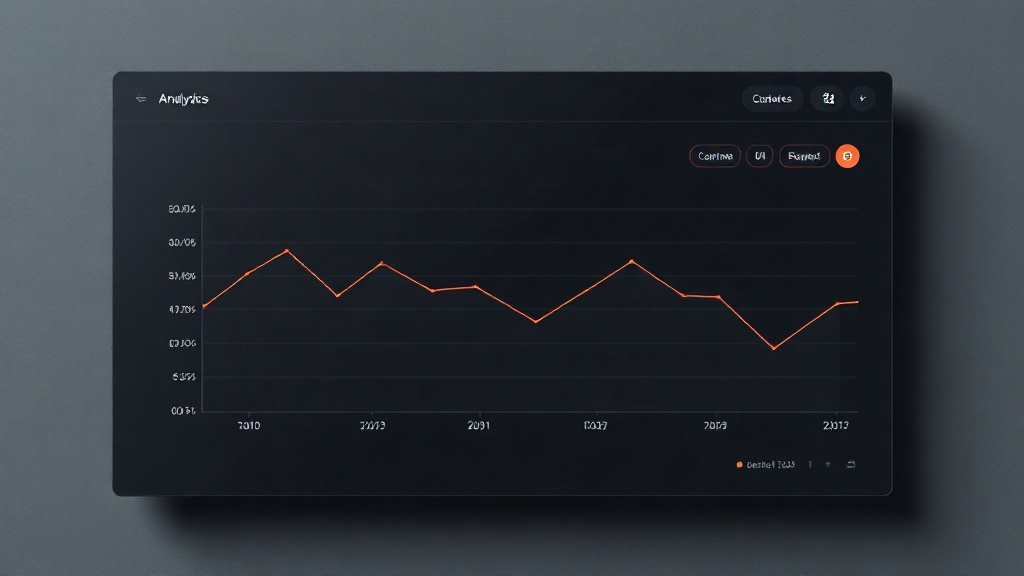
In terms of market circulation and price performance, the maximum supply of SPG tokens is capped at 1 billion. However, driven by the rapid shifts in overall sentiment within the early blockchain game sector, the asset's performance across major public markets has experienced drastic volatility. Most mainstream crypto data aggregators show that its current price has long hovered near extremely low ranges, with some historical trading pairs and liquidity pools exhibiting clear signs of depletion. Due to a lack of sustained buy-side support and active on-chain interactions, both its trading depth and market attention remain at low levels.
Future Outlook and Potential Risk Analysis of SPG Coin
Looking ahead, SPG faces multiple severe challenges. First, the blockchain gaming sector as a whole is undergoing a cyclical downturn, with significant declines in player retention and capital inflows, which directly impacts the demand for tokens built around the gaming ecosystem. Second, the project team has lacked transparent and consistent disclosures in recent years regarding core development progress, team updates, and ecosystem expansion, leaving its fundamentals relatively weak. Overall, SPG is a high-risk, highly speculative crypto asset, and investors examining such niche tokens must remain highly vigilant against the practical risks posed by insufficient liquidity and shrinking market demand.