Positioning and Operating Mechanism of the Unicly Protocol and UNIC Token
Unicly is a decentralized protocol built on the Ethereum ecosystem, focusing primarily on NFT (Non-Fungible Token) composition, fractionalization, and the trading of related assets. In traditional NFT markets, individual blue-chip NFTs are often prohibitively expensive, resulting in extremely poor market liquidity and making it difficult for retail investors to participate. Unicly breaks this capital barrier by allowing users to bundle individual or groups of NFTs into smart contracts, minting and dividing them into fungible ERC-20 standard tokens (commonly referred to as uTokens). This mechanism enables NFTs to be fractionally traded just like regular cryptocurrencies, integrated into liquidity pools (AMM DEXs), or even used for staking and yield farming.
As the core governance token of the ecosystem, the UNIC token serves multiple functions. Holders can participate in decentralized platform governance by staking UNIC, voting on protocol upgrades, fee structures, and the NFT collections supported by the platform. Additionally, staking UNIC allows users to share a portion of the trading fee revenue generated by the platform. This design is intended to deeply align community interests with the protocol's development through tokenomics, thereby boosting activity across the entire NFT fractionalization ecosystem.
Price Performance and Market Status of UNIC
Looking at its historical price trajectory, UNIC has experienced the dramatic boom-and-bust cycles of both the broader crypto market and the NFT sector. During the early NFT market frenzy, driven by strong market enthusiasm for the innovative model of NFT fractionalization, UNIC's all-time high (ATH) reached approximately $918.44. However, as crypto market cycles shifted and the hype around the NFT sector rapidly faded, the project's on-chain activity suffered a precipitous decline.
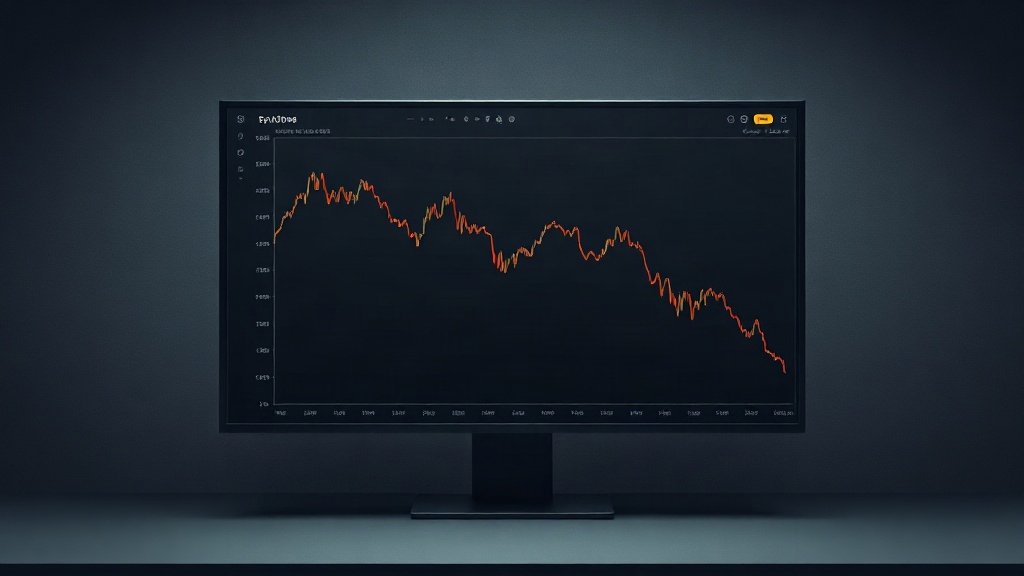
According to records from major mainstream crypto data tracking platforms, UNIC's current price has dropped by over 99% across most tracking sources, currently fluctuating within the range of $0.47 to $0.80, and its overall circulating market capitalization has shrunk severely to the hundreds of thousands of dollars range. As this token is relatively obscure with limited verifiable data, some figures in this article may contain discrepancies and are for reference only. It is worth noting that in everyday discussions within the Chinese crypto community, some investors often confuse "UNIC" with "UNI," the token of Uniswap, a leading decentralized exchange. As the governance token of a top-tier DEX, UNI's market cap and ecosystem scale far exceed those of UNIC. Strictly speaking, UNIC corresponds to the NFT fractionalization protocol Unicly, and the underlying assets and market status of the two are worlds apart.
Is UNIC Worth a Long-Term Investment?
Evaluating whether UNIC is worthy of a long-term investment requires a prudent view of the profound risks and limitations it faces, given current macroeconomic market conditions and protocol fundamentals. First, the long-term demand for the token depends heavily on a full recovery of the NFT fractionalization ecosystem. In the current market environment, trading volume in the NFT sector has contracted overall, and the fractionalization track faces fierce competition from more efficient liquidity solutions; consequently, the Unicly protocol's own Total Value Locked (TVL) and trading volume remain at extremely low levels.
Second, UNIC faces exceptionally high obscurity and liquidity exhaustion risks. Due to a lack of sustained buying support and active community governance participation, its low circulating market capitalization and extremely poor market depth mean that large trades can easily trigger drastic price slippage. The platforms currently listing this token have not been automatically verified; if acquisition is being considered, trades can only be conducted on the few platforms that still support the asset, and users must independently verify the actual listing and liquidity status before trading, avoiding blind participation. Overall, the UNIC token currently leans closer to a highly speculative, illiquid high-risk asset lacking traditional sound long-term investment value, and investors should maintain high vigilance and exercise strict risk control.